Politics news and discussion on TalkFuse.
Indonesia charges ex-police chief with treason aimed at undermining president
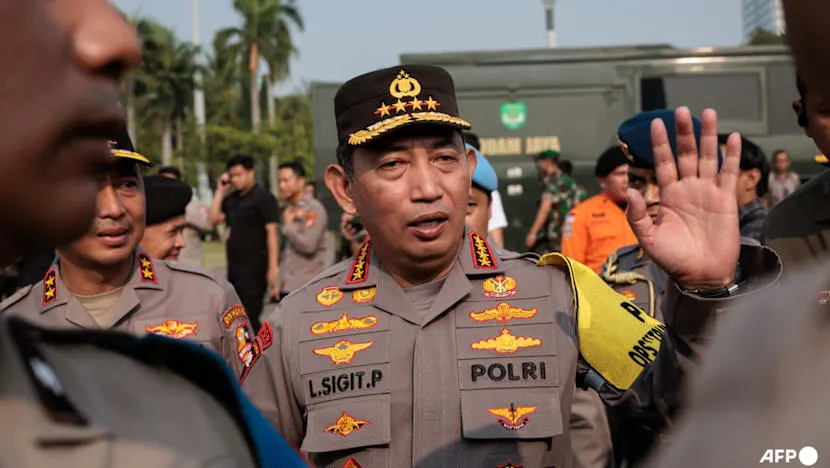
Indonesian police have charged former police chief Listyo Sigit Prabowo and five others with treason, alleging they sought to undermine public trust in President Prabowo Subianto’s government. The case grew out of an investigation into alleged illegal phone tapping and could intensify speculation about tensions between the president and his predecessor, Joko Widodo, whom Listyo is considered an ally of.
Police say Listyo ordered and received wiretap reports concerning the president, officials, activists and journalists. Investigators allege the group also sought to exploit mass demonstrations, including by mobilising protests and creating social media content critical of the police; authorities seized 20 One Piece flags. Treason charges are rare in Indonesia and can carry the death penalty, while two suspects have already been dismissed from the police.
In short
- Former police chief Listyo faces treason charges with five others.
- Police allege the group aimed to erode trust in the president.
- The charges carry a maximum penalty of death.
Steelman: both sides, in good faith
The strongest fair case each way — we don't pick a winner.
The case for
A government can argue that alleged unlawful surveillance of senior officials and coordinated efforts to inflame demonstrations pose serious threats to public safety and constitutional order. If the evidence shows the group used police access or organised unrest to destabilise the government, treason charges could be a legitimate response, provided the case is tested fairly in court.
The case against
Critics can argue that treason is an exceptionally grave charge, especially when the alleged conduct includes criticism of the police, protest mobilisation and social media content, which may be protected political activity. Because the case involves a former police chief linked to the president’s predecessor and carries the possibility of the death penalty, it risks appearing politically motivated and could deter dissent unless the authorities provide clear evidence and due process.