World news and discussion on TalkFuse.
Indonesia names fourth senior police officer as wiretapping suspect amid deepening political rifts
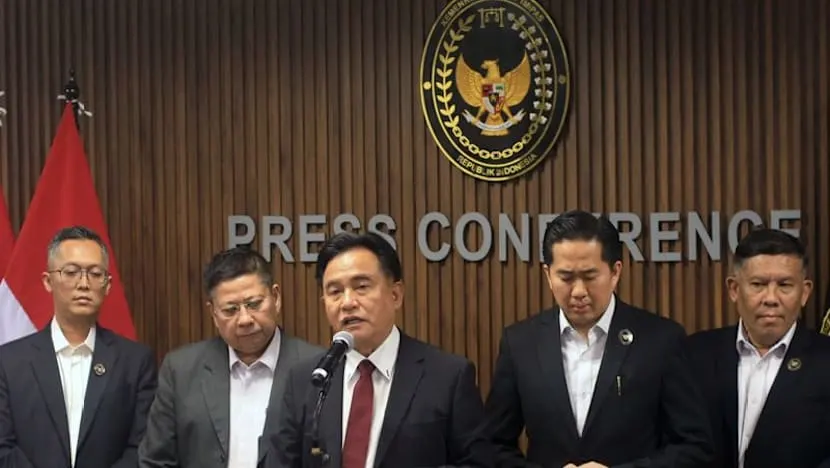
Indonesian police have named a fourth senior officer as a suspect in an alleged attempt to wiretap President Prabowo Subianto. The case matters because the investigation is exposing tensions between Prabowo and his predecessor, Joko Widodo, whose ally is among those arrested.
The officer, identified in local media as Slamet Uliandi, is accused of approving the interception and the deletion of its records; police say he has not been detained because of a health condition. Three officers were arrested earlier, including former police chief Listyo Sigit Prabowo, and investigators have questioned 13 police officers and five criminal and IT experts. Jakarta remained calm despite a deployment of thousands of troops, while lawmakers consider examining Vice-President Gibran Rakabuming Raka’s eligibility.
In short
- A fourth senior police officer is a suspect in the wiretapping case.
- Police allege he approved the interception and deletion of records.
- The scandal is unfolding amid political tensions between Prabowo and Widodo.
Steelman: both sides, in good faith
The strongest fair case each way — we don't pick a winner.
The case for
A thorough investigation is justified because an alleged attempt to intercept the president’s communications, and delete the records, could undermine privacy, the rule of law and confidence in public institutions. Naming senior officers as suspects and examining the evidence may show that no one is above scrutiny, while clarifying whether political relationships played any part.
The case against
The accusations remain allegations, and a large investigation involving senior officials could be seen as politically charged, particularly amid tensions between Prabowo and Widodo’s camp. Critics may argue that investigators should establish the facts through transparent procedures, protect the rights of those accused and avoid allowing the case or Gibran’s eligibility debate to deepen political divisions before the evidence is clear.