aTwist launches vertical microseries platform in eight markets
Developed over time first seen 2 months ago
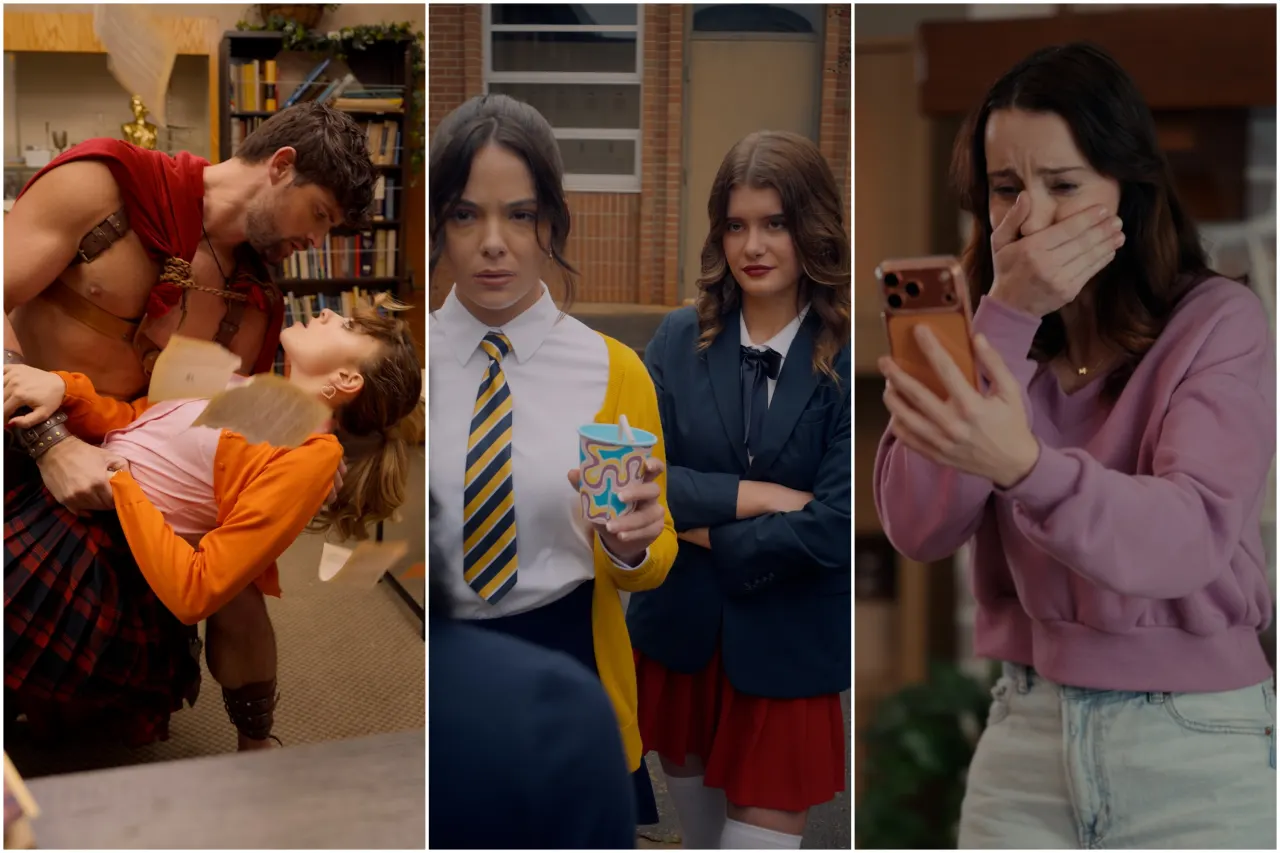
aTwist, a new vertical-video microseries platform founded by television veterans Jana Winograde, Susan Rovner and Lloyd Braun, has launched in eight markets with an initial slate of scripted, unscripted and animated original series. The venture positions itself as a distinct entrant in the fast-growing mobile-first streaming space, betting that tightly paced, cliffhanger-driven storytelling can hook audiences accustomed to short-form vertical video, with the founders emphasising narrative structure and pacing as central to its appeal across genres.
The service is available in Australia, Canada, India, Ireland, New Zealand, the Philippines, the UK and the US via aTwist.com and dedicated apps, with new instalments released weekly on Thursdays; viewers can watch ad-supported for free or unlock full seasons through coin purchases or a subscription. The launch slate spans genres including horror, romance, comedy and drama, featuring producer Bradley Bell of "The Bold and the Beautiful" and partnerships with BET and Kevin Hart's Hartbeat, alongside titles such as "Buried Alive, Back For Revenge," "Hollywood Starlet," "My Billionaire Kidney" and "I Swiped Right on a Serial Killer."
- Sources
- 2
- Outlets
- 2
- Left · Centre · Right
- 0 · 0 · 0
In short
- aTwist, a new vertical microseries platform, has launched in eight countries.
- Founded by TV veterans Jana Winograde, Susan Rovner and Lloyd Braun.
- Free ad-supported viewing or paid coins/subscription for full seasons.
How this story developed
- 2 months ago Further detail emerged on aTwist's business model, revealing a weekly Thursday release schedule for microseries alongside a free ad-supported tier and paid unlocking via in-app coins or subscription, plus specifics on its eight live markets and title lineup, including contributions from Bradley Bell and partners BET and Hartbeat.
- 2 months ago aTwist, a vertical-video streaming platform from television veterans Jana Winograde, Susan Rovner and Lloyd Braun, launched on Thursday across the US and seven other countries with an opening slate of scripted, comedy, horror, unscripted and animated series aimed at bringing Hollywood-calibre production values to mobile-first viewing.
Full account
A new streaming platform dedicated to short, vertically filmed "microdrama" series has launched in eight countries, including the United States and the United Kingdom, as three veteran television executives seek to bring a Hollywood sensibility to a fast-growing but largely low-budget format. aTwist, founded by Jana Winograde, Susan Rovner and Lloyd Braun, went live on a Thursday with ten original titles spanning scripted drama, unscripted reality, comedy, horror and animation, alongside an accompanying app available across major stores. Episodes are released weekly, also on Thursdays, with viewers able to watch some instalments free in exchange for sitting through adverts, or unlock full seasons either through a subscription or by purchasing a virtual currency described as "coins".
The venture brings together three prominent industry figures: Winograde, a former president of Showtime, now serves as chief executive; Rovner, who previously chaired entertainment content at NBCUniversal Television and Streaming, is chief creative officer; and Braun, the former chairman of talent agency WME, completes the founding trio. The company was originally announced in 2025 under the working name MicroCo before rebranding ahead of launch. It has since struck a creative partnership with Kevin Hart's production company Hartbeat, which will supply its microseries catalogue to the platform, as well as a deal with broadcaster BET to develop and distribute microdramas across both linear television and digital channels.
aTwist's opening slate leans deliberately eclectic at a time when romance narratives dominate rival vertical-video platforms. Titles include Cash Out, an unscripted series following a woman recovering from a break-up who is given $50,000 to spend in Las Vegas with two friends; a revenge thriller called Buried Alive, Back for Revenge, about a blind heiress who claws her way out of a grave after being betrayed by her husband and best friend; and a dating-app thriller, I Swiped Right on a Serial Killer. Horror is represented by Something Is Alive in My Attic and Strangers, A Plane and a Deadly Game, while animation features in the fantasy romance I Fell in Love with a Dragon Prince. Soap veteran Bradley Bell, an executive producer and head writer on The Bold and the Beautiful, has created Hollywood Starlet, about a cleaner whose acting talent catches the eye of a famous actor, filmed on the sets and backlot used by his long-running daytime drama. Jonathan Stern of Abominable Pictures has meanwhile produced a self-aware spoof of the genre, My Billionaire Kidney, in which a put-upon heroine becomes the target of powerful men after her organ.
The two trade publications covering the launch placed emphasis on different aspects of the story. One report highlighted the breadth of genres as a deliberate departure from the romance-heavy norm of vertical platforms and detailed an additional advertising partnership with cinema network National CineMedia to promote aTwist's series in theatres, alongside background on the company's rebrand from MicroCo. The other carried direct comments from Winograde and Rovner about the platform's ambitions and creative approach, named all eight launch territories explicitly — the US, UK, Ireland, Canada, Australia, New Zealand, India and the Philippines — and provided fuller casting details and loglines for several titles, including a reference by Rovner to a forthcoming musical among the platform's output.
Where outlets differ
From the full account, which is AI-written from the sources:
The Hollywood Reporter-style account frames the launch around aTwist's genre diversity versus rivals' romance focus, and is the only one to mention the National CineMedia cinema-advertising deal and the company's earlier name, MicroCo.
The Variety-style account includes direct quotes from CEO Jana Winograde and CCO Susan Rovner, explicitly lists all eight launch countries, and gives more detailed cast lists and loglines for individual titles, including mention of an upcoming musical.
Only one source names Jonathan Stern and his spoof series My Billionaire Kidney, while only the other lists specific cast members for titles such as Buried Alive, Back for Revenge and I Fell in Love with a Dragon Prince.
Steelman: both sides, in good faith
The strongest fair case each way — we don't pick a winner.
The case for
Advocates for aTwist's model would argue that vertical microseries meet audiences where they already are, on mobile phones during short pockets of downtime, and that pairing free ad-supported viewing with optional coins or subscriptions gives consumers genuine choice rather than a paywall. They would point to the involvement of experienced producers and established partners such as BET and Hartbeat as evidence that short-form video can be made with the same craft and narrative ambition as traditional television, expanding creative opportunities and giving viewers more variety across genres. Bringing this to eight markets at once, they might add, reflects confidence that appetite for bite-sized, serialised storytelling is a genuine global shift in viewing habits, not a passing trend.
The case against
Sceptics of the vertical microseries model would argue that formats built around coins, drip-fed episodes and mobile-first pacing prioritise monetisation mechanics and habitual engagement over storytelling quality, echoing concerns previously raised about mobile gaming's use of similar incentive structures. They might question whether titles with sensational names are being packaged more for algorithmic hook and impulse spending than for lasting creative merit, and worry that launching simultaneously across eight diverse markets, including India, risks a one-size-fits-all approach that overlooks local viewing cultures and regulatory or cultural sensitivities. For these critics, the involvement of veteran producers does not resolve the underlying question of whether this format serves audiences' interests or primarily serves a new revenue mechanism dressed in familiar creative credibility.
Explained simply
aTwist is a new streaming service built specifically for short, vertically shot episodes designed to be watched on a phone, similar in format to a social media feed rather than a traditional TV app. It has been created by three well-known television industry executives, Jana Winograde, Susan Rovner and Lloyd Braun, who between them have backgrounds running major US networks and studios. Their aim is to bring more polished, higher-budget production values to a style of short-form video that has so far been dominated by lower-cost apps.
The platform sits within a wider trend of "microdrama" or vertical-video services, which have grown rapidly, particularly in Asia and the US, by offering bite-sized scripted stories funded through a mix of advertising, one-off in-app purchases and subscriptions. aTwist is entering this space with a broad slate of genres, from horror and romance to comedy and animation, and has struck deals with established names such as producer Bradley Bell and Kevin Hart's production company Hartbeat, alongside the network BET.
Its significance lies in what it suggests about where television experience and money are heading: established industry figures betting that audiences, especially younger and mobile-first viewers, want scripted entertainment built around short attention spans rather than hour-long episodes. Launching simultaneously across eight countries, including the UK, US, Canada, Australia and India, signals an attempt to establish an international audience quickly rather than growing market by market.
Coverage · 2 sources
Business Companies Entertainment Film Geopolitics Horror Politics Software Technology TV