Infantino tells Fifa critics to ‘meditate, pray or watch football’
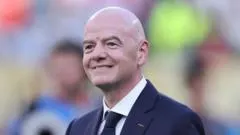
Fifa president Gianni Infantino has hit back at critics of his leadership and of the 2026 World Cup, telling detractors to "meditate, pray or watch a football match" rather than "spread hate and false rumours". The remarks, posted across 15 slides on his personal Instagram account and reposted to Fifa's eight million followers, defend the tournament as the "greatest event on earth" and dismiss concerns about safety, officiating and political interference that have dogged the competition.
Infantino praised the participation of Iran, saying Fifa had "worked tirelessly to unite two countries at war" and that the team entered the United States "without incident" — a claim contradicted by Iran head coach Amir Ghalenoei, who described his side as the "most oppressed" at the tournament, and by reported visa delays, denied entry for staff, and a forced relocation of Iran's training base. He also defended the tournament's record on safety and officiating despite ongoing Fifa investigations into an altercation involving Argentina after the final, alleged racist abuse of influencer IShowSpeed, and controversy over the suspension of USA forward Folarin Balogun's ban following intervention by President Donald Trump, who was awarded the Fifa Peace Prize in December.
- Infantino tells World Cup critics to "meditate, pray or watch football"
- He hailed Iran's tournament involvement despite reported visa and travel issues
- Row continues over Balogun ban reversal and other Fifa controversies
New here? Start with this
Gianni Infantino has been the president of Fifa, the sport's governing body, since 2016. Fifa oversees international football competitions, including the World Cup, which is held every four years and is the sport's biggest tournament. As president, Infantino sets the direction for how one of the world's biggest sporting organisations operates.
The 2026 World Cup has faced various criticisms, including concerns about safety at venues, the quality of refereeing, and how Fifa handles incidents involving players and officials. Questions have also been raised about political influence on Fifa's decisions. These issues have accumulated over recent tournaments and are topics of ongoing debate within football.
Public criticism of Fifa and its leadership is significant because the organisation oversees the sport's biggest event and makes decisions that affect nations, players, and millions of fans. How Infantino and Fifa respond to criticism shapes the organisation's reputation and future policies. These disputes reveal broader questions about how international football should be governed.
Both sides, in good faith
The strongest fair case each way — we don't pick a winner.
The case for
A defender of Infantino might argue that the 2026 World Cup represents a genuine achievement in bringing together nations through sport, and that whilst no major tournament is free from isolated incidents, focusing on cherry-picked controversies obscures the overall success. From this view, constant bad-faith criticism erodes sport's unifying purpose, and Infantino's frustration reflects a reasonable position that some critics seem ideologically opposed to Fifa regardless of actual outcomes.
The case against
A critic would contend that Infantino's response exemplifies institutional evasion when confronted with substantive concerns deserving serious engagement. Rather than addressing specific allegations—visa delays for Iran's staff, racist abuse, controversial suspensions—his dismissal conflates legitimate accountability with bad faith and undermines the transparency expected of sports governance. Leadership's duty is to engage seriously with documented problems, not deflect through tone-policing critics.