World news and discussion on TalkFuse.
Infrared tech is decades old – why does almost every TV remote use it?
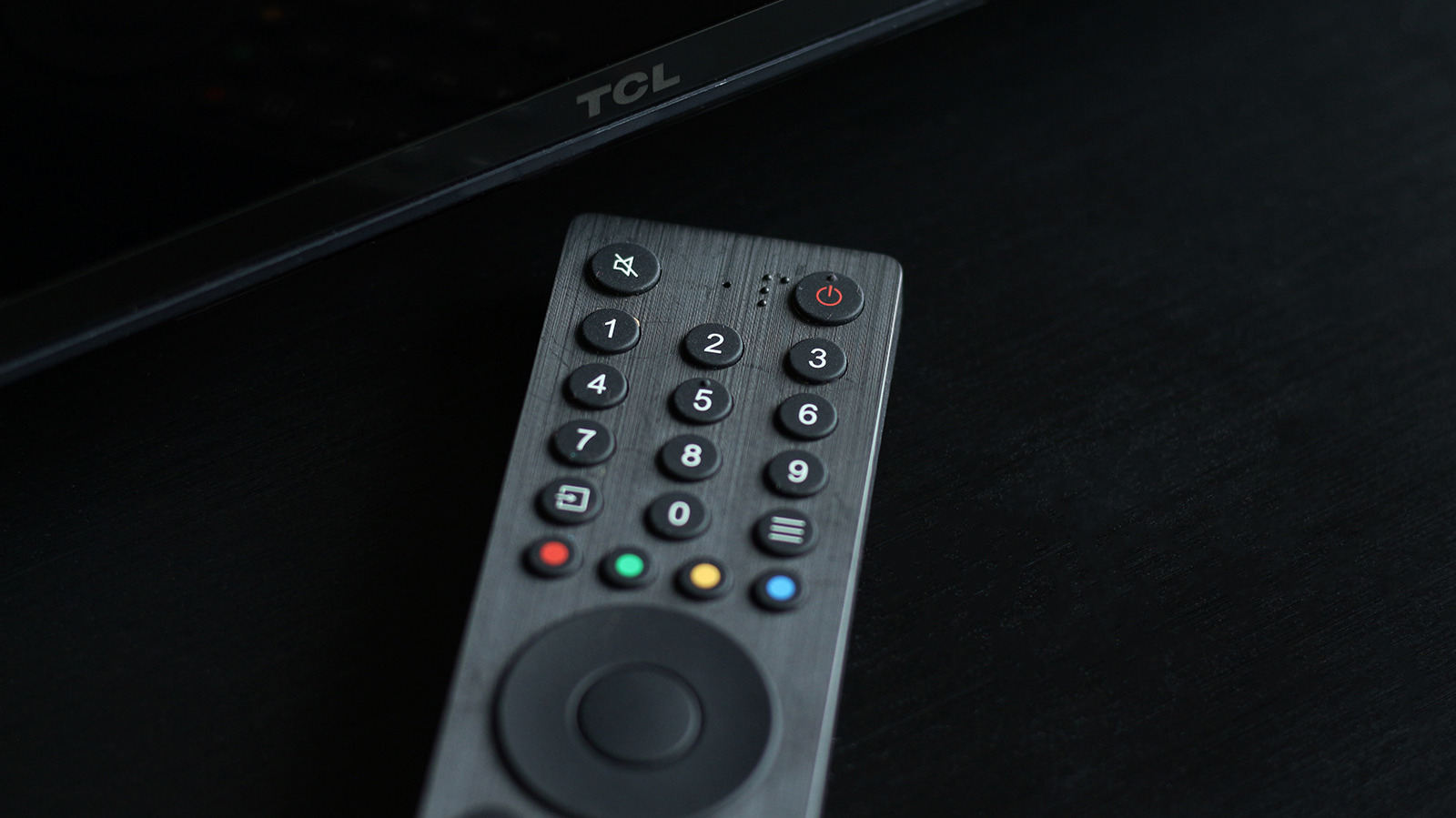
Almost every TV remote still uses infrared (IR) technology, even though it dates back decades, because it is cheap, reliable and universally compatible with the vast base of existing TVs and entertainment equipment. Many modern remotes now pair Bluetooth with infrared rather than replacing it, since each has strengths the other lacks, meaning a full switch to Bluetooth alone would create more problems than it solves.
Infrared remotes work by sending pulses of invisible light via an LED to a receiver on the television, a system that became the industry standard by the 1980s after earlier efforts like Zenith's wired 1950 "Lazy Bones" and the light-based 1955 "Flash-Matic". Bluetooth remotes offer newer features such as voice control and air gestures and do not require a direct line of sight, but they still rely on infrared for key tasks like initial pairing and turning the TV on or off from standby, as the author confirmed by testing a TCL smart TV. Infrared is also more battery-efficient, though this matters less now that most remotes default to Bluetooth for everyday use like navigation and volume control.
In short
- Most TV remotes combine Bluetooth with older infrared technology.
- Infrared remains cheap, reliable and compatible with existing equipment.
- IR still handles pairing and powering the TV on/off from standby.
Explained simply
Infrared technology uses invisible light beams to transmit signals from a remote control to a television. An infrared remote sends pulses of light via a small LED to a receiver on the TV set. This system became the industry standard by the 1980s, replacing earlier wired and light-based technologies from the 1950s.
Infrared remotes have remained almost unchanged for decades because the technology is cheap, reliable and compatible with virtually every television and entertainment device in existence. A manufacturer cannot simply replace infrared with newer alternatives without breaking compatibility with the hundreds of millions of existing remotes and receivers already in homes around the world.
Modern remote controls increasingly combine infrared with Bluetooth technology rather than abandoning infrared altogether. Bluetooth enables features such as voice control and operation without a direct line of sight, but infrared still handles important functions like powering the television on from standby and offers better battery efficiency for basic tasks.