Science news and discussion on TalkFuse.
Injured peregrine reunion ‘brought tears to eyes’
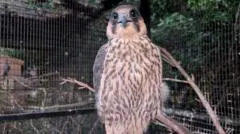
A young peregrine falcon that was found injured and unable to fly near Nottingham's Queen's Medical Centre has been successfully rehabilitated and reunited with its parents and siblings. The rescue was a joint effort between Brinsley Animal Rescue (BAR) in Nottinghamshire and Leicestershire Wildlife Hospital, highlighting the collaborative work of wildlife charities in caring for birds of prey that come to harm, often during the vulnerable early stages of learning to fly.
The female bird was discovered grounded at the end of June, and staff later established she was the offspring of a male peregrine BAR had treated successfully the previous year. Because BAR lacked facilities for a young bird to practise flying, she was moved to a large aviary at Leicestershire Wildlife Hospital before being released on Thursday, where she quickly located her family after hearing their calls. BAR co-founder Jon Beresford described the moment as "a privilege" and said it "really brought tears to our eyes".
In short
- Injured young peregrine falcon rescued near Nottingham hospital in June
- Rehabilitated by two wildlife charities before release on Thursday
- Bird reunited with parents and siblings soon after release
Explained simply
Nottingham's Queen's Medical Centre is home to a well-known pair of peregrine falcons, birds of prey that nest on tall buildings in towns and cities as a substitute for cliffs. Fledglings often struggle when they first attempt to fly, sometimes falling and injuring themselves, which is when local wildlife charities step in to help.
Brinsley Animal Rescue, based in Nottinghamshire, and Leicestershire Wildlife Hospital are two charities that care for injured wild animals and birds of prey, often working together when a case needs specialist facilities, such as a large enclosure where a young bird can safely practise flying before being released back into the wild.
Peregrine falcons are protected birds and among the fastest animals on Earth, and their presence on city landmarks has made them popular with local residents, who often follow their progress closely. Cases like this illustrate the ongoing work charities do to rescue, treat and return such birds to their natural habitat and family groups.