World news and discussion on TalkFuse.
‘Inside Deutsche Bank’: German government demands ‘transparency’ over revelations
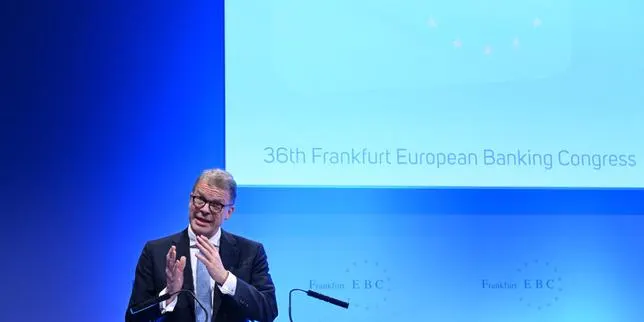
An international investigation based on leaked records has put Deutsche Bank under renewed scrutiny, prompting Germany’s vice-chancellor and finance minister, Lars Klingbeil, to demand full transparency about the bank’s past failures and its efforts to prevent them recurring. The revelations matter because they raise questions about the bank’s internal controls and its role in preventing money laundering, challenging its claims that it has transformed.
The investigation was published on 17 November by a consortium of more than 50 media organisations. It reported $582 million in suspicious transactions linked to Jeffrey Epstein; the disclosures also prompted scrutiny in European political circles, with a German Green MEP calling for the bank’s leadership to face questions in the European Parliament. Deutsche Bank described the issues as old, while Reuters reported that there was no immediate sign of a major new investigation; French authorities and financial bodies gave no public response.
In short
- Germany’s finance minister wants answers from Deutsche Bank.
- Leaked records include $582 million in suspicious Epstein-linked transactions.
- Regulators have not signalled a major new investigation.
Steelman: both sides, in good faith
The strongest fair case each way — we don't pick a winner.
The case for
Full transparency is justified because the reported $582 million in suspicious transactions linked to Epstein raise serious questions about whether the bank’s controls worked and whether past failures have been addressed. Public answers and parliamentary scrutiny could help establish accountability, reassure customers and regulators, and show whether safeguards now prevent similar problems.
The case against
The bank can reasonably argue that the disclosures concern historical activity and should be assessed against the rules, evidence and controls in place at the time. Calls for public answers or further scrutiny should be proportionate to verified findings, especially given the reported absence of an immediate sign of a major new investigation; premature conclusions could unfairly imply present wrongdoing.
Explained simply
Deutsche Bank is Germany’s largest bank and a major international lender. Like other banks, it must monitor transactions and report activity that could be linked to money laundering or other financial crime.
The bank has faced scrutiny over its past controls and its dealings with clients, including Jeffrey Epstein, a US financier convicted of sex offences. These issues have raised questions about how well the bank detected and handled suspicious transactions.
Germany’s government oversees financial policy, while European Parliament members can question institutions and press for public answers. The scrutiny matters because banks play a central role in preventing financial crime, and failures can affect trust in the financial system.
Europe Government Politics World