Culture news and discussion on TalkFuse.
Inside NYC’s ‘perfect scam’: Luxury cars, dusty shelves and the EBT secret behind the counter
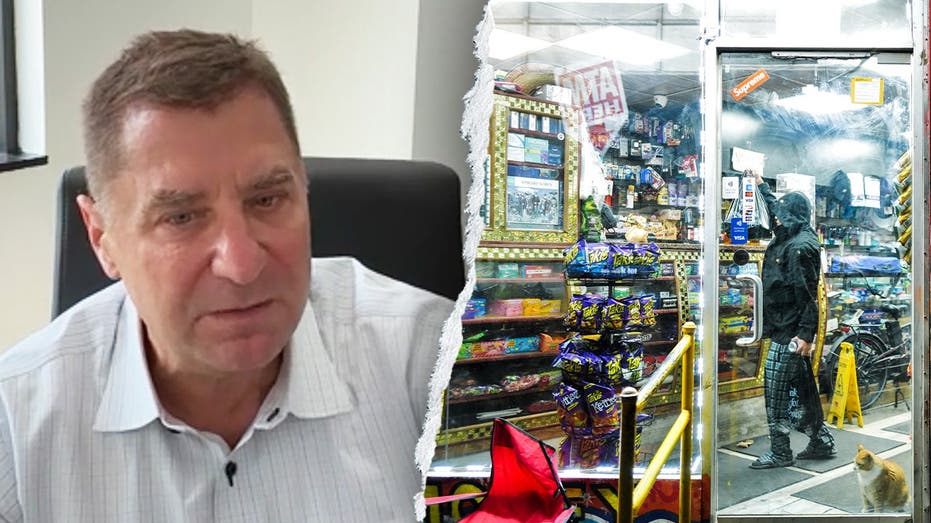
A fraud expert has told Fox News Digital that some New York City bodegas and delis are allegedly operating as fronts for organised schemes that skim Electronic Benefits Transfer (EBT) card data, effectively turning welfare-linked debit accounts into cash for criminals. Haywood Talcove, CEO of LexisNexis Risk Solutions Government, said he witnessed the practice first-hand while accompanying the US Secret Service on a fraud operation in the city, describing stores with dusty shelves and expired stock that appeared to exist mainly to facilitate the scam rather than sell goods.
According to Talcove, criminals fit hidden skimming devices to checkout payment terminals to capture EBT card data, often paired with pinhole cameras to record PIN numbers entered by customers. The stolen card details are then used to drain taxpayer-funded benefits intended for low-income households, with proceeds allegedly funding a lucrative criminal enterprise, including purchases such as luxury cars, while the affected stores serve as a front operation rather than genuine retail businesses.
In short
- Expert alleges NYC bodegas skim EBT cards to steal benefit funds.
- Hidden devices and pinhole cameras capture card data and PINs.
- Scheme allegedly funds luxury purchases while stores act as fronts.
Steelman: both sides, in good faith
The strongest fair case each way — we don't pick a winner.
The case for
EBT fraud is a serious organised crime that directly harms the poorest Americans by stealing their benefits. Federal fraud investigators have documented sophisticated operations, including coordinated use of skimming devices and hidden cameras. Strong law enforcement action is essential to shut down these schemes, deter similar activity, and protect both vulnerable welfare recipients and the integrity of the public assistance system.
The case against
Whilst individual fraud cases must be addressed through normal law enforcement, sensationalising anecdotal evidence risks unfairly stigmatising small retailers, particularly immigrant-owned bodegas with naturally slow inventory turnover. Rather than periodic enforcement crackdowns, resources should focus on systemic improvements to payment technology and security. Exaggerating the scope of the problem could lead to discriminatory targeting of legitimate small businesses rather than addressing underlying vulnerabilities.
Explained simply
Electronic Benefits Transfer (EBT) cards let people enrolled in US assistance programmes use benefits to buy eligible food and other essentials. In New York City, bodegas and delis are neighbourhood shops where customers may use these cards at checkout.
Haywood Talcove, a fraud expert at LexisNexis Risk Solutions Government, says some shops may be fronts for criminals who steal card details using hidden devices on payment terminals and cameras to capture PINs. The stolen information can then be used to take benefits from recipients’ accounts.
The alleged scheme matters because the benefits are intended to help low-income households, while stolen funds may enrich criminals. Talcove says he saw shops with little usable stock during a fraud operation with the US Secret Service; the claims concern alleged criminal activity, not bodegas and delis generally.