Politics news and discussion on TalkFuse.
Inside the Administration’s Chip Divide
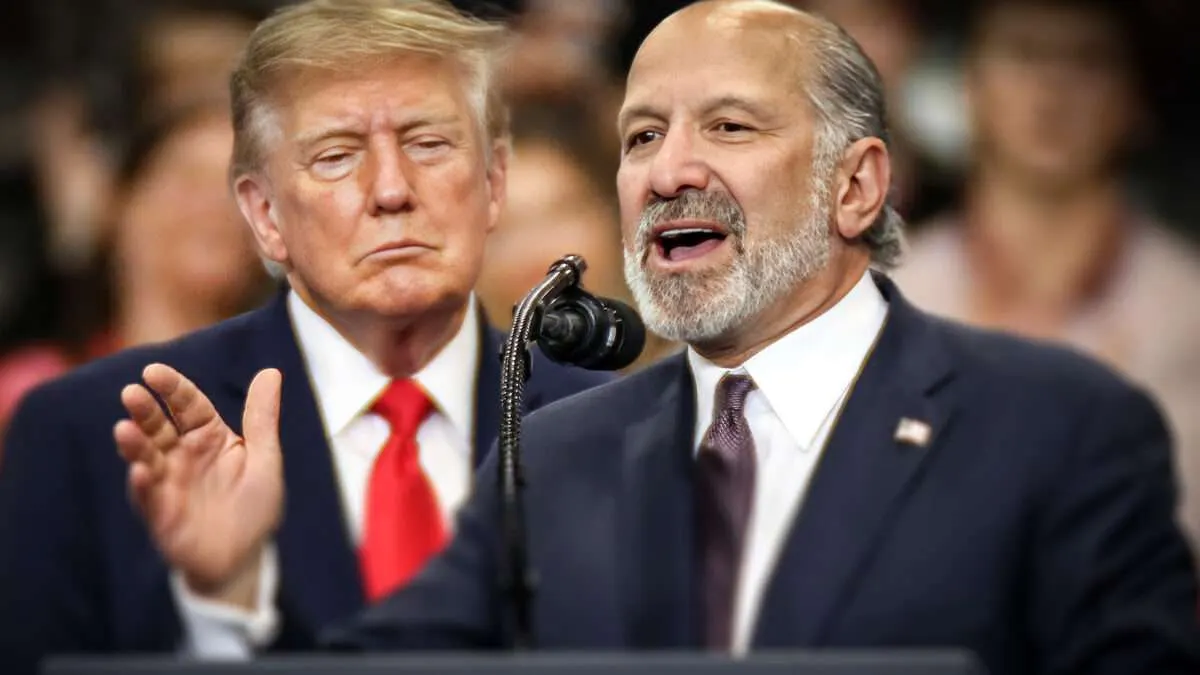
The Trump administration is divided over how tightly to restrict China’s access to US-made AI chips. The Commerce Department has announced new rules targeting ways Chinese firms can rent computing power from data centres abroad, while President Donald Trump says he sees merit in both a tougher approach and maintaining good relations with China.
The rules cover chip exports to high-risk countries including Indonesia, Malaysia, Singapore and Thailand, and require some overseas data centres to check customers linked to countries under US arms restrictions. US-headquartered companies are largely exempt. Treasury Secretary Scott Bessent and other officials favour stricter enforcement, while Commerce Secretary Howard Lutnick appears to favour softer controls; the dispute has also drawn attention to Nvidia and the difficulty of enforcing trade restrictions in practice.
In short
- The administration is split over controls on AI chips reaching China.
- New rules target overseas data centre rentals and exports to high-risk countries.
- Officials disagree on enforcement, with Nvidia also under scrutiny.
Steelman: both sides, in good faith
The strongest fair case each way — we don't pick a winner.
The case for
Tighter controls could make it harder for China’s military and intelligence services to obtain computing power that supports advanced AI, even when chips are rented through data centres abroad. Supporters argue that checks on high-risk routes are needed to make export rules effective, protect national security and prevent loopholes from undermining them.
The case against
Broad or complex restrictions may be difficult to enforce across overseas data centres and could burden firms in countries that are not the intended target. Those favouring a softer approach argue that narrower controls can address genuine security risks while limiting harm to US businesses, international partnerships and relations with China.
Explained simply
AI chips are specialised computer processors used to train and run artificial intelligence systems. The US makes rules about where some of these chips can be sold, because access to large amounts of computing power can affect countries’ technology and military capabilities.
China is a central concern in this debate, while several South-east Asian countries are important because data centres there can provide computing services across borders. The new rules ask some overseas data centres to check who their customers are; US-based firms are mostly exempt.
The main officials involved are Commerce Secretary Howard Lutnick, whose department sets export controls, and Treasury Secretary Scott Bessent, who supports tighter enforcement. Nvidia, a major US chipmaker, is also affected by the rules, which matter because tracking where chips and computing services end up is difficult.