Inside ‘The Great British Bake Off’ Bun Fight: How Sky & Love Productions Came To Blows Over The UK’s Biggest Cooking Series
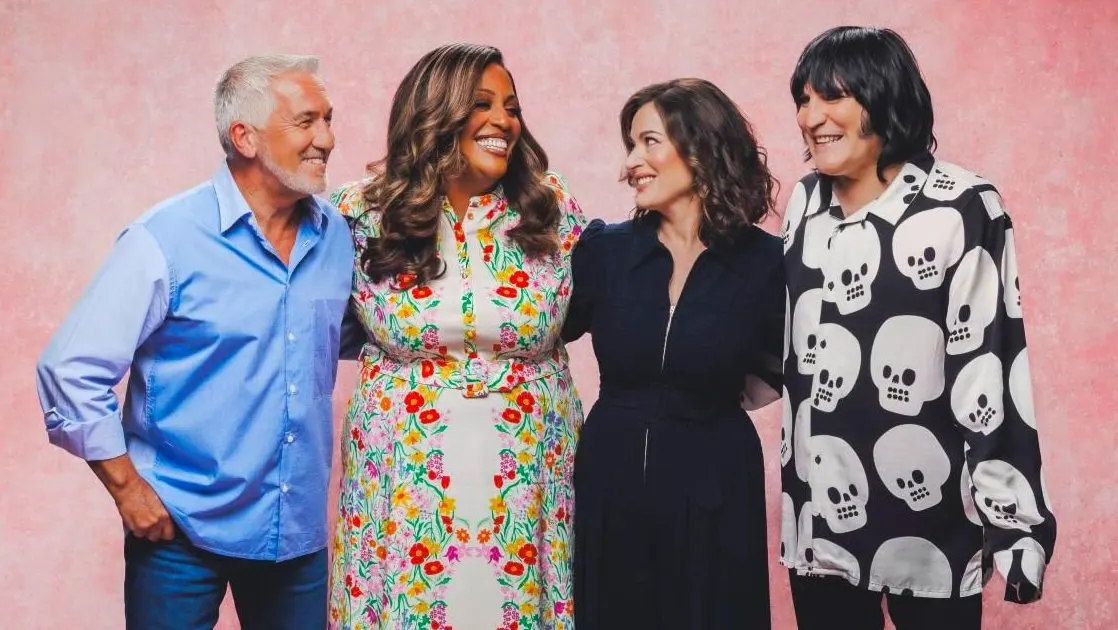
Sky and Love Productions are in a dispute over attempts to move The Great British Bake Off from Channel 4 to Sky, prompting former Love managing director Letty Kavanagh to bring legal claims for wrongful dismissal and unpaid severance. The row matters because Bake Off is a major free-to-air success and has become a test of Sky’s approach to public-service television as it pursues a £1.6 billion takeover of ITV.
Kavanagh alleges she was dismissed after objecting to Sky’s 2025 “Project Rise” plan, arguing it was improperly handled and harmed Love’s relationship with Channel 4; former executive producer Kieran Smith and another employee have also raised concerns. Sky denies wrongdoing, says an external investigation rejected the complaints, and attributes the conflict to professional disagreements over the programme’s future. Bake Off ultimately remained on Channel 4, where it has aired since 2017 after moving from the BBC.
- Former Love executive sues Sky over Bake Off dispute.
- Sky denies misconduct and will defend its position.
- Bake Off remains free-to-air on Channel 4.
New here? Start with this
The Great British Bake Off is a television competition in which amateur bakers take part in weekly challenges. It began on the BBC in 2010 and moved to Channel 4 in 2017, where it has remained a prominent free-to-air programme.
Love Productions makes Bake Off, while Sky is a major pay-TV and media company that has invested in British television production. Channel 4 is publicly owned but funded mainly by advertising, and relies on popular shows to attract large audiences.
Disputes over where Bake Off is shown matter because its broadcaster, producer and staff all have commercial and creative interests in the programme. The case also draws attention to Sky’s wider plans in British television, including its proposed takeover of ITV.
Both sides, in good faith
The strongest fair case each way — we don't pick a winner.
The case for
Critics of Sky’s approach argue that Bake Off’s cultural value rests partly on its broad, free-to-air availability, and that Love Productions had a legitimate duty to protect its established partnership with Channel 4. On this view, pursuing a move without sufficiently careful consultation risked damaging trust, disrupting a successful arrangement and marginalising executives who raised principled concerns about governance and the programme’s future. They would say that employees should be able to challenge major strategic decisions without fearing dismissal or loss of agreed severance.
The case against
Sky’s case is that exploring alternative homes for a valuable programme is a normal commercial responsibility, particularly as media companies adapt to changing audiences and seek sustainable investment in British production. Supporters would argue that disagreement among senior executives does not itself establish misconduct, and that an independent investigation finding no wrongdoing supports the view that this was a difficult professional dispute rather than retaliation. They would also stress that Sky was entitled to consider how Bake Off might fit its wider strategy while negotiations ultimately left the show on Channel 4.
Business Companies Culture Entertainment Food Geopolitics Politics TV UK World