World news and discussion on TalkFuse.
Inside the modern day Noah’s Ark built by a billionaire’s son: SUE REID visits the world’s biggest wildlife sanctuary that has saved 150,000 animals from terrible suffering
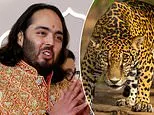
A visiting journalist toured Vantara, the world's largest wildlife sanctuary and conservation centre, owned by the Ambani family in Gujarat, India, which has rescued around 150,000 endangered animals from 2,000 species across 44 countries. The centre, set on 4,500 acres with 22 hospitals and 5,000 staff, takes in animals suffering appalling conditions, from private collections, circuses, bushmeat markets and war zones, and is now entering a ten-year research partnership with London's Natural History Museum expected to advance understanding of wildlife health and genetics significantly.
Among the cases witnessed were Dorcas, a cheetah flown in from a defunded South African sanctuary and treated for a shattered leg, and Pancham, a Bengal tiger that killed eight villagers in India but was spared retribution since killing tigers is illegal there. Vantara receives at least 100 requests for help daily and runs a "war room" to coordinate disaster response for animals worldwide. It also holds the world's largest animal biobank, with a million samples from over 1,000 species, including 260 rescued Asian elephants, being studied for insights into disease resistance and treatments such as snakebite venom, which kills 140,000 people globally each year.
In short
- Vantara sanctuary in India has rescued 150,000 animals from 44 countries
- Ambani-owned centre pairs with London's Natural History Museum on research
- Holds world's biggest animal biobank with a million DNA/tissue samples
Steelman: both sides, in good faith
The strongest fair case each way — we don't pick a winner.
The case for
Supporters view Vantara as a rare and welcome example of private wealth being deployed at scale for animal welfare and science, rescuing tens of thousands of creatures from genuine cruelty and neglect that under-resourced public bodies could never have addressed alone. They point to the calibre of its veterinary care, its rapid-response "war room" for crises worldwide, and its biobank research into diseases and treatments such as snakebite antivenom as evidence of serious scientific ambition rather than vanity. The forthcoming partnership with the Natural History Museum, in their eyes, lends independent credibility and suggests the project could yield lasting benefits for conservation science well beyond one family's philanthropy.
The case against
Sceptics, including some conservationists, argue that concentrating so many rescued and exotic animals under the private control of one of the world's richest families raises legitimate questions about transparency, oversight and long-term accountability that publicly run zoos or NGOs are normally subject to. They worry that the sheer scale and secrecy surrounding acquisitions could obscure whether all animals were sourced and transferred in line with international conservation law, and that a facility built and branded around a billionaire's son risks functioning as reputational polish for a vast business empire as much as genuine conservation. For these critics, good intentions and impressive infrastructure are not a substitute for independent scrutiny of how such an enormous private collection of wildlife is actually governed.
Explained simply
Vantara is a large wildlife rescue and conservation centre in Gujarat, India, owned by the Ambani family. It takes in animals from places such as circuses, private collections and conflict zones, and provides veterinary care and long-term shelter.
The centre cares for animals including endangered species and those injured or mistreated. Its work involves difficult cases: some animals need urgent treatment, while others, such as tigers that have killed people, cannot legally be killed in India.
Vantara also keeps biological samples from many species and is beginning a research partnership with London’s Natural History Museum. The research may help scientists understand animal health and genetics, while the centre’s size and international reach raise questions about how large wildlife facilities can support conservation.
Americas Environment Science World