Culture news and discussion on TalkFuse.
Inside the museum preserving the story of JFK’s assassination
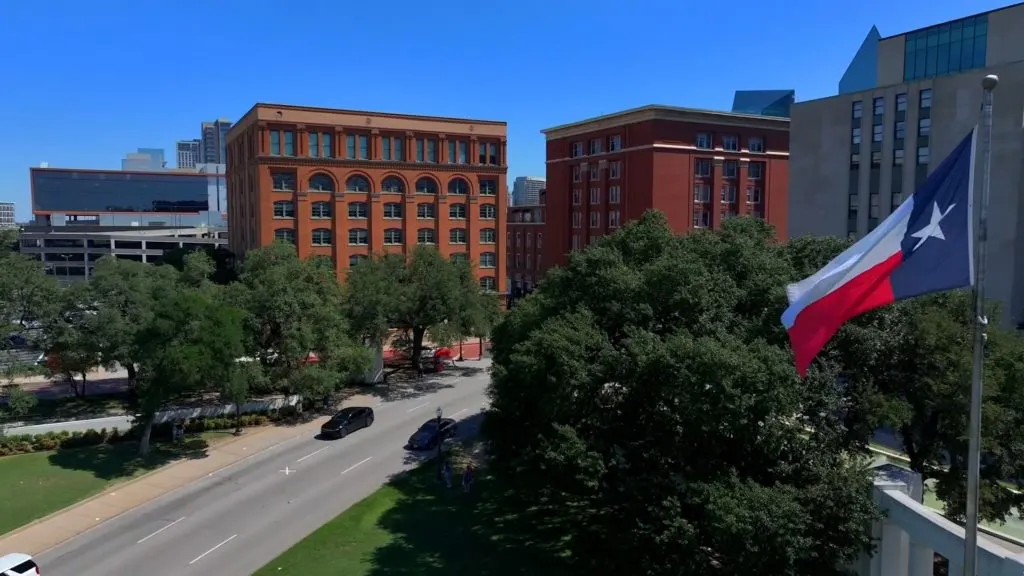
The Sixth Floor Museum at Dealey Plaza in Dallas is preserving the story of John F. Kennedy’s assassination, which took place there on 22 November 1963. A visit to the museum shows how it presents Kennedy’s life and presidency alongside the killing, while helping visitors navigate a subject that remains heavily debated and culturally resonant.
The museum is housed in the former book depository from which investigators concluded Lee Harvey Oswald fired the shots. Its chief executive says many younger visitors arrive with little knowledge of the event, and curator Stephen Fagin describes their experience as different from that of older generations, for whom it is often a personal memory. An exhibition also follows four local reporters who covered the assassination, including Darwin Payne, who was the first to speak with Abraham Zapruder, the man who filmed it.
In short
- A Dallas museum preserves the story of JFK’s assassination.
- Its exhibits explore Kennedy’s legacy and enduring questions.
- Younger visitors may encounter the event as new history.
Explained simply
John F. Kennedy was the 35th president of the United States. He was shot and killed in Dallas, Texas, on 22 November 1963, while travelling in a motorcade through the city. The killing became a major event in US history and has remained the subject of public debate.
Investigators concluded that Lee Harvey Oswald fired the shots from a book depository overlooking Dealey Plaza. The building now houses the Sixth Floor Museum, which presents Kennedy’s life and presidency alongside the assassination. Its exhibits also explore how local reporters covered the event, including through footage filmed by Dallas resident Abraham Zapruder.
For older visitors, the assassination may be a personal memory; younger visitors may know little about it. The museum aims to give them context for understanding what happened and why it continues to hold public attention.
Art Culture Government Politics