World news and discussion on TalkFuse.
Inside underground El Paso storm drain system Border Patrol says cartels exploit to smuggle illegal migrants
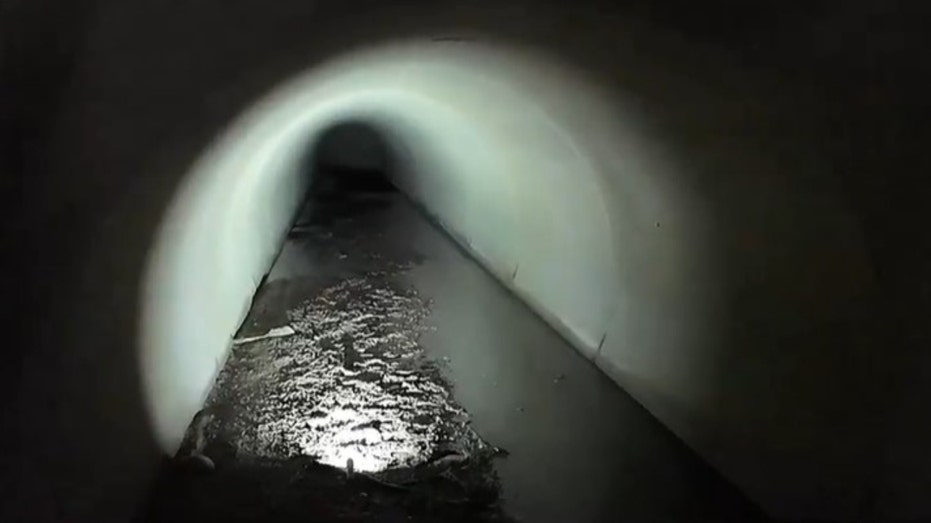
Fox News has reported on an underground network of storm drains beneath El Paso, Texas, which US Border Patrol agents say is being exploited by cartels to smuggle migrants illegally into the country. Agents describe the tunnel system, originally built for flood control, as effectively "a city underneath our city," highlighting how criminal networks have adapted existing infrastructure to move people undetected across the border. The report underscores ongoing concerns about the sophistication of smuggling operations and the risks migrants face when relying on them.
Correspondent Brooke Taylor's investigation found the drains to be hot, dark and extremely confined, posing serious dangers to those who pass through them. Smugglers are reportedly now charging migrants a premium of between $20,000 and $30,000 for passage via this route, reflecting the perceived value of using a hidden, harder-to-detect method of entry. The findings add to broader reporting on cartel-run smuggling networks along the US-Mexico border and the increasingly high costs and risks migrants face.
In short
- Cartels reportedly use El Paso storm drains to smuggle migrants
- Tunnels described as hot, dark and dangerously confined
- Smugglers charging $20,000-$30,000 per person for passage
Steelman: both sides, in good faith
The strongest fair case each way — we don't pick a winner.
The case for
Border security is a fundamental government responsibility, and this report reveals the alarming sophistication of criminal networks exploiting existing infrastructure to move people undetected. The use of underground drainage systems shows how smugglers continuously adapt to enforcement efforts, whilst the $20,000–$30,000 fees demonstrate cartel profiteering from migrants' desperation and vulnerability. These operations pose genuine public safety and security concerns that require enhanced monitoring, better infrastructure inspection, and stronger enforcement to protect both border security and the migrants themselves from dangerous criminal exploitation.
The case against
This story illustrates the humanitarian crisis created by the absence of legal pathways for people fleeing difficult circumstances; migrants resort to dangerous, expensive smuggling precisely because orderly alternatives do not exist. The real issue is not the specific routes cartels use but the desperation driving migration and the conditions that make criminal networks profitable—addressing root causes and creating accessible legal immigration channels would undercut cartel business models far more effectively than enforcement alone. Rather than focusing on blocking routes, policy should recognise that migrants' willingness to pay $30,000 and risk their lives in confined, dangerous spaces reflects the urgency of their need and the inadequacy of current legal options.
Explained simply
El Paso, Texas has an extensive underground system of storm drains that were originally built to manage flooding. US Border Patrol agents say that criminal cartels have increasingly used this hidden tunnel network to smuggle migrants illegally into the United States. The drains provide a concealed route beneath the city that authorities find difficult to detect and monitor.
The tunnel system is extremely confined, hot and dark, creating serious physical dangers for those who travel through it. Smugglers reportedly charge between $20,000 and $30,000 for passage through this hidden route, reflecting its perceived value as an undetected method of entry. The harsh conditions inside the drains nonetheless expose those making the journey to significant health and safety risks.
The use of storm drains demonstrates how criminal smuggling networks continuously adapt to exploit existing infrastructure to move people across the border. This reflects broader patterns in smuggling operations along the US-Mexico border and highlights ongoing challenges for border security, as migrants face escalating costs and dangers.