Intel secures one-year US waiver for foreign-made factory vehicles
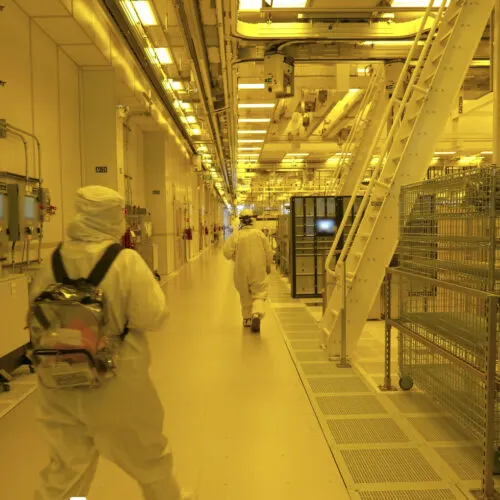
Intel has received a one-year waiver from the US Federal Communications Commission to keep using certain foreign-made automated vehicles in its American chip factories. The decision matters because unclear rules on foreign-made robots could otherwise disrupt the movement of materials inside facilities that are important to US semiconductor production.
Intel said it sought the waiver “out of an abundance of caution”, as it was uncertain whether its vehicles fall under the FCC restrictions. The agency also allowed certain hardware, software and firmware changes needed to maintain them; Intel said no US-made alternatives meet its requirements. The FCC granted the request within a week, while wider concerns persist that restrictions could hinder the US robotics industry: an IDC estimate says the rule could cut expected US revenue from humanoid robot deployments by 58 per cent by 2030.
In short
- Intel secured a one-year waiver for foreign-made factory vehicles.
- The FCC also approved some changes needed to maintain them.
- IDC estimates the rule could cut expected humanoid robot revenue by 58 per cent.
Steelman: both sides, in good faith
The strongest fair case each way — we don't pick a winner.
The case for
A temporary waiver can protect the continuity of semiconductor production while the FCC clarifies how its restrictions apply to factory vehicles. Intel says it sought the waiver cautiously and that no US-made alternatives meet its needs; allowing necessary maintenance changes may therefore avoid disruption to facilities important to domestic chip supply.
The case against
Exempting foreign-made vehicles and related software from restrictions may weaken safeguards intended to limit security risks from foreign technology. A waiver for a major manufacturer could also complicate consistent enforcement, while the reported effect on robotics revenue suggests the broader rules may constrain US industry; those concerns support a cautious, clearly bounded approach to exemptions.
Explained simply
Intel is a US technology company that makes semiconductors, the tiny components used in computers and many other devices. Its factories rely on automated vehicles to move materials around, and some of these vehicles were made abroad.
The US Federal Communications Commission (FCC) regulates communications equipment and has restrictions affecting some foreign-made technology. Intel was unsure whether those rules covered its factory vehicles, so it asked for temporary permission to keep using and maintaining them; it says suitable US-made alternatives are not available.
The issue matters because restrictions on equipment used in factories could affect how smoothly US chip production runs. The rules may also have wider effects on the US robotics industry, where companies use robots for tasks in workplaces and other settings.
Americas Business Companies World
Read the full article at the source →
Originally published by Ars Technica as “Intel gets waiver after worries fuzzy US ban on foreign-made robots may hit fabs”.