Intel reportedly plans processors supporting affordable DDR4 memory on LGA 1700
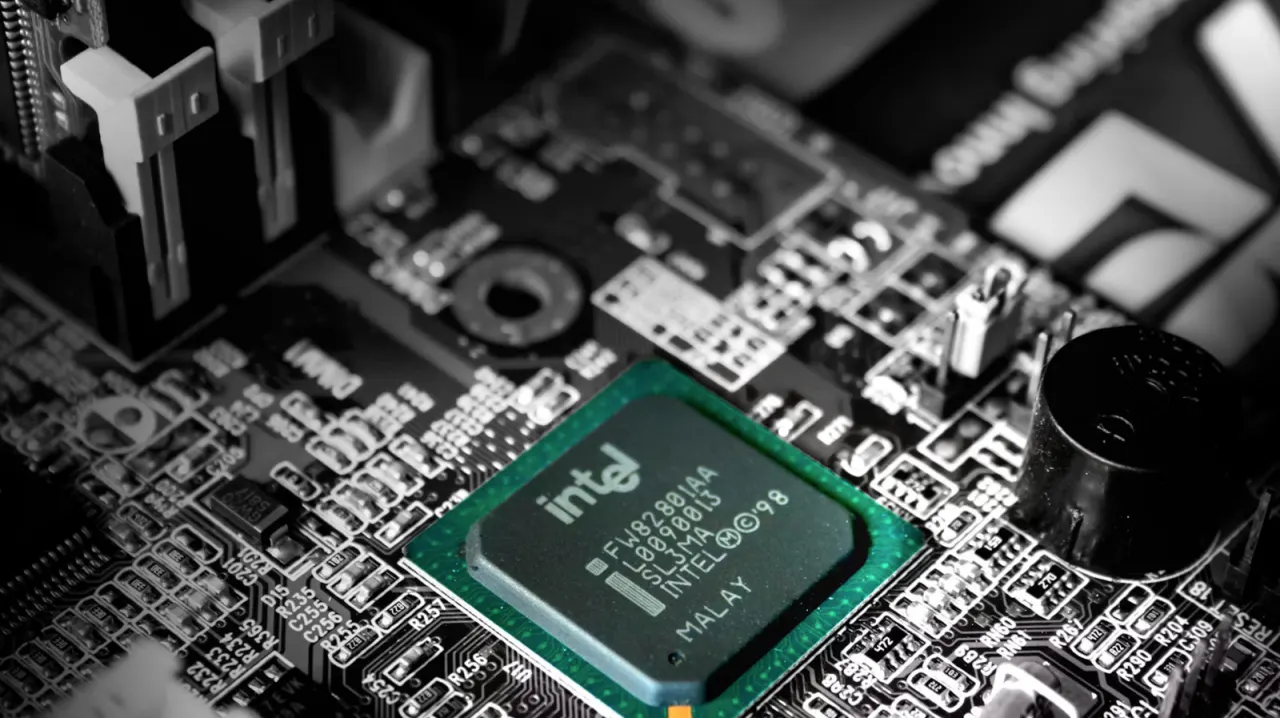
Intel is reportedly releasing new processors built on the LGA 1700 socket, a platform first introduced in 2021. These upcoming chips will support both DDR5 and DDR4 memory, allowing users to opt for cheaper DDR4 systems rather than costlier DDR5 alternatives. The move reflects the ongoing surge in memory prices driven by artificial intelligence demand, making older components suddenly relevant again for cost-conscious buyers.
The financial incentive is substantial: a 32GB DDR4 kit costs around $210, whilst a comparable DDR5 kit exceeds $480. Although DDR5 offers modest performance gains—typically 1-10% faster frame rates in gaming, depending on resolution and GPU—DDR4 remains perfectly adequate for the vast majority of modern applications. Intel's VP Robert Hallock has hinted at the strategy, noting that LGA 1700 "is still a good socket" and that "lots of people are still interested in DDR4," confirming the company intends to support this configuration for "years to come."
- Intel launches new CPUs on older LGA 1700 sockets supporting cheaper DDR4 memory
- DDR4 RAM costs $210 for 32GB versus $480 for DDR5; gaming performance gap minimal
- Move addresses skyrocketing memory prices driven by artificial intelligence demand
New here? Start with this
Computer memory prices have risen sharply in recent years, driven by demand from artificial intelligence and other computing applications. DDR5, the latest memory standard, costs significantly more than DDR4, the older standard it is beginning to replace.
Whilst DDR5 offers better performance than DDR4, the practical difference is small for most users—typically just a few percentage points in demanding applications. DDR4 works perfectly well for everyday computing, gaming, and most professional tasks.
Intel's LGA 1700 platform was introduced in 2021 and remains widely used for building computers. The company has signalled it will continue supporting this platform and enable cheaper DDR4 memory to work with new processors, providing consumers with a more affordable alternative.
Both sides, in good faith
The strongest fair case each way — we don't pick a winner.
The case for
Supporters of DDR4 argue this approach is pragmatically consumer-friendly and acknowledges market realities. The cost difference is substantial when DDR4 remains perfectly adequate for the vast majority of users, offering only marginal performance gains. By extending platform affordability and choice, Intel reduces artificial upgrade pressure and consumer costs, which ultimately builds goodwill and trust whilst still supporting the newer DDR5 standard for those who need it.
The case against
Critics contend that supporting DDR4 on new platforms fragments the ecosystem and undermines technological progress. If the user base is split between DDR4 and DDR5, software and game developers cannot fully optimise for DDR5's specific capabilities, leaving the ecosystem muddled rather than advancing cleanly to the next generation. Furthermore, this strategy risks signalling that Intel cannot compete on its new platform's merits alone, instead relying on backward compatibility to maintain market share rather than offering compelling reasons to upgrade.
Read the full article at the source →
Originally published by Engadget as “Intel is reportedly launching new CPUs on old sockets that support DDR4 memory”.