Business news and discussion on TalkFuse.
Interest rates expected to rise for first time in over three years
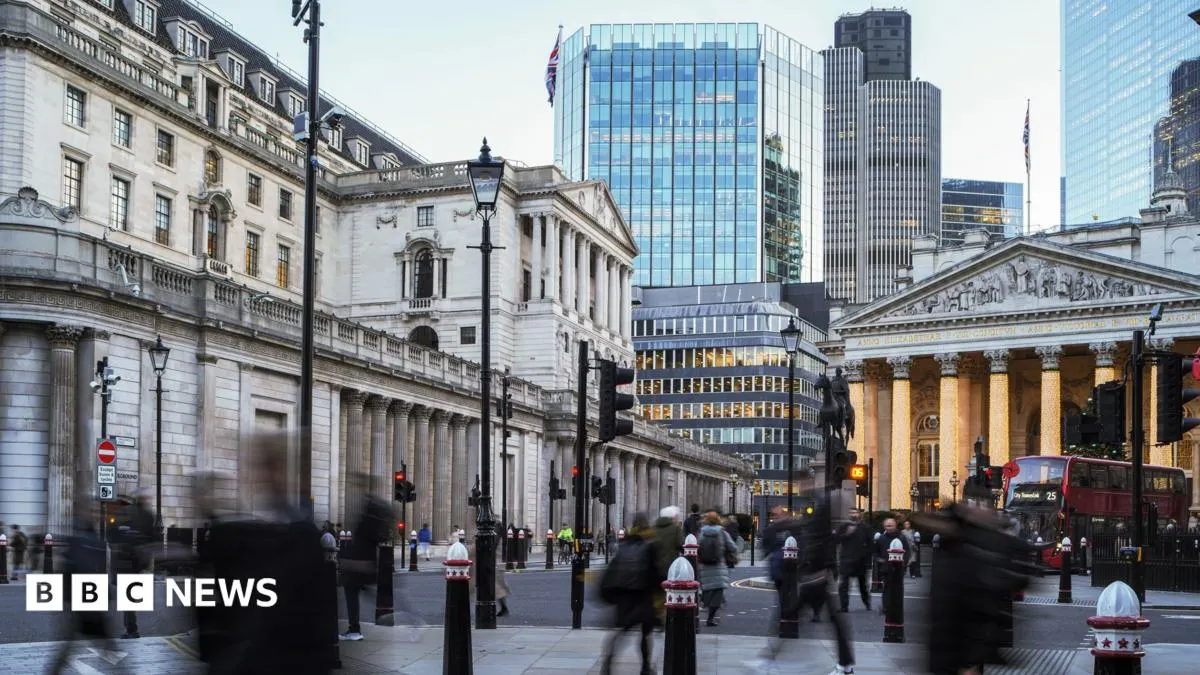
The Bank of England is expected to raise its benchmark interest rate on Thursday for the first time since August 2023, with analysts forecasting an increase from 3.75% to 4%. A rise would make borrowing more expensive for many households and businesses, while potentially improving returns for savers; the Bank’s guidance on whether further increases may follow will also be closely watched.
Inflation reached 3.5% in the year to September 2026, above the Bank’s 2% target, with higher fuel and energy costs among the drivers. A quarter-point rise would add about £31 a month to repayments for a typical tracker mortgage and around £14 for a typical variable-rate mortgage, depending on lenders’ decisions. Fixed-rate payments would not change immediately, but average new fixed rates were close to 6%, and some borrowers remortgaging face substantially higher bills than in 2021.
In short
- A rise from 3.75% to 4% is widely expected.
- Inflation is at 3.5%, above the Bank’s 2% target.
- Tracker mortgage repayments could rise by about £31 monthly.
Steelman: both sides, in good faith
The strongest fair case each way — we don't pick a winner.
The case for
A rate rise could help bring inflation back towards the Bank’s 2% target by making borrowing and spending more costly, which may ease price pressures and protect households’ purchasing power over time. With inflation at 3.5%, supporters may see a measured increase as a way to maintain confidence in the Bank’s commitment to price stability, while offering savers better returns.
The case against
Higher rates would increase repayments for tracker and some variable-rate mortgage borrowers, adding pressure to households already facing higher remortgage costs and energy bills. Critics may argue that raising borrowing costs risks weakening spending and business activity, while doing little to address inflation driven by fuel and energy prices; they may favour waiting for clearer evidence that price pressures will persist.