International equestrian body lifts ban on Russia
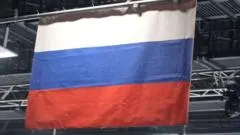
The International Equestrian Federation (FEI) has lifted its four-and-a-half-year ban on Russian and Belarusian athletes and officials, allowing them to compete under their own flags again from 5 October. The restrictions had been in place since March 2022 following Russia's invasion of Ukraine, during which time participants from the two countries were only permitted to compete as Neutral Individual Athletes. The decision marks a significant step in the gradual return of Russian sport to international competition and follows a similar move by the International Olympic Committee.
Under the new rules, events will also be permitted to be held in Russia again, and competitors will no longer face the neutral-athlete restrictions. The change follows the IOC's announcement in June that it would provisionally lift the suspension of the Russian Olympic Committee, potentially paving the way for Russian athletes to compete under their own flag at the 2028 Los Angeles Olympics. The FEI said it wished to "reiterate its support for the people of Ukraine" alongside its announcement.
In short
- FEI lifts ban on Russian and Belarusian athletes from 5 October
- Ends four-and-a-half-year restriction imposed after Ukraine invasion
- Follows IOC's provisional lifting of Russia's Olympic suspension
Steelman: both sides, in good faith
The strongest fair case each way — we don't pick a winner.
The case for
Supporters could argue that athletes should not be held collectively responsible for their government’s actions, and that allowing them to compete under their national flags restores ordinary sporting rights after years of restrictions. They may also see a consistent, rules-based return to international competition as fair to individual competitors and compatible with expressing support for Ukrainians.
The case against
Critics could argue that restoring Russian and Belarusian flags and hosting events in Russia risks treating international sport as separate from the invasion’s consequences, while lending legitimacy and visibility to the states involved. They may also believe the restrictions should remain until circumstances change, both in solidarity with Ukraine and to avoid creating unequal standards for countries whose conflicts or conduct are judged differently.
Explained simply
The International Equestrian Federation (FEI) sets rules for international horse sports, including showjumping, dressage and eventing. Its members include national federations, which organise the sport and select competitors for events.
After Russia invaded Ukraine in 2022, the FEI barred Russian and Belarusian athletes and officials from its competitions. Some were allowed to compete as individuals without their national flags, while events in Russia were also restricted.
The FEI’s decision matters because it changes how competitors from those countries can take part in international equestrian sport. Other sports bodies, including the International Olympic Committee, have also considered or taken steps towards easing restrictions, so their policies shape the wider debate about national representation in sport.