World news and discussion on TalkFuse.
Interview: Lithuania’s foreign minister says Europe needs to ‘just ignore’ Russia’s demands and stay focused
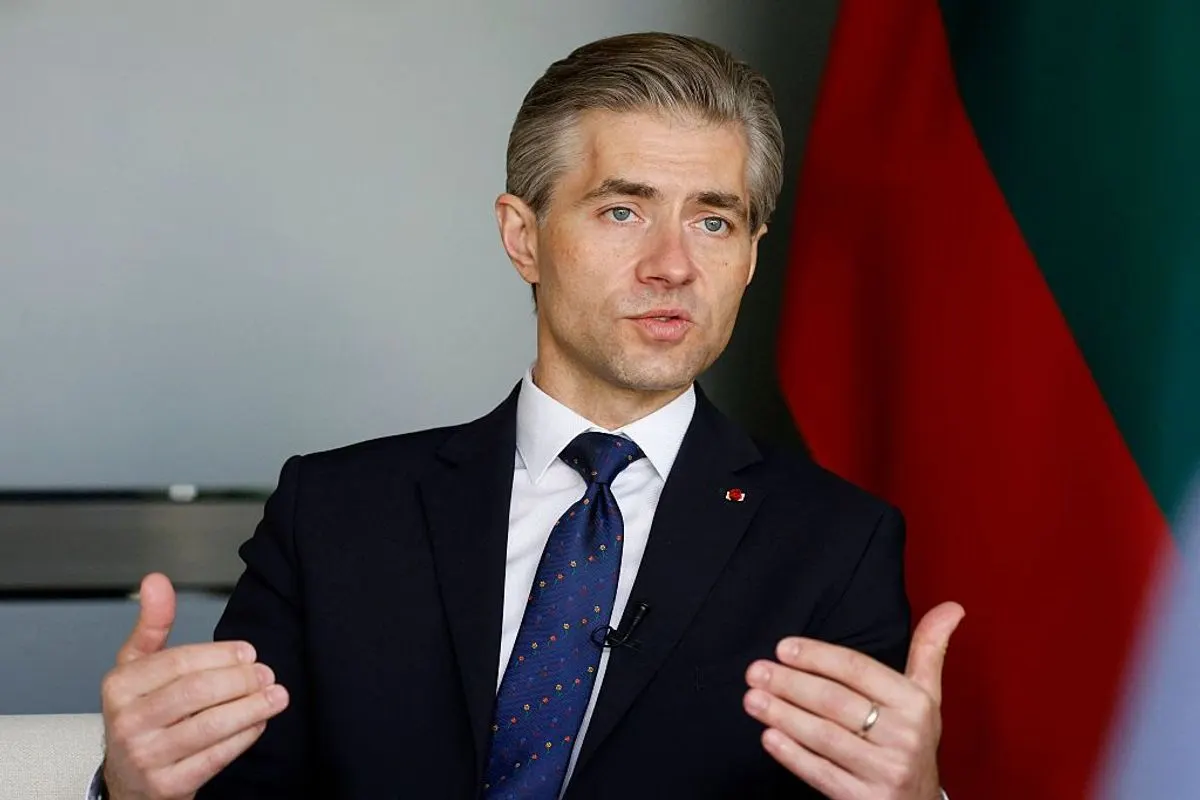
Lithuanian Foreign Minister Kestutis Budrys urged Europe to disregard Russia’s renewed demands to reshape the continent’s security arrangements and concentrate on securing a ceasefire in Ukraine. He said similar proposals have repeatedly accompanied Russian aggression, and argued that Moscow should not decide Europe’s security framework.
Budrys said talks after a ceasefire should address Russian troop withdrawal, accountability and security guarantees for Ukraine before considering reconstruction support or wider security arrangements. He welcomed a more coordinated European role involving EU institutions and the E5 countries, but said governments need advance briefings, transparency and input from countries bordering Ukraine, rather than being informed only after talks.
In short
- Budrys says Europe should focus on a Ukraine ceasefire.
- He rejects Russia’s demands to reshape Europe’s security system.
- He calls for coordinated talks and security guarantees for Ukraine.
Steelman: both sides, in good faith
The strongest fair case each way — we don't pick a winner.
The case for
Europe should reject demands made under the pressure of aggression, since letting Moscow dictate the continent’s security arrangements could reward coercion and weaken the principle that countries choose their own alliances. Prioritising a ceasefire, Russian troop withdrawal, accountability and security guarantees for Ukraine would address the causes and risks of the war before broader negotiations. A stronger European role, with transparent briefings and input from neighbouring states, could also make any settlement more durable.
The case against
Ignoring Russia’s demands outright could close off opportunities to reduce tensions or reach a negotiated settlement, even if those demands are unacceptable as stated. A lasting ceasefire may require engaging with Russia’s security concerns and discussing wider arrangements, alongside Ukraine’s sovereignty and safeguards, rather than making broader talks conditional on prior concessions. European coordination is valuable, but a process led by a smaller group could also limit the influence of other governments and complicate efforts to build a common position.
Europe Government Politics World