Business news and discussion on TalkFuse.
Interview: Move fast to secure Kyiv’s future, Brussels economy chief tells Ukraine, EU countries
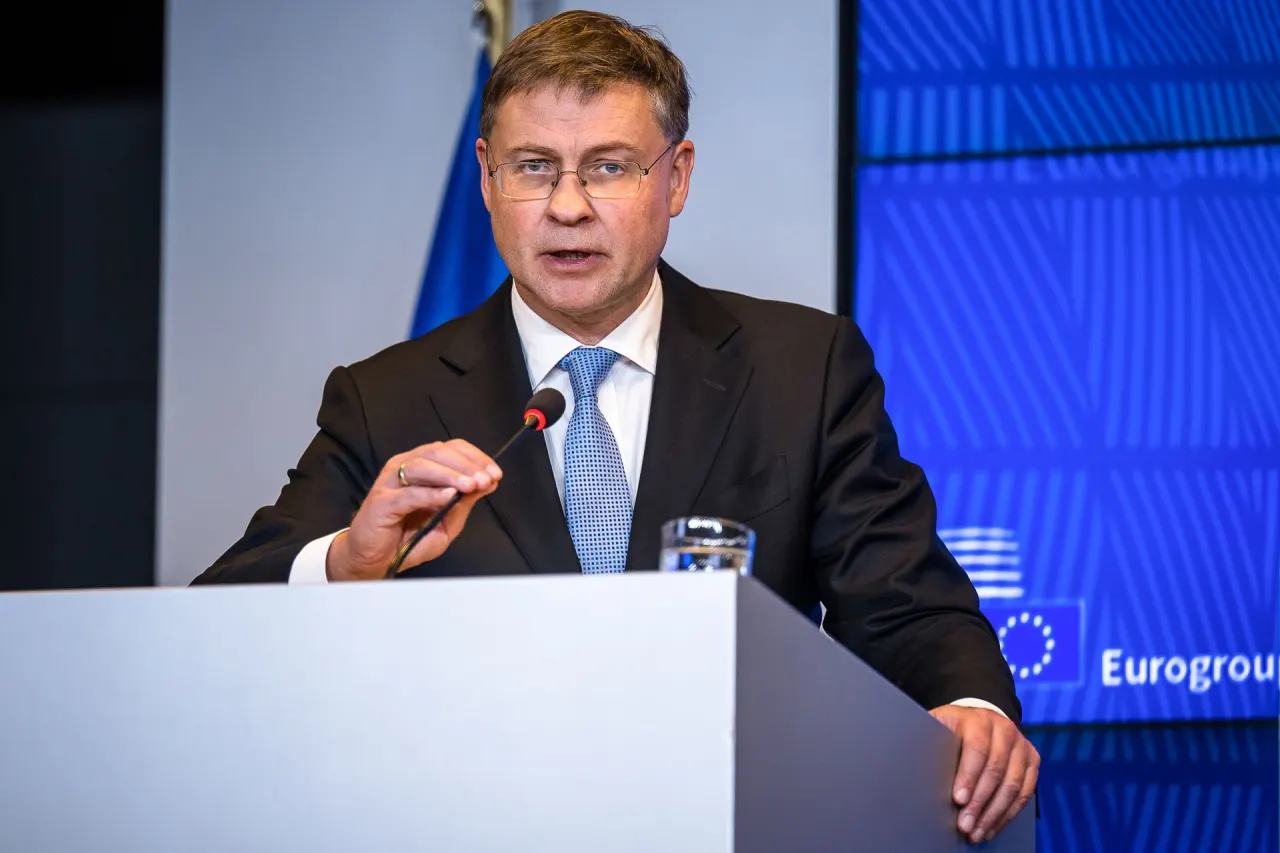
The European Commission has proposed a €45 billion loan for Ukraine in 2027, and EU economy commissioner Valdis Dombrovskis says member states and Kyiv need to make key decisions by December. The timing matters because the IMF is due to meet that month and needs assurance that Ukraine’s budget is funded before it can continue supporting the country.
The proposal is intended to cover two-thirds of Ukraine’s estimated €70 billion budget shortfall. It assumes all 27 EU countries will take part, while negotiations over the 2028–34 EU budget have reduced the proposed Ukraine allocation from €100 billion to €89 billion. Dombrovskis supports paying loan interest on top of that allocation; he also said earlier payments may depend on Ukraine advancing reforms, including measures on simplified taxation and tax evasion.
In short
- The EU has proposed a €45 billion loan for Ukraine in 2027.
- Decisions are needed by December to support IMF funding assurances.
- Faster payments may depend on Ukraine advancing tax reforms.
Steelman: both sides, in good faith
The strongest fair case each way — we don't pick a winner.
The case for
A €45 billion loan could help keep Ukraine’s budget funded and sustain public services and the country’s ability to withstand the war, while giving the IMF confidence to continue its support. Agreeing the arrangements by December would reduce uncertainty, and linking payments to reforms could help address tax evasion and strengthen Ukraine’s finances over time.
The case against
A large loan commitment, especially if all 27 member states are expected to participate and interest costs come on top of the Ukraine allocation, could place a substantial burden on EU budgets and make agreement harder. Tying early payments to reforms during wartime may also risk delaying urgently needed funds, while the proposed loan still leaves much of Ukraine’s estimated shortfall uncovered.
Explained simply
Ukraine has relied on external funding to help pay for public services and other government costs while defending itself against Russia’s full-scale invasion. The International Monetary Fund (IMF) is an international lender that provides financial support when countries face serious economic pressures.
The European Commission proposes policies and spending plans for the European Union, whose 27 member states must agree on major funding decisions. The EU’s long-term budget sets spending priorities across several years, including support for Ukraine, while Ukraine’s own tax and budget policies affect how much money its government can raise.
EU support matters because Ukraine faces a large gap between its expected spending and available funds. IMF support and EU funding are linked: the IMF needs confidence that Ukraine can cover its budget needs as it considers further assistance.