Entertainment news and discussion on TalkFuse.
‘Interview With the Vampire’ Director Officially Claims Even James Cameron’s CGI Looks Wrong [Exclusive]
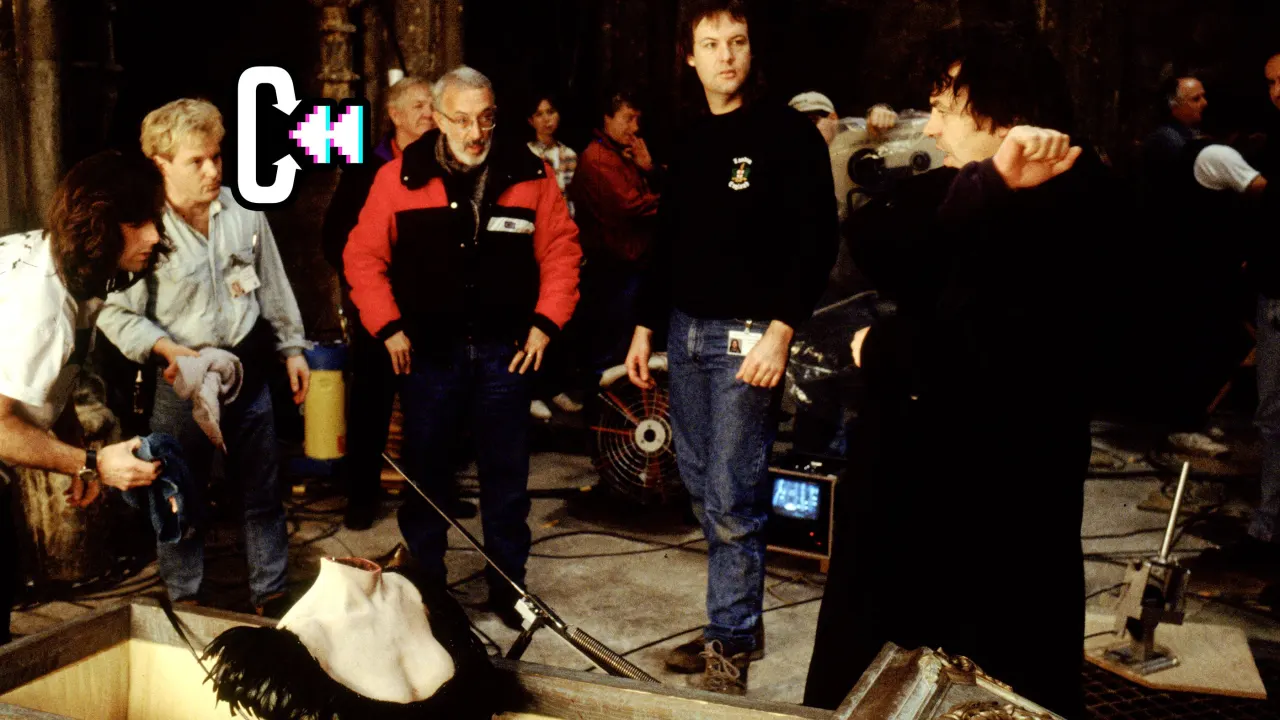
Director Neil Jordan argues that even high-end CGI can look artificial because digital effects struggle to reproduce natural movement, perspective and parallax. Speaking about his practical approach to Interview with the Vampire, he said the film benefits from having its sets and environments physically built, making them feel more convincing and helping the film endure through its new 4K restoration.
Jordan said he notices these issues even in James Cameron’s films and in digitally assembled television productions, where artificial backgrounds and visible joins can disrupt immersion. He believes audiences and filmmakers may be returning to a greater appreciation of physical sets and documentary-like realism, and suggested that he might not direct another film unless he can regain that tangible production process.
In short
- Neil Jordan says CGI can still fail to mimic natural visual perception.
- He praises Interview with the Vampire’s physically built environments.
- He may avoid directing again without a more practical filmmaking process.
Steelman: both sides, in good faith
The strongest fair case each way — we don't pick a winner.
The case for
Practical sets can give actors real spaces to move through and provide natural movement, perspective and parallax that are difficult to reproduce digitally. Supporters of Jordan’s view argue that this physical coherence helps audiences stay immersed and can give a film a lasting visual quality.
The case against
CGI lets filmmakers create places, creatures and camera movements that would be impractical or impossible to build, and it can support rather than replace physical sets. Its advocates might argue that artificial-looking results reflect particular creative choices or execution, not an inherent limit of digital effects, and that audiences value visual possibilities as well as documentary-like realism.
Explained simply
Computer-generated imagery (CGI) creates or alters images digitally, while practical effects use physical sets, objects and materials during filming. Many productions combine the two. Filmmakers use digital effects to create scenes that would be difficult or costly to build, but the result can depend on how naturally movement, depth and the background appear.
Neil Jordan directed Interview with the Vampire, a 1994 film based on Anne Rice’s novel. Its production used constructed sets and physical locations to create its period settings. The film has since been restored in 4K, a high-resolution format that can make details in the image more visible.
The discussion reflects a broader choice facing film and television makers: how to balance digital tools with physical production. That choice matters because the look of a scene can affect whether viewers find it convincing, and because production methods shape the time, cost and resources needed to make a film.