World news and discussion on TalkFuse.
Investigation Law enforcement: A month of serious injuries at protests
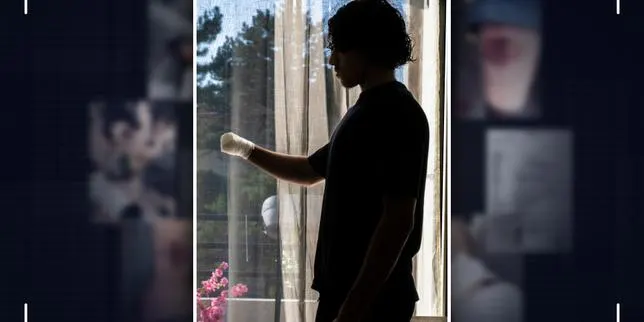
A month of demonstrations in France in autumn 2026 left several protesters with serious injuries, including torn-off hands, broken bones and a blinded eye. The cases have raised questions about the weapons used by police and how officers manage protests.
One example was Brice B., 27, who was struck by a grenade fragment in Paris on 17 October and needed surgery to remove it from his arm. Earlier, 14-year-old Eden was hit at close range by a grenade launcher in Saint-Ouen-l’Aumône on 28 September; a police headquarters note later linked his injury to an EF-SON stun grenade and ordered its provisional suspension during student protests. Interior Minister Laurent Nuñez acknowledged the first hand mutilation on 6 October.
In short
- French protests in autumn 2026 left demonstrators with severe injuries.
- Cases have raised scrutiny of police weapons and their use.
- A stun grenade was provisionally suspended during student protests.
Steelman: both sides, in good faith
The strongest fair case each way — we don't pick a winner.
The case for
Police may need forceful crowd-control tools to prevent violence, protect demonstrators and officers, and manage fast-changing situations where less forceful methods may fail. Supporters of their use would argue that injuries are tragic but do not alone show that officers acted improperly; clear rules, training and case-by-case review can distinguish justified use from misuse.
The case against
Serious injuries, including those suffered by a child at close range, raise questions about whether these weapons carry risks that are disproportionate to their public-order purpose. Critics would argue that authorities should suspend or replace weapons that can cause devastating harm, and ensure transparent investigations and accountability when officers use them.