Iran shifts Hormuz tactics to sustain oil prices ahead of US midterms
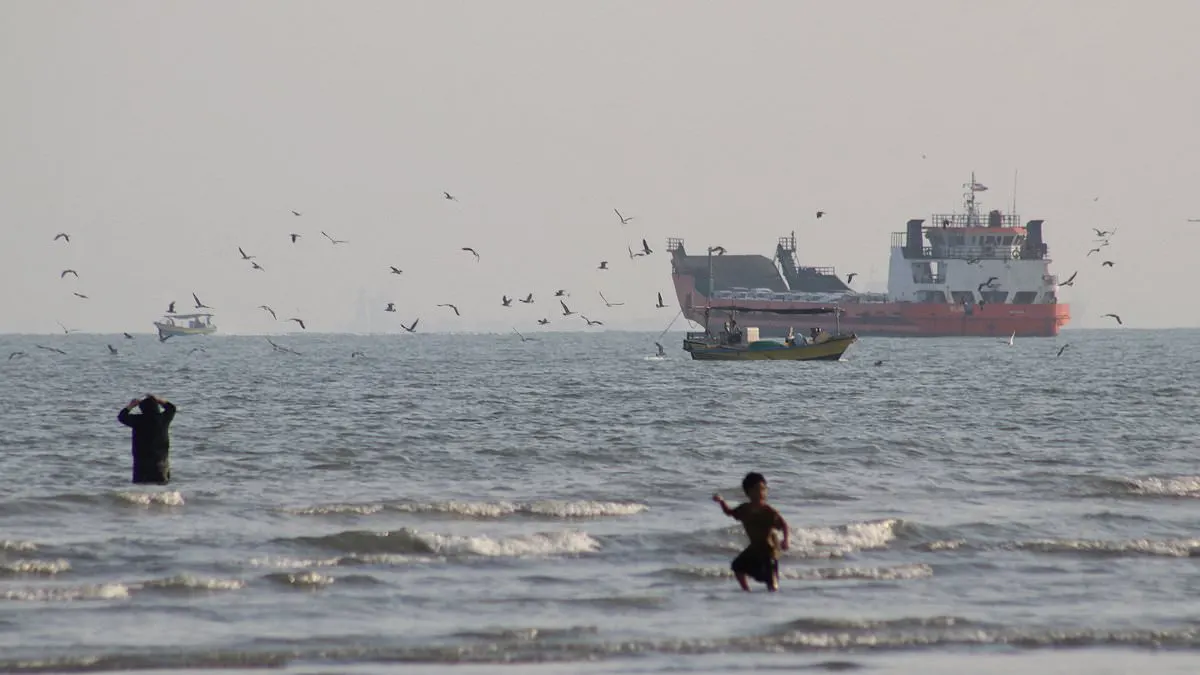
Two senior Iranian officials say Tehran has changed its tactics against ships in the Strait of Hormuz, aiming to keep oil prices high and influence the US midterm elections. The shift matters because the waterway carries a substantial share of global energy trade, and attacks and restrictions have already disrupted shipping and raised prices.
The officials said the strategy was approved by Iran’s top leadership and involved changes to the type and pace of attacks, but gave no further details. A US military official said Iran has begun using unarmed spotters in small boats to identify targets after US strikes damaged its radar capabilities; US forces recently destroyed a dhow they said was directing the IRGC. At least five incidents involving commercial ships were reported around Hormuz in the preceding 48 hours. The article says the November 3 vote will determine control of Congress, while the war is costing the US about $3 billion a month.
- Iran has changed its tactics against ships near the Strait of Hormuz.
- Officials say the strategy may keep oil prices high before US midterms.
- At least five commercial shipping incidents were reported in 48 hours.
New here? Start with this
The Strait of Hormuz is a narrow sea passage between Iran and Oman, linking the Gulf to the open ocean. A substantial share of the world’s oil and gas trade passes through it, so disruption there can affect shipping costs and energy prices far beyond the region.
Iran’s Islamic Revolutionary Guard Corps, or IRGC, is a powerful part of the country’s armed forces. The United States has military forces in the region, and the two countries’ confrontation has included strikes and incidents involving commercial vessels. Safe passage through the strait is therefore a concern for shipping companies and governments.
US midterm elections decide which party controls Congress, the part of government that makes laws and oversees federal spending. Energy prices can affect household costs and political debate, while the war also carries a financial cost for the US.
Both sides, in good faith
The strongest fair case each way — we don't pick a winner.
The case for
Iran’s reported shift could be seen as an attempt to use pressure on a strategically important waterway to influence US policy and raise the costs of the war. Supporters of this approach might argue that, facing a much stronger military, disrupting shipping and keeping energy prices high gives Tehran leverage and draws attention to the consequences of US actions.
The case against
Critics could argue that targeting or threatening commercial shipping imposes costs on civilians and economies far beyond the US, while seeking to sway an election through higher energy prices undermines democratic self-determination. They might also contend that such tactics risk escalation and make a negotiated settlement harder, without resolving the underlying conflict.
Elections Middle East Politics World
Read the full article at the source →
Originally published by Daily Mail as “Iran aims to humiliate Trump and ensure mid-term elections defeat with new Strait of Hormuz tactics”.