Iran ‘highly likely’ to have been behind RAF Fairford incident says Burnham as he vows greater sanctions for Islamist regime
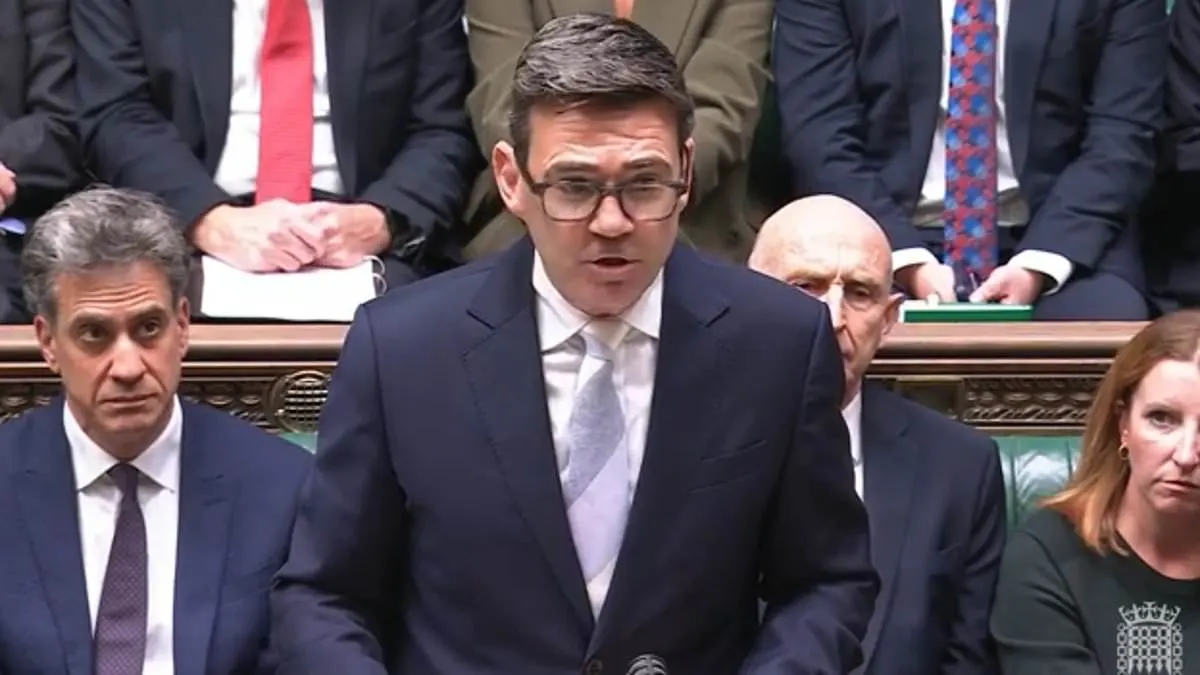
Andy Burnham told MPs that Iran was “highly likely” to have coordinated a security incident near RAF Fairford, almost certainly through the Islamic Revolutionary Guard Corps (IRGC). He said the UK would impose further sanctions and target Iranian-linked criminal networks and their funding, amid wider allied condemnation of Tehran’s attacks.
Seven people have been arrested and bailed after three suspicious vans were stopped near the Gloucestershire base on 27 September; police found no explosives but seized petrol. The US withdrew B1 bombers from the site, citing an Iran-linked threat. Britain has also summoned Iran’s ambassador and imposed asset freezes, travel bans and director disqualifications on two Iranian nationals. Iran has denied involvement, calling the accusations unfounded speculation.
- Burnham says Iran was highly likely to have coordinated the Fairford incident.
- Seven people have been arrested and bailed.
- The UK has sanctioned two Iranian nationals and plans further measures.
New here? Start with this
RAF Fairford is a military airbase in Gloucestershire that hosts allied aircraft. On 27 September, three suspicious vans were stopped near the base and seven people were arrested and released on bail. Police found petrol in the vehicles but no explosives were discovered.
The UK government has assessed that Iran's paramilitary Islamic Revolutionary Guard Corps was likely behind the incident, based on intelligence. The United States treated the threat seriously enough to withdraw B1 bombers it had stationed there. This reflects broader tensions between Iran and Western nations over military activities.
Britain has responded by imposing sanctions on Iran, including asset freezes and travel bans on Iranian nationals, and summoning Iran's ambassador. Iran has denied involvement and rejected the accusations as unfounded speculation.
Both sides, in good faith
The strongest fair case each way — we don't pick a winner.
The case for
Those supporting the government's position argue that the IRGC has a documented history of precisely this type of operation against Western military assets, and allied intelligence assessments indicating Iranian involvement represent a serious security threat demanding response. With British military installations at risk and the US taking the Iranian threat seriously enough to redeploy bombers, the government has both a duty to protect citizens and a deterrent responsibility to signal that such incidents carry consequences through investigation and sanctions, without needing to publicly disclose classified intelligence sources.
The case against
Those questioning the response contend that 'highly likely' reflects assessment rather than certainty, and the publicly available evidence—suspicious vehicles and petrol—is circumstantial and insufficient to warrant unilateral sanctions against a nation that categorically denies involvement. They argue that imposing restrictions without declassified proof risks dangerous escalation in an already volatile region, and that international action should require either transparent evidence or broader coalition agreement rather than acting on undisclosed intelligence assessments.