World news and discussion on TalkFuse.
Iran prefers conflict with US over peace to suppress internal uprising, human rights activist warns
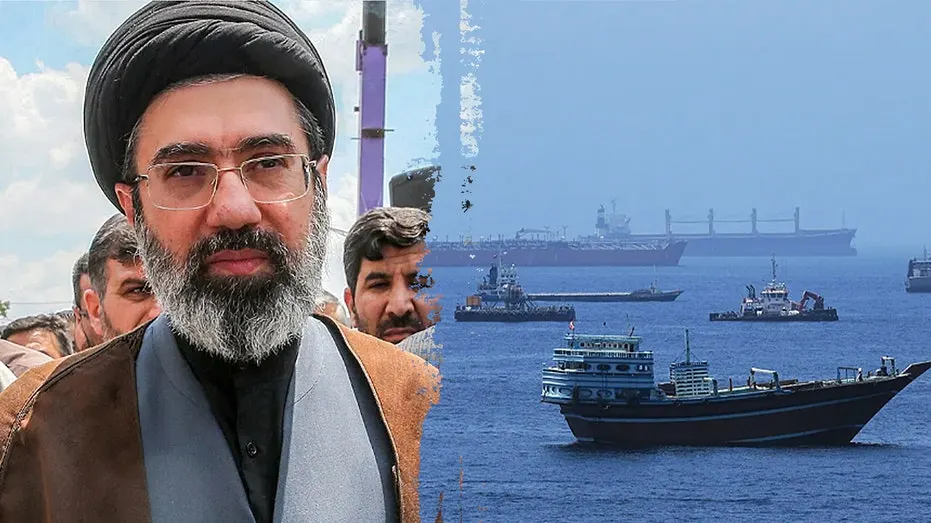
A human rights activist has warned that Iran's regime views continued confrontation with the United States as preferable to peace, using external conflict to distract from and suppress growing internal unrest. Dr Majid Sadeghpour, political director of the Organization of Iranian-American Communities, told Fox News Digital that Tehran's leadership is less troubled by American military strikes than by the risk of a domestic uprising, arguing that the regime's survival now depends on maintaining friction with outside powers to keep its disillusioned population distracted.
Sadeghpour noted that Iran continued attacking ships and US bases in Jordan and Bahrain even after receiving American assurances against pursuing regime change, which he said demonstrates the leadership's priorities. His comments follow renewed US airstrikes on Iran and continuing tension in the Strait of Hormuz, where Vice President JD Vance said Iran keeps targeting commercial vessels despite agreeing not to, though he suggested Iran's control of the strait is "a diminishing asset". President Donald Trump, meanwhile, said he was indifferent to reaching a deal with Tehran and publicly urged the Iranian people to "rise up", reflecting Washington's apparent shift towards encouraging internal regime change rather than negotiation.
In short
- Activist says Iran prefers US conflict to distract from internal unrest
- Iran attacked ships and bases despite US regime-change assurances
- Trump says he's uninterested in a deal, urges Iranians to "rise up"
Steelman: both sides, in good faith
The strongest fair case each way — we don't pick a winner.
The case for
A regime facing serious domestic discontent may find that confrontation with the United States helps rally supporters, justify repression and divert attention from grievances. Iran’s continued attacks despite assurances against regime change could support the view that its leaders see external tension as serving their own survival, while prioritising a deal might ease pressure without addressing the public’s demands.
The case against
The activist’s account is an interpretation of the regime’s motives, and continued attacks could instead reflect strategic calculations, security concerns or distrust of US assurances. A government may prefer de-escalation to avoid further damage and instability, even while resisting foreign pressure; the reported actions alone do not establish that Tehran sees conflict as preferable to peace.
Explained simply
Iran has been governed since the 1979 Islamic Revolution by a political system led by clerics, with elected officials operating alongside powerful unelected institutions. The government has faced repeated protests over political restrictions, living conditions and personal freedoms, and authorities have used arrests and force to contain dissent.
The United States and Iran have had a hostile relationship for decades, marked by sanctions, disputes over Iran’s nuclear programme and military confrontations. The Strait of Hormuz, a narrow passage through which much of the world’s oil is shipped, is a key point of tension because threats to shipping there can affect trade and energy supplies.
Dr Majid Sadeghpour is a political director at an organisation that advocates for Iranian opposition groups. His warning concerns whether Iran’s leaders see conflict abroad as a way to strengthen their hold at home, while US policy and Iran’s internal opposition shape the risks of further confrontation.