World news and discussion on TalkFuse.
Iran still has stockpile of 2,500 missiles — as regime threatens US bombers as far away as the UK: report
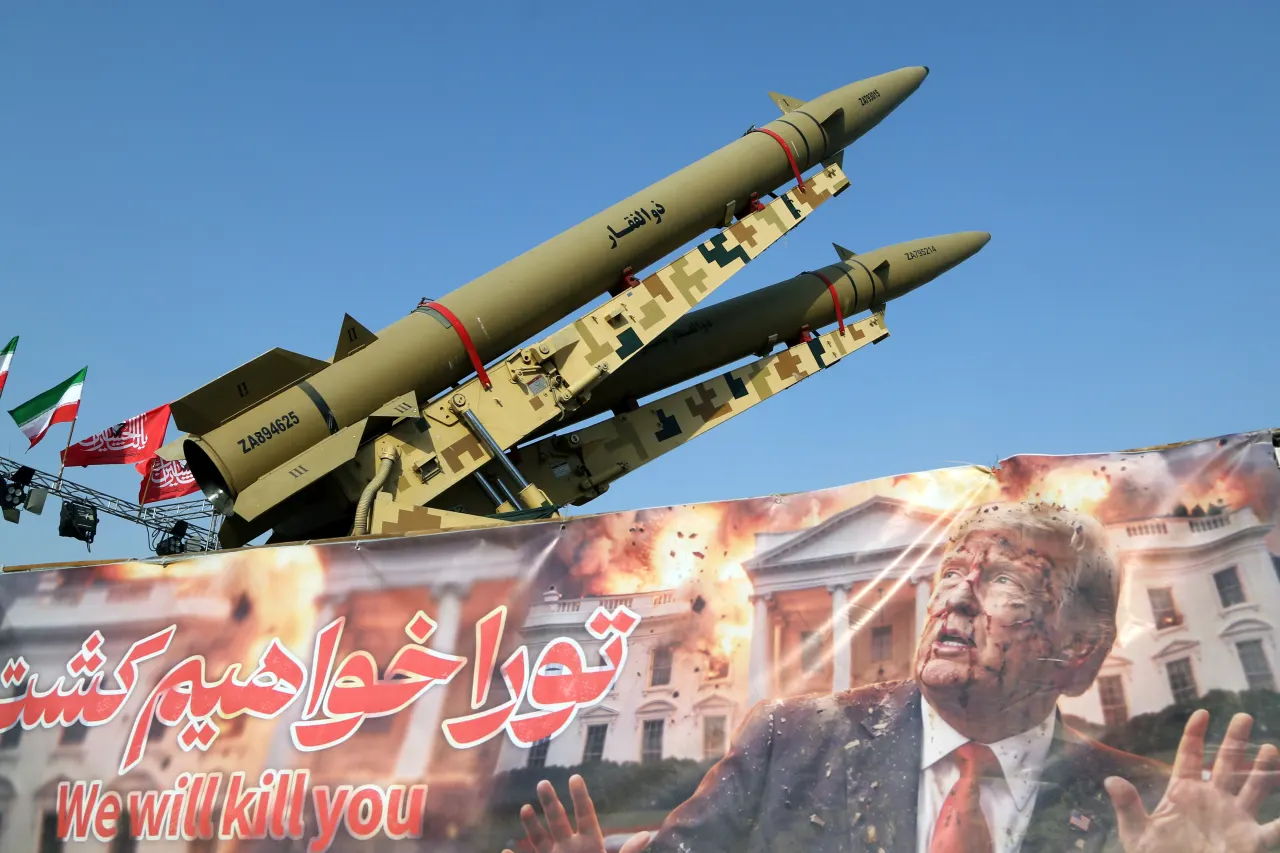
A US intelligence assessment indicates Iran may have between 1,500 and 2,500 missiles remaining, despite claims by the US and Israel that its missile programme had been severely weakened. The reported stockpile matters because Iran continues to launch missiles and drones at US bases and ships in the region, while threatening that one of its ballistic missiles could reach a military base in Britain.
Iran’s latest attacks included six drones allegedly fired at a US air-defence radar at a base in Bahrain; the US and Bahraini militaries said they intercepted them. Former US defence official Simone Ledeen said even the lower stockpile estimate would mean Iran had rebuilt half its pre-war arsenal. Iranian state broadcasters said a modified Khorramshahr missile could reach RAF Fairford, about 2,800 miles away, though its ability to do so remains unclear.
In short
- US assessment puts Iran’s remaining missile stockpile at 1,500 to 2,500.
- Iran claims a missile could reach RAF Fairford in Britain.
- The missile’s actual range remains uncertain.
Steelman: both sides, in good faith
The strongest fair case each way — we don't pick a winner.
The case for
The reported stockpile and continued launches suggest Iran retains a substantial ability to threaten US forces and regional allies, so claims that its missile programme has been severely weakened may be premature. Supporters of a firm response could argue that credible deterrence and protection of bases and shipping require taking the lower estimate seriously, while treating the threat to Britain cautiously but not dismissing it.
The case against
The figures are a reported intelligence estimate, and the claim that a modified missile could reach RAF Fairford comes from Iranian state broadcasters; its actual range remains unclear. Those urging restraint could argue that uncertain capabilities and intercepted attacks do not by themselves establish an imminent threat, and that overstating them could encourage escalation when diplomacy and independent verification remain important.