World news and discussion on TalkFuse.
Iran takes a victory lap over stunning US election results, claims ‘collapse has accelerated’
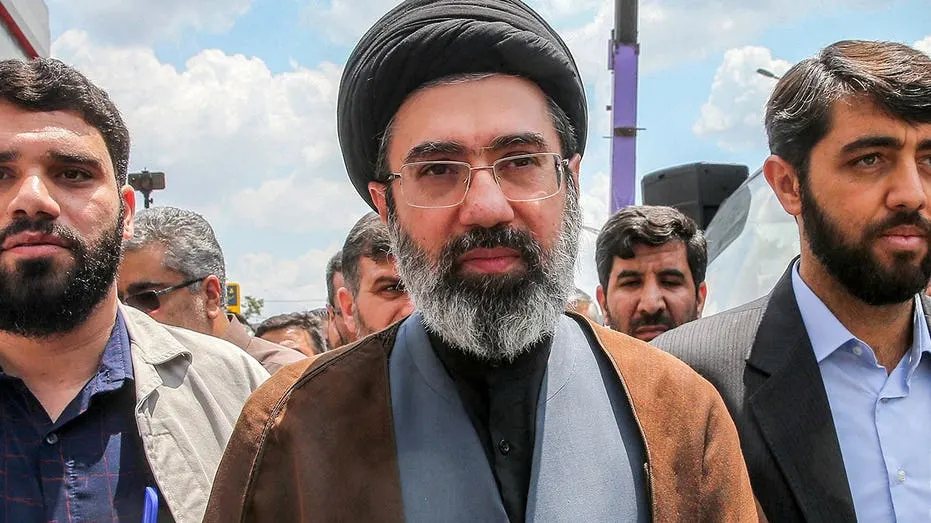
Iranian leaders said US midterm election results showed American voters rejected President Donald Trump’s war with Iran and its economic costs. Their comments matter because Tehran presented the Republican losses as evidence of weakening US support for the conflict, while Iran’s Supreme Leader signalled resistance to negotiations on terms he characterised as surrender.
Democrats won control of Congress, and Trump acknowledged the war partly contributed to Republican losses; Vice President JD Vance said, “The reason we lost is the war.” The conflict had lasted more than eight months, despite Trump’s initial estimate of four to six weeks, and disruptions to the Strait of Hormuz, which carried about a fifth of global oil and gas supplies before the war, pushed up energy and other costs. Iranian officials also claimed the results vindicated Tehran, though the article notes the war was not the only issue influencing voters.
In short
- Iran cast Republican election losses as a rejection of the war.
- The conflict lasted more than eight months, beyond Trump’s initial estimate.
- Higher energy costs tied the war to voters’ affordability concerns.
Steelman: both sides, in good faith
The strongest fair case each way — we don't pick a winner.
The case for
Iranian leaders can reasonably read the Republican losses and Trump administration’s own comments as evidence that the war and its economic costs weakened domestic support for the conflict. With the fighting far exceeding its initial timetable and disruption to a major energy route raising costs, Tehran may see the results as strengthening its position and reinforcing the case against accepting terms it regards as surrender.
The case against
The election results do not establish that voters rejected the war: the article notes that other issues also shaped their choices, and a midterm outcome cannot be treated as a direct vote on one policy. Iran’s claim of vindication may therefore overstate what the results show, while continued refusal to negotiate could prolong the conflict and its costs rather than reflect a clear mandate from American voters.
Explained simply
The United States and Iran have been at war for more than eight months. The fighting has disrupted shipping through the Strait of Hormuz, a key route for global oil and gas, contributing to higher energy costs.
Donald Trump is the US president, and Iran’s Supreme Leader is the country’s highest authority. The two governments have sharply different positions on ending the conflict: Tehran has resisted negotiations on terms its leader describes as surrender.
US midterm elections decide which party controls Congress, the legislature that works alongside the president. Voters weigh many issues, so the election result alone does not show how much support for the war has changed.
Americas Elections Government Middle East Politics World