World news and discussion on TalkFuse.
Iran War Prices Drove Most Of Europe’s Surge In American Energy Buying
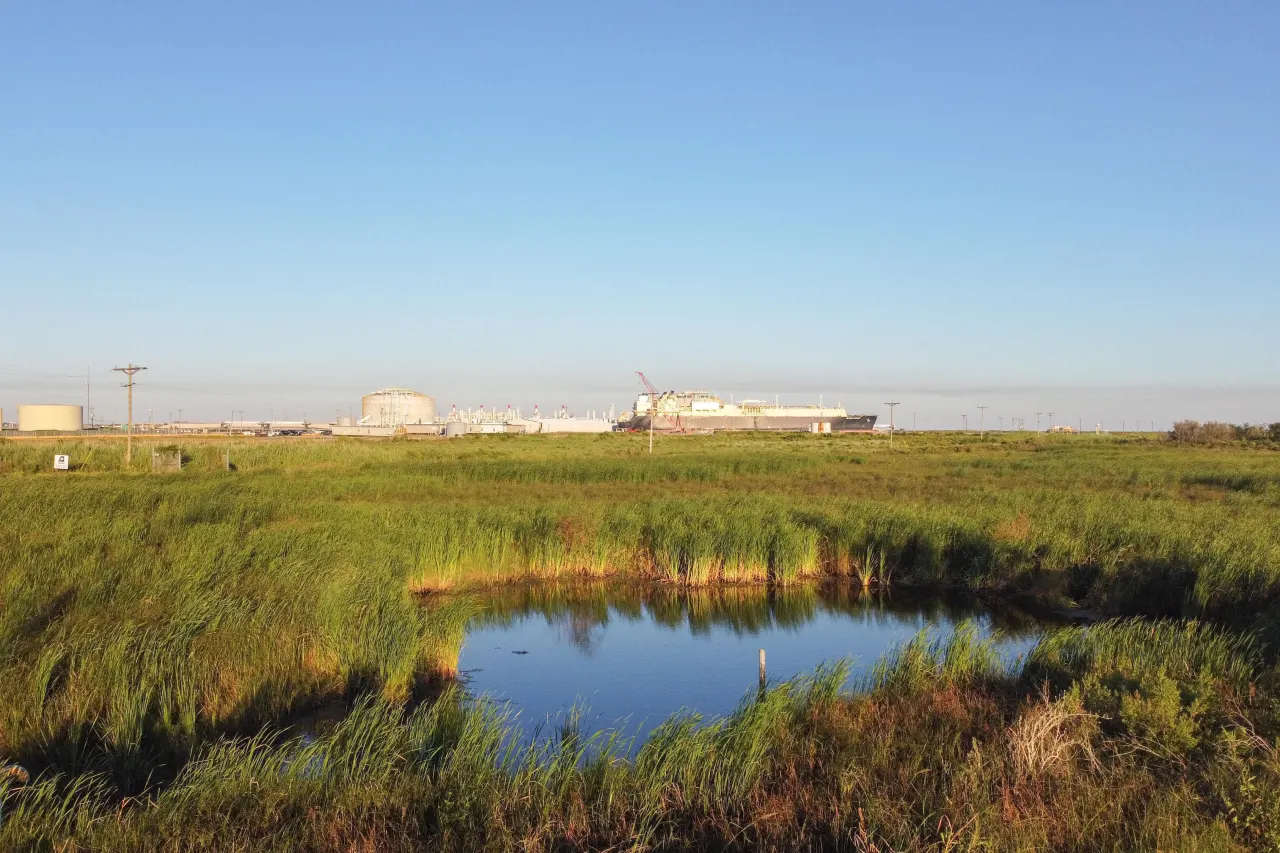
European Union spending on American energy rose by nearly 38 per cent to about $82 billion in January to September 2026, but higher prices drove most of the increase. The surge matters because it reflects the Iran war’s disruption to energy supplies and Europe’s effort to replace Russian gas.
EU fuel import prices averaged about 23 per cent higher than a year earlier, while volumes rose about 12 per cent; an analysis attributed roughly two-thirds of the larger bill to price rises. US crude oil exports to the EU increased nearly 20 per cent to about 1.8 million barrels a day through August, but LNG shipments were almost unchanged at 1,989 billion cubic feet. The article says the Strait of Hormuz disruption curtailed global LNG supply, while US LNG shipments to Asia more than doubled.
In short
- EU spending on US energy rose nearly 38 per cent.
- Higher prices accounted for most of the increase.
- EU LNG volumes from the US barely changed.
Steelman: both sides, in good faith
The strongest fair case each way — we don't pick a winner.
The case for
The higher bill reflects a real vulnerability: disruption linked to the Iran war has made energy supplies more costly, while Europe is still replacing Russian gas. Buying more US oil and maintaining LNG imports can help keep supply flowing and reduce reliance on Russia, even if most of the spending increase came from prices rather than larger volumes.
The case against
The figures suggest the surge in spending should not be mistaken for a comparable expansion in energy supply: prices explain about two-thirds of the increase, and EU LNG shipments from the US were almost unchanged. With US LNG redirected towards Asia amid the Hormuz disruption, greater dependence on American energy may leave Europe exposed to global price shocks without securing substantially more fuel.
Explained simply
The European Union imports energy from the United States, including crude oil and liquefied natural gas (LNG), which is gas cooled into liquid form for transport by ship. EU countries have also been reducing their reliance on Russian gas since Russia’s invasion of Ukraine in 2022.
The Iran war has disrupted energy supplies and raised prices. The Strait of Hormuz, a key route for oil and gas shipments, has been affected; when supplies tighten, buyers in Europe and elsewhere may face higher costs.
Energy prices and the amount imported both shape Europe’s spending. The distinction matters because a larger bill can reflect more fuel being bought, higher prices, or a combination of the two.
Americas Europe Middle East Politics World