World news and discussion on TalkFuse.
Iran warns of severe retaliation after Trump threatens regime’s destruction
Developed over time first seen 2 months ago
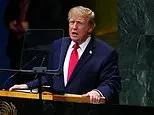
Trump threatened Iran at the UN, saying he could either make a deal or "annihilate the Islamic Republic." Iran rejected this as propaganda and warned of severe retaliation against any US attack. Despite the hostile rhetoric, Trump then reported having a "very good meeting" with Iranian representatives and scheduled further talks, suggesting a diplomatic pathway may still exist even as both sides trade threats.
Trump accused Iran's regime of killing over 72,000 citizens this year, including 10,000 in recent protests. Iranian Foreign Minister Abbas Araghchi met with Trump's envoy Steve Witkoff and Jared Kushner at the UN, where Iranian President Masoud Pezeshkian arrived to address the General Assembly for the first time since US-Israeli strikes seven months ago. Oil prices fell following the diplomatic talks, with Brent crude and West Texas Intermediate dropping to $98.91 and $89.93 per barrel respectively, whilst the Strait of Hormuz remains closed and Saudi Arabia prepared to restart oil exports through its East-West Pipeline.
- Sources
- 2
- Outlets
- 2
- Left · Centre · Right
- 0 · 1 · 1
In short
- Trump threatens annihilation; Iran vows crushing retaliation
- Despite threats, both sides held productive meeting with future talks scheduled
- Oil prices fall as diplomatic channel emerges amid regional conflict
How this story developed
- 2 months ago New details indicate Iranian Foreign Minister Abbas Araghchi met US envoy Steve Witkoff and Jared Kushner at the UN, while President Masoud Pezeshkian arrived in New York for his first address since US-Israeli strikes.
- 2 months ago Iran has condemned Donald Trump’s threat to “annihilate” the Islamic Republic, calling it propaganda and warning that any US attack could provoke severe and unpredictable retaliation.
- 2 months ago Trump threatened Iran at the UN, saying he could either make a deal or "annihilate the Islamic Republic." Iran rejected this as propaganda and warned of severe retaliation against any US attack.
Where outlets differ
Centre outlets 1
Only here: annihilate, speech
Right-leaning outlets 1
Only here: warns, severe, retaliation, regime, destruction
Every side used: trump, threatens, iran
Headline columns compared word for word; nothing in them is AI-written.
Steelman: both sides, in good faith
The strongest fair case each way — we don't pick a winner.
The case for
Iran's consistent support for regional proxies and weapons development necessitates credible deterrence; threatening severe consequences for further escalation serves vital security interests and protects American allies in the region. That diplomatic channels remain open indicates these warnings are not meant to preclude negotiation but rather to establish firm boundaries from which serious talks can proceed—a tested diplomatic approach where strength and dialogue reinforce one another.
The case against
Threats of regime destruction or obliteration inevitably harden positions and make meaningful compromise impossible, particularly when matched by reciprocal threats from Iranian leaders. The economic disruption already visible—closure of critical shipping lanes and energy market volatility—harms all parties including American allies, suggesting that de-escalatory rhetoric prioritising genuine diplomatic engagement would better serve long-term security and stability interests.
Explained simply
Iran and the United States have a long-running dispute over Iran’s nuclear programme, regional influence and US sanctions. Iran’s government, led by President Masoud Pezeshkian, says it has the right to pursue its interests, while Washington has sought limits on Tehran’s activities and broader changes in its policies.
The tensions have also involved Israel and armed groups allied with Iran across the Middle East. The Strait of Hormuz, a vital route for global oil shipments, is particularly important because disruption there could affect energy supplies and prices worldwide.
The main figures in the talks include Iran’s foreign minister Abbas Araghchi and US officials Steve Witkoff and Jared Kushner. Any agreement would need to address security concerns, Iran’s nuclear work and the economic pressure created by sanctions, while reducing the risk of further military confrontation.
Coverage · 2 sources
Bias meters
From 2 rated sources.
Americas Geopolitics Middle East Politics World
Read the full article at the source →
Originally published by Daily Mail as “Iran warns it is ready to ‘inflict crushing blows’ on US after Trump threatened to ‘annihilate’ regime in UN speech”.