Iranian ‘ghost fleet’ filmed evading US blockade en route to China, UANI says
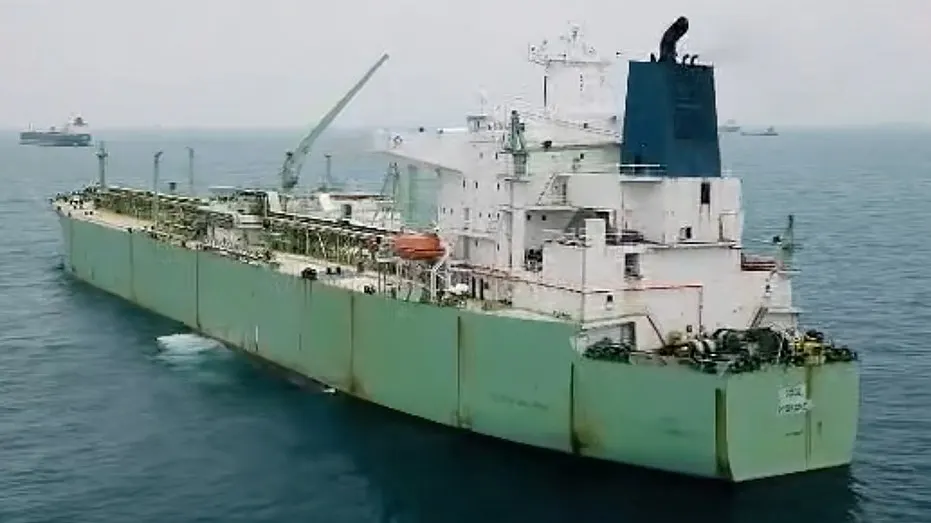
Investigators from United Against Nuclear Iran (UANI) say small tankers carrying Iranian liquefied petroleum gas have evaded a US naval blockade and delivered cargo to China. The group says its covert footage of one vessel shows how sanctioned energy exports continue through offshore shipping networks, despite restrictions intended to curb Iran’s revenue.
UANI identified the tanker as the SOGL, which it says left Iran on 1 September with about 500,000 barrels of LPG, received services at an anchorage off Malaysia and later discharged its cargo in China. The group reported at least nine small tankers carrying Iranian oil or LPG have breached the blockade since it was reinstated on 14 July. It says no Iranian crude oil exports have succeeded during that period, while the Malaysian Eastern Outer Port Limits Anchorage, about 70 kilometres offshore, serves as a staging and transfer point.
In short
- UANI says the SOGL carried 500,000 barrels of Iranian LPG to China.
- The tanker reportedly used an offshore anchorage near Malaysia.
- UANI says nine small tankers have breached the blockade since July.
Steelman: both sides, in good faith
The strongest fair case each way — we don't pick a winner.
The case for
Supporters of the blockade argue that restricting Iranian energy exports can reduce revenue available to the government and reinforce pressure to comply with international restrictions. They may see enforcement against covert shipping networks as necessary to prevent sanctions being undermined, while treating reported LPG deliveries as evidence that enforcement needs to be strengthened.
The case against
Critics may argue that a naval blockade and broad restrictions risk escalating tensions, disrupting lawful maritime activity and imposing costs beyond the Iranian government. They may also question whether measures that drive trade into opaque networks achieve their aims, and favour diplomacy or more targeted enforcement over expanding maritime pressure.
Explained simply
The United States uses sanctions to restrict Iran’s ability to sell energy abroad and raise money. A naval blockade is a separate measure that seeks to stop ships carrying certain cargoes, though vessels can try to avoid detection or enforcement.
Iranian oil and liquefied petroleum gas (LPG), a fuel used for heating and cooking, are shipped by tankers. Some operators use networks of vessels and offshore anchorages, where ships can wait or transfer cargo, to make a shipment’s origin or route harder to track.
The United Against Nuclear Iran (UANI) is a group that campaigns for tougher measures against Iran; its account of the shipments is an allegation by the group. The issue matters because successful exports could bring Iran revenue despite restrictions, while efforts to stop them involve enforcement at sea and can affect international shipping and trade.
Americas Asia Business Entertainment Film Geopolitics Markets Middle East Paranormal Politics Weird & Viral World