Politics news and discussion on TalkFuse.
Iranian leaders say midterm results show U.S. voters have rejected Trump’s war
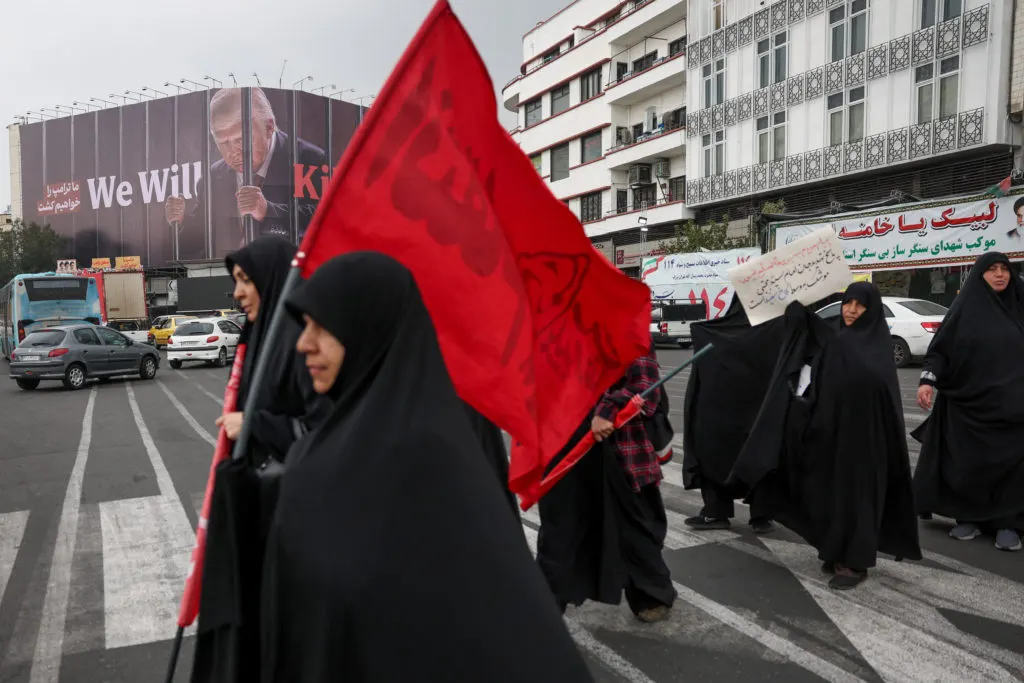
Iranian leaders portrayed the US midterm results as a rejection of President Donald Trump’s war with Iran, after Democrats won control of both chambers of Congress. Their comments came as regional governments and the public watched for signs of whether the result might affect US policy or the risk of renewed fighting.
Supreme Leader Ayatollah Mojtaba Khamenei said he did not expect a change in Washington’s approach, while negotiator Mohammad Bagher Qalibaf said Americans had voted against war. Talks to prevent renewed conflict are continuing, but clashes have persisted in southern Iran and near the Strait of Hormuz. The war, which began more than eight months ago, has damaged Iran and rattled the global economy; in Tehran, demonstrators also marked the anniversary of the 1979 US Embassy takeover.
In short
- Democrats won control of both chambers in the US midterms.
- Iranian leaders called the result a rejection of the war.
- Talks continue as clashes persist near the Strait of Hormuz.
Steelman: both sides, in good faith
The strongest fair case each way — we don't pick a winner.
The case for
The result can reasonably be read as a public rebuke of Trump’s war: voters handed Democrats control of Congress while the conflict continued to damage Iran and unsettle the global economy. On this view, the outcome may signal that Americans want greater restraint and could put pressure on the administration to pursue talks rather than renewed fighting.
The case against
An election result does not by itself establish why voters chose as they did, or amount to a clear mandate on Iran policy. As Khamenei acknowledged, Washington’s approach may not change: clashes continue, negotiations remain unresolved, and the new congressional balance may not be enough to alter the administration’s course.
Explained simply
The United States and Iran have been in conflict for more than eight months, with fighting damaging Iran and disrupting trade and energy supplies. The Strait of Hormuz, a narrow passage used by ships carrying oil and other goods, is a key concern for countries across the region and beyond.
In the US, midterm elections decide who holds seats in Congress, which makes federal laws and can scrutinise the president’s actions. Iran’s Supreme Leader, Ayatollah Mojtaba Khamenei, and negotiator Mohammad Bagher Qalibaf are senior figures in its government; their comments reflect different views on what the election result may mean.
Governments are watching whether the vote could affect US policy or efforts to prevent fighting from starting again. Talks continue alongside clashes, leaving uncertainty about the conflict’s course and its wider economic effects.
Elections Government Middle East Politics World