World news and discussion on TalkFuse.
Iranians are escalating attacks on Strait of Hormuz because they believe they can force Trump into a deal: experts
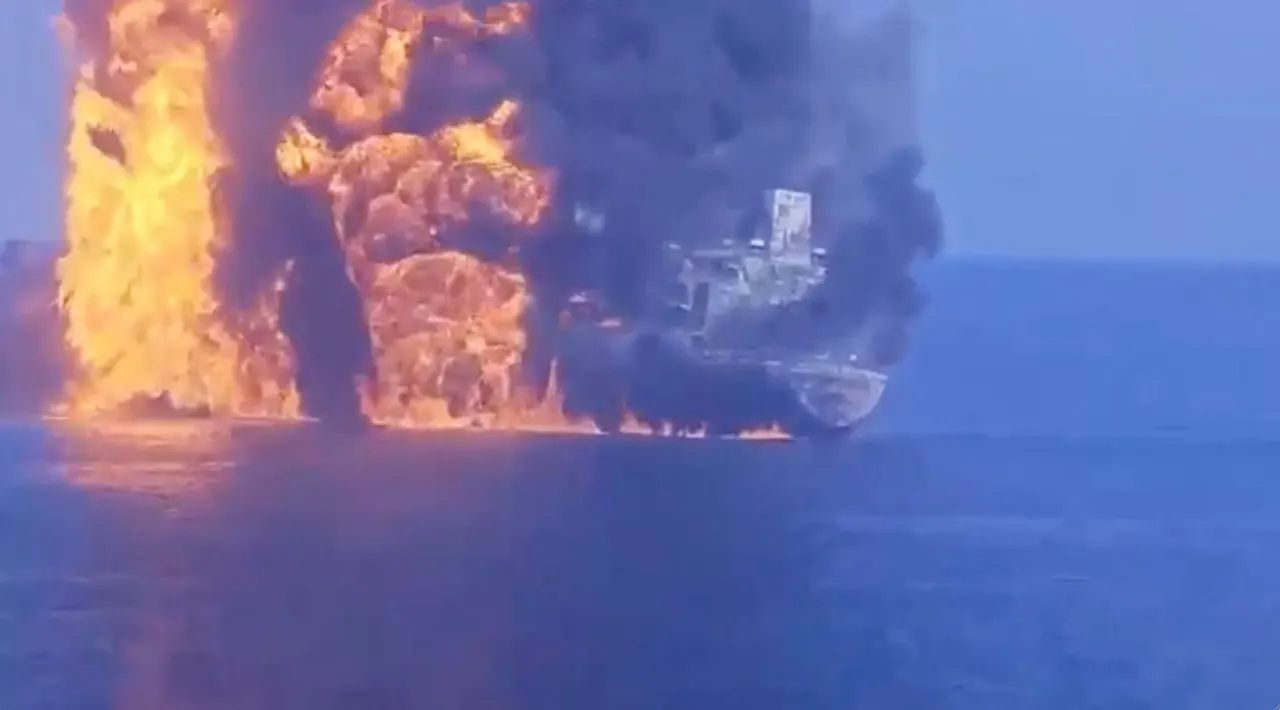
Iran has intensified attacks on tankers in the Strait of Hormuz and on US bases in Bahrain and Kuwait, apparently seeking to challenge the current deadlock and push Washington towards a deal or renewed action. Analysts say Tehran may be taking greater military risks as economic pressure grows, while signalling that it can still threaten US partners in the Gulf.
Around 8 million barrels of oil a day are still leaving through the strait under US naval escort. The United Kingdom Maritime Trade Operations has confirmed at least six strikes in the past week, while Iran has claimed further attacks. Iranian negotiator Mohammad Bagher Ghalibaf said the country would not accept a prolonged state of “neither war nor peace”; experts also view the strikes as a warning that Iran has rebuilt its missile and drone capabilities.
In short
- Iran has stepped up attacks on tankers in the Strait of Hormuz.
- At least six strikes were confirmed in the past week.
- Analysts say Tehran is trying to break the deadlock with Washington.
Steelman: both sides, in good faith
The strongest fair case each way — we don't pick a winner.
The case for
Iran may see escalation as a way to break a deadlock that leaves it under mounting economic pressure while its adversaries retain military leverage. Supporters of this strategy could argue that demonstrating the ability to threaten shipping and regional bases raises the cost of ignoring Tehran and might bring Washington back to negotiations on terms Iran considers meaningful.
The case against
Escalation risks widening the conflict, endangering civilian shipping and Gulf states, and inviting a stronger military response that could further weaken Iran. Those who oppose the strategy could argue that attacks make trust and diplomacy harder to restore, while putting pressure on Iran’s neighbours and the global economy without assuring Tehran a better deal.
Explained simply
The Strait of Hormuz is a narrow waterway between Iran and the Arabian Peninsula, linking the Gulf to the open sea. It is a key route for oil exports, so disruption there can affect energy supplies and shipping well beyond the region.
Iran and the United States have long been at odds over Iran’s nuclear programme, sanctions and security in the Gulf. US forces are based in several Gulf states, including Bahrain and Kuwait, while Iran’s military includes missiles and drones that can threaten ships and nearby bases.
The Gulf states depend on the strait for trade and energy exports, and outside powers have an interest in keeping it open. Tensions can therefore draw in Iran’s neighbours and affect global oil markets, even when the immediate confrontation is between Tehran and Washington.