Business news and discussion on TalkFuse.
Iran’s deepest weakness is getting exposed through America’s maximum pressure campaign
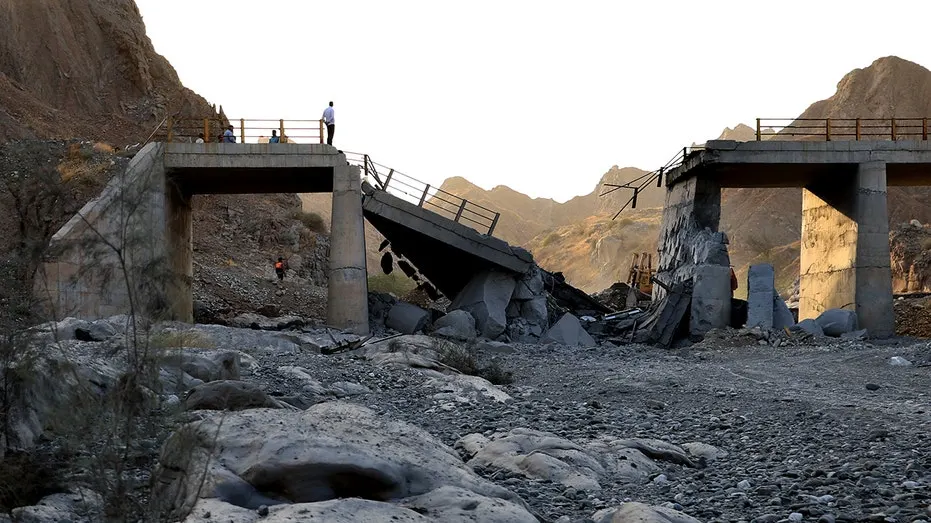
The United States has intensified its "maximum pressure" campaign against Iran, using economic sanctions to squeeze the regime's revenue and expose vulnerabilities within the Islamic Revolutionary Guard Corps (IRGC). The article, an opinion piece from Fox News, argues that President Donald Trump's approach offers a genuine opportunity to weaken Iran's pursuit of regional dominance and curtail decades of hostility towards core American interests, framing the current standoff as a pivotal moment after 47 years of tension between Washington and Tehran.
The US Treasury Department has introduced a series of new measures aimed at further restricting Iran's access to oil revenues, including sanctions targeting brokers in China, India and other countries who facilitate the sale of Iranian crude. The piece, written from a strongly pro-sanctions perspective, contends these financial pressures are beginning to reveal deep structural weaknesses within the regime, though it stops short of detailing specific outcomes or responses from Tehran.
In short
- US Treasury imposes new sanctions targeting Iran's oil revenue sources
- Sanctions hit Chinese, Indian and other third-country oil brokers
- Opinion piece argues pressure is exposing IRGC regime's core weaknesses
Steelman: both sides, in good faith
The strongest fair case each way — we don't pick a winner.
The case for
Proponents argue that sustained economic sanctions are a necessary tool for constraining Iran's nuclear programme and destabilising regional proxy networks whilst avoiding military conflict. They contend that financial pressure has historically proven effective at bringing Iran to the negotiating table, and that continued sanctions provide essential leverage for securing concessions on nuclear development, regional armed groups, and human rights compliance.
The case against
Opponents contend that maximum pressure campaigns inflict disproportionate hardship on ordinary Iranian citizens whilst strengthening hardline factions opposed to Western engagement, thereby reducing prospects for diplomatic progress. They argue that multilateral diplomacy, sustained dialogue, and narrowly targeted measures addressing specific security threats would more effectively promote stability and better align with international legal principles than unilateral economic coercion, which they believe may entrench nationalist sentiment and escalation risks.
Explained simply
Since Iran’s 1979 revolution, relations between Tehran and Washington have been marked by hostility, sanctions and disputes over Iran’s regional role and nuclear programme. The Islamic Revolutionary Guard Corps is a powerful part of Iran’s security forces and economy, with influence beyond the country’s borders.
US sanctions aim to limit Iran’s access to money and trade, including revenue from oil exports. Because some Iranian oil is sold through brokers in other countries, Washington has also targeted people and firms it says help arrange those sales.
The dispute matters because economic pressure can affect Iran’s government and its ability to fund state and security activities, while also shaping tensions across the region. The US and Iran have long disagreed over security and influence, and each side’s actions can affect other countries and global energy markets.
Business Economy Elections Geopolitics Middle East Politics World