Iran’s economy in crisis as US launches new sanctions campaign
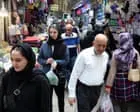
Iran's economy is in deep crisis as the United States launches a new sanctions campaign, "Operation Economic Outcast", against a backdrop of runaway inflation, a collapsing currency and fuel shortages that many Iranians already find overwhelming. The situation matters because it threatens to push millions further into poverty while raising the risk of social unrest, forcing the country's political leadership to weigh painful measures, such as cutting fuel subsidies, against fears of a repeat of the violent protests triggered by a 2019 petrol price rise.
Food prices have soared, with vegetable oil up 383% year-on-year, eggs up 294%, chicken up 177% and red meat up 148%, while annual inflation reached 84.4% in August. The rial has hit record lows against the dollar, households are cutting back on meat and medicine, and long queues formed at petrol stations in Tehran and Mashhad this week amid closures and panic buying. Officials have acknowledged that vested political interests are complicit in fuel smuggling, while the government has moved to restrict future poverty statistics, requiring security council approval before publication, as authorities increasingly frame domestic hardship as part of the wider confrontation with the US.
- US launches new sanctions as Iran's economy already reels from soaring inflation
- Food prices up sharply; currency at record lows against the dollar
- Fuel queues, subsidy fears and reduced transparency over poverty data
New here? Start with this
Iran’s economy has faced years of pressure from US sanctions, which restrict trade and access to international finance. The country also relies on government subsidies to keep essentials such as fuel affordable, and its leaders have long faced a choice between the cost of those subsidies and the hardship caused by reducing them.
The main players are Iran’s government, which sets economic policy and fuel prices, and the United States, which uses sanctions to put pressure on the Iranian state. Iranian households are affected through the cost and availability of food, medicine and fuel; past price rises have led to protests, making economic decisions a matter of public stability as well as government finances.
Both sides, in good faith
The strongest fair case each way — we don't pick a winner.
The case for
Supporters of the new sanctions campaign may argue that economic pressure can constrain Iran’s government and raise the cost of policies they see as threatening, without resorting to military force. They may view sanctions as a means to seek political change while signalling support for Iranians facing repression, and argue that pressure is justified if it is targeted and paired with humanitarian exemptions.
The case against
Critics may argue that broad economic pressure is worsening a crisis already driving up food and medicine costs, while the burden falls mainly on ordinary Iranians rather than political leaders. They may also contend that hardship and fuel shortages could deepen public anger and instability, and that sanctions risk strengthening the government’s narrative of foreign hostility while closing off diplomatic options.
Americas Business Culture Economy Elections Food Geopolitics Middle East Politics World