World news and discussion on TalkFuse.
Iran’s fuel rationing system reaches breaking point with hours-long lines, protests on eve of ‘Bloody November’
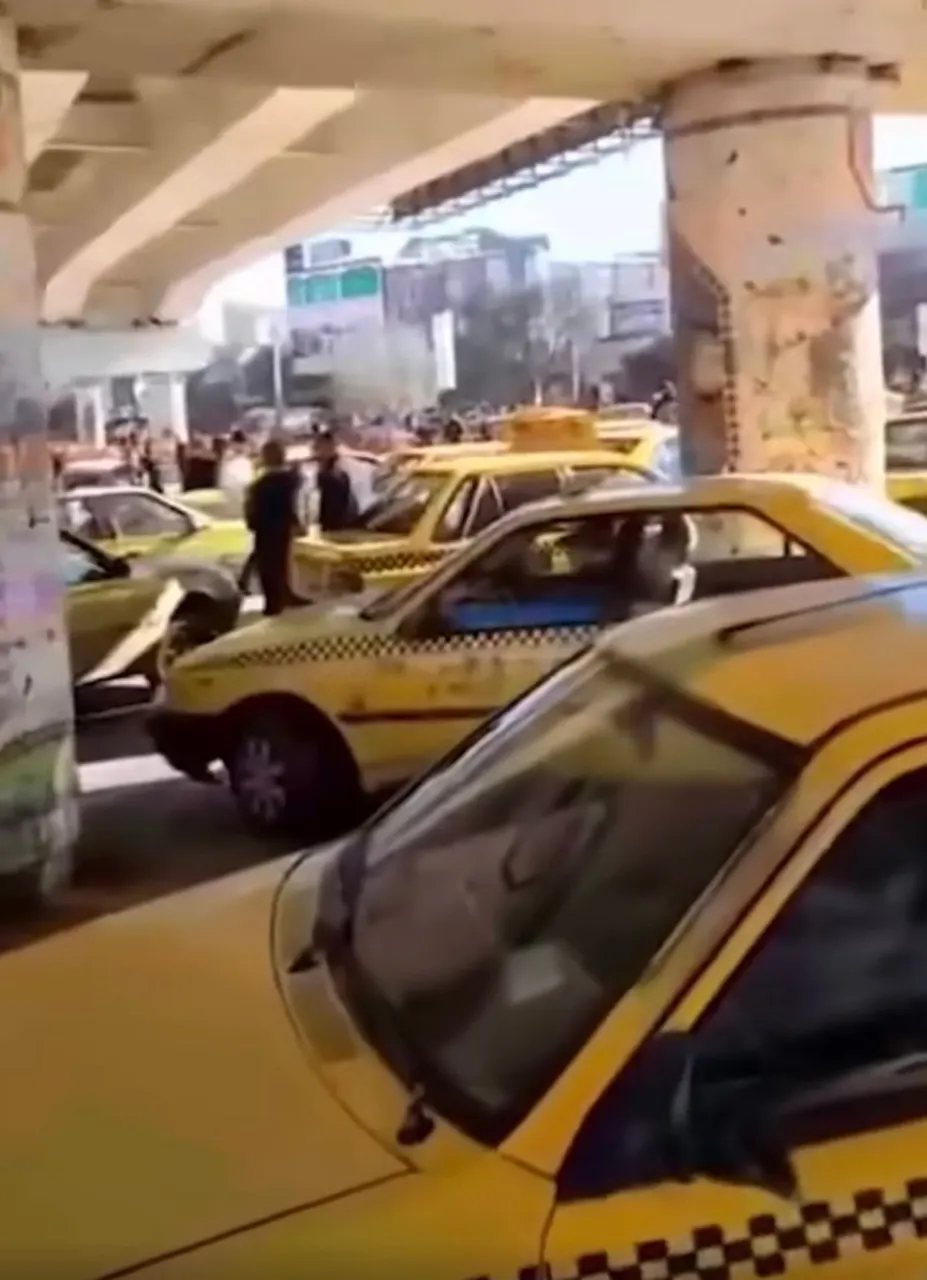
Motorists in several Iranian cities faced hours-long queues for petrol on Saturday, while taxi drivers in Ardabil protested by refusing to take passengers. The disruption comes as the rationing system struggles to meet demand and the country approaches the anniversary of the 2019 fuel-price protests, raising concern about renewed public anger.
Iran has limited each vehicle to 160 litres of subsidised petrol a month since the 2019 price rise, which increased the price of the first 60 litres by 50 per cent and subsequent fuel by 300 per cent. Until last month, drivers could use stations’ emergency cards to buy extra fuel at a higher price; since 1 November, those cards have been removed in more than a third of the country. A senior energy official acknowledged a supply problem, while the article attributes worsening shortages to economic strain, corruption and US sanctions and blockade measures.
In short
- Long petrol queues hit cities across Iran.
- Taxi drivers protested amid fuel shortages.
- Emergency fuel cards are being withdrawn.
Steelman: both sides, in good faith
The strongest fair case each way — we don't pick a winner.
The case for
Supporters of rationing could argue that limiting subsidised petrol helps manage constrained supply and public spending, while discouraging excessive consumption and imports. Removing emergency cards may be a difficult but necessary step if the existing system cannot reliably meet demand, though the disruption and higher costs for drivers show the need for clear communication and support for affected workers.
The case against
Critics could argue that queues and taxi drivers’ protest show the policy is failing to provide reliable access to an essential service and shifting the burden of shortages onto ordinary people. They may contend that restricting emergency purchases without adequate alternatives deepens economic hardship and risks renewing public anger, especially given the 2019 price rises and the article’s account of broader economic pressures.
Explained simply
Iran’s government subsidises petrol and rations how much drivers can buy at the lower price. The system was tightened after a sharp fuel-price rise in 2019, which helped trigger protests across the country.
Drivers could also buy extra petrol at a higher price using emergency cards at filling stations. Those cards have been withdrawn in many areas, while economic pressures and US sanctions have added strain to fuel supplies.
The anniversary of the 2019 protests is known as “Bloody November”, a reference to the deadly crackdown that followed. Fuel shortages matter because they affect daily travel and livelihoods, and changes to petrol prices have previously become a source of wider public anger.