Iran’s oil minister quits amid inflation and falling oil revenues
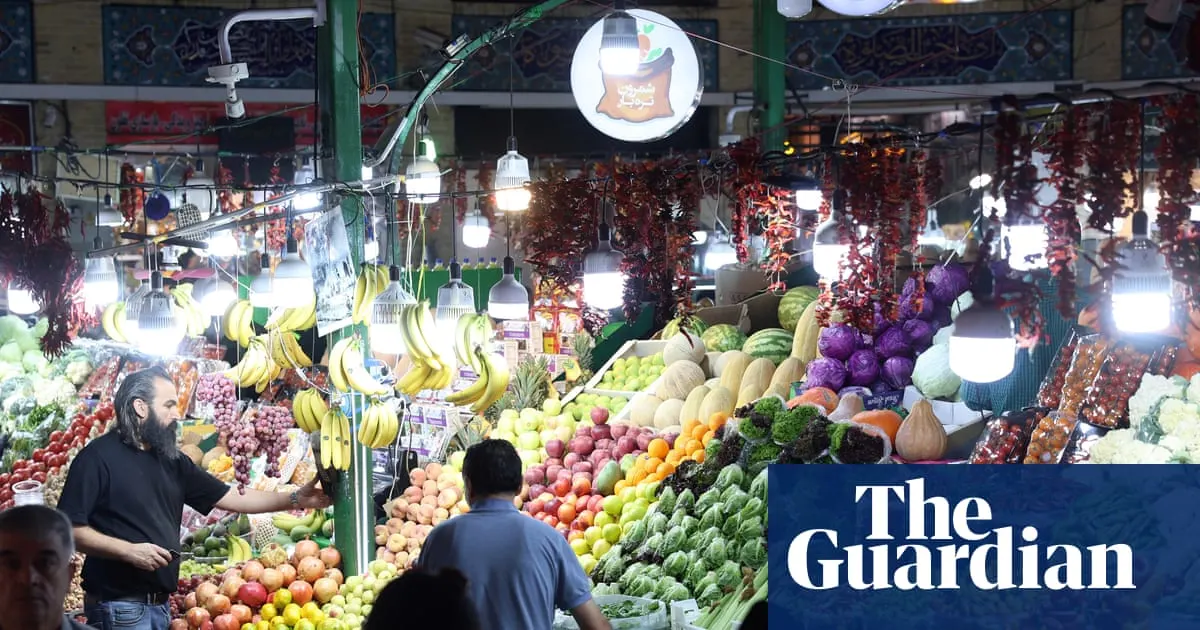
Iranian oil minister Mohsen Paknejad has resigned as the country faces soaring inflation, a shrinking economy and falling oil receipts. The departure also comes amid allegations that intermediaries handling overseas oil sales owe the state billions, raising questions about oversight and public confidence.
President Masoud Pezeshkian said he accepted Paknejad’s resignation, which was given for personal reasons. Iran’s rial has lost more than 10% of its value in a month, inflation is reported at 85% and food inflation at 130%; the economy contracted by 10% in the first three months of the year. A newspaper alleged an intermediary trust owed the National Iranian Oil Company nearly $2bn, prompting a parliamentary inquiry, while a US naval blockade has restricted oil sales and foreign currency earnings.
- Iran’s oil minister has resigned amid a worsening economic crisis.
- Inflation is 85%, with food prices rising 130%.
- A parliamentary inquiry will examine alleged unpaid oil revenues.
New here? Start with this
Iran is struggling with a severe economic crisis that has eroded ordinary people's purchasing power. The country's currency, the rial, has weakened sharply, and inflation is running at around 85 per cent overall and 130 per cent for food, making basic goods increasingly unaffordable. The economy itself contracted by 10 per cent in the first quarter of 2026.
At the heart of Iran's problems is its dependence on oil exports for foreign currency, but revenues have fallen sharply. A US naval blockade has restricted Iran's ability to sell oil freely on international markets, cutting off a crucial source of income for the government.
Beyond these economic problems, there are also questions about oversight in Iran's oil sector. An investigation has raised allegations that intermediaries handling the country's overseas oil sales may owe the state billions of dollars, prompting inquiries into how the system is managed and whether all funds have been properly accounted for.
Both sides, in good faith
The strongest fair case each way — we don't pick a winner.
The case for
Iran's economy is fundamentally constrained by the US naval blockade that prevents oil sales, the country's primary revenue source. Without access to foreign markets, Iran cannot earn the hard currency necessary for economic stability regardless of domestic management. The resignation, whilst politically significant, addresses a symptom rather than the blockade that represents the core obstacle to recovery.
The case against
The alleged $2bn owed by intermediaries to the state exemplifies systemic governance failures and corruption that undermine Iran's economy. Economic recovery requires institutional reform, proper oversight of state enterprises, and efficient management of resources rather than attributing all problems to external pressures. Without addressing these internal weaknesses, even improved external conditions would fail to translate into genuine economic stability.
Art Business Culture Economy Government Middle East Politics World
Read the full article at the source →
Originally published by The Guardian as “Iran’s oil minister resigns as country’s economic crisis worsens”.