World news and discussion on TalkFuse.
Iraqi court sentences six French nationals to life in prison for joining IS
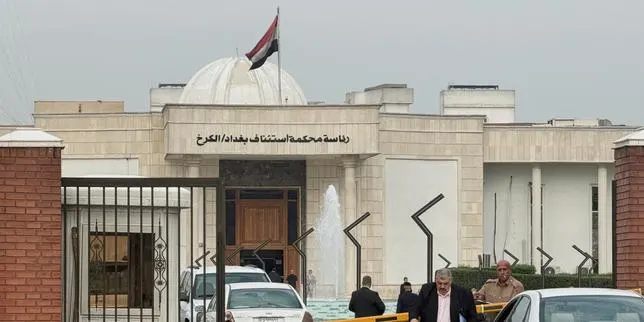
An Iraqi court in Baghdad sentenced six French nationals to life in prison on 18 November after convicting them of joining the Islamic State group. The verdicts add to a wider case involving French citizens transferred from Syria and raise questions about the prosecution and detention of foreign IS suspects in Iraq.
The six were among 47 French nationals transferred from Syria in 2025 and put on trial from September; ten others from the group had already received prison sentences. One of those sentenced on Wednesday was Thomas Barnouin, who told the court he travelled to Syria in 2014 believing it was a religious duty and was captured in 2017. In February, Iraq also received more than 5,700 suspected IS detainees from over 60 countries.
In short
- Six French nationals received life sentences in Baghdad.
- They were part of a group of 47 transferred from Syria.
- The case follows earlier sentences and a major transfer of IS detainees.
Steelman: both sides, in good faith
The strongest fair case each way — we don't pick a winner.
The case for
Iraq can argue that people who joined IS should face prosecution where they were captured or where evidence and victims are located, rather than avoid accountability because they are foreign nationals. Life sentences may be seen as a proportionate response to membership in an organisation responsible for grave violence, and as recognition of the threat posed by experienced members.
The case against
Critics can argue that transferring detainees to Iraq and imposing life sentences raises serious questions about fair-trial safeguards, access to effective legal representation and whether individual responsibility was adequately established. They may also contend that France and other countries should take responsibility for prosecuting their own citizens, where they can provide stronger guarantees of due process and humane detention.
Explained simply
The Islamic State group, also known as IS, took control of large areas of Iraq and Syria after expanding in 2014. It recruited people from many countries, including France, and was later driven from most of the territory it held.
Iraq is prosecuting people accused of joining IS, including foreign nationals held in Syria before being transferred to Iraq. The cases matter to the prisoners’ home countries as well as Iraq, because they raise questions about where suspects should be tried and how they should be held.