Politics news and discussion on TalkFuse.
Iraqi security forces deploy in Hezbollah stronghold under compromise deal
Developing story first seen 3 hours ago
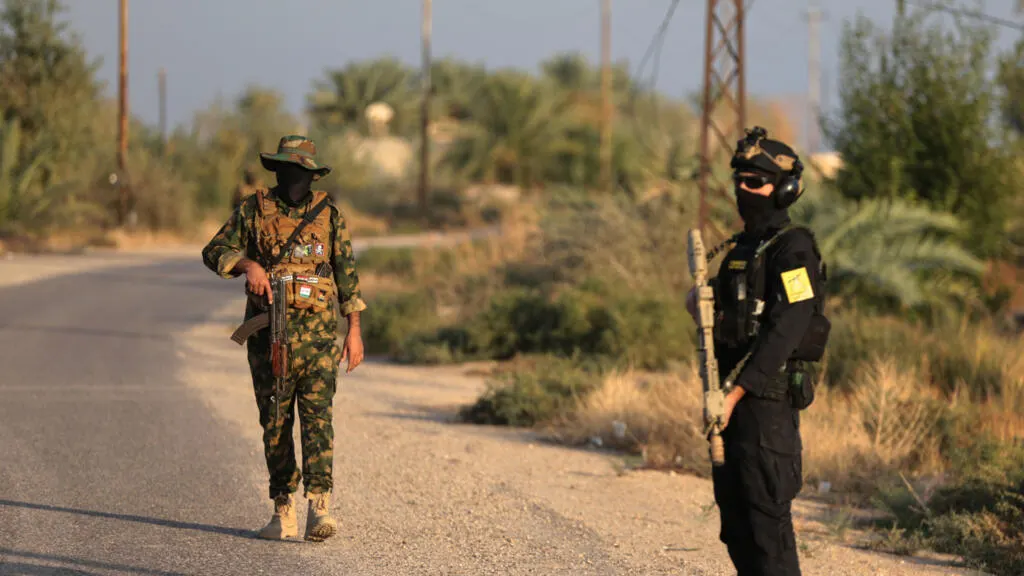
Iraqi security forces deployed in Jurf al-Sakhar on Friday under a deal intended to ease tensions with Kataib Hezbollah, an Iran-aligned armed group with a stronghold there. The deployment follows Prime Minister Ali al-Zaidi’s order to prepare action against the group over alleged oil smuggling, and may avert a direct confrontation.
Brokered by Shi’ite politicians, the deal is expected to see Kataib members withdraw to other parts of Iraq. Nine senior security and oil officials have been dismissed in an investigation into alleged smuggling from the area, about 50 km south of Baghdad; the group denies the accusations. Kataib Hezbollah has thousands of fighters and operates within the state-recognised Popular Mobilisation Forces, while often acting outside the government chain of command.
- Sources
- 3
- Outlets
- 2
- Left · Centre · Right
- 0 · 3 · 0
In short
- Security forces entered Jurf al-Sakhar under a compromise deal.
- Kataib Hezbollah members are expected to withdraw elsewhere.
- Nine officials were dismissed amid an oil-smuggling investigation.
How this story developed
- 34 minutes ago Iraqi security forces deployed in Jurf al-Sakhar under a compromise deal intended to ease tensions with Kataib Hezbollah, an Iran-aligned militia based in the area.
- 40 minutes ago Iraqi security forces deployed in Jurf al-Sakhar on Friday under a deal intended to ease tensions with Kataib Hezbollah, an Iran-aligned armed group with a stronghold there.
Steelman: both sides, in good faith
The strongest fair case each way — we don't pick a winner.
The case for
Supporters of the compromise can argue that deploying state forces and arranging the militia’s relocation reduces the risk of bloodshed while extending government control into an area where it has been limited. The dismissals also signal that alleged smuggling is being investigated, and a negotiated path may preserve room to pursue accountability without destabilising Iraq.
The case against
Critics can argue that bargaining with an armed group accused of smuggling, rather than promptly enforcing the prime minister’s order, risks weakening the rule of law and rewarding resistance to state authority. If relocation happens without disarmament or clear accountability, Kataib Hezbollah may retain its power while the government’s control remains largely symbolic.
Explained simply
Jurf al-Sakhar is a town about 50 kilometres south of Baghdad where Kataib Hezbollah, an Iran-aligned armed group, has a strong presence. The group is part of Iraq’s state-recognised Popular Mobilisation Forces, but it has often acted outside the government’s command.
Iraqi Prime Minister Ali al-Zaidi ordered preparations for action over alleged oil smuggling in the area. Kataib Hezbollah denies the allegations and has refused to disarm; it has thousands of fighters.
The deployment follows a compromise brokered by Shi’ite politicians, with the group expected to relocate some members elsewhere in Iraq. The dispute matters because it tests the government’s authority over armed groups and its ability to investigate alleged smuggling without sparking a direct confrontation.
Coverage · 3 sources
Bias meters
From 3 rated sources.
Government Middle East Politics World