World news and discussion on TalkFuse.
Is Europe finally ready to play hardball with Putin?
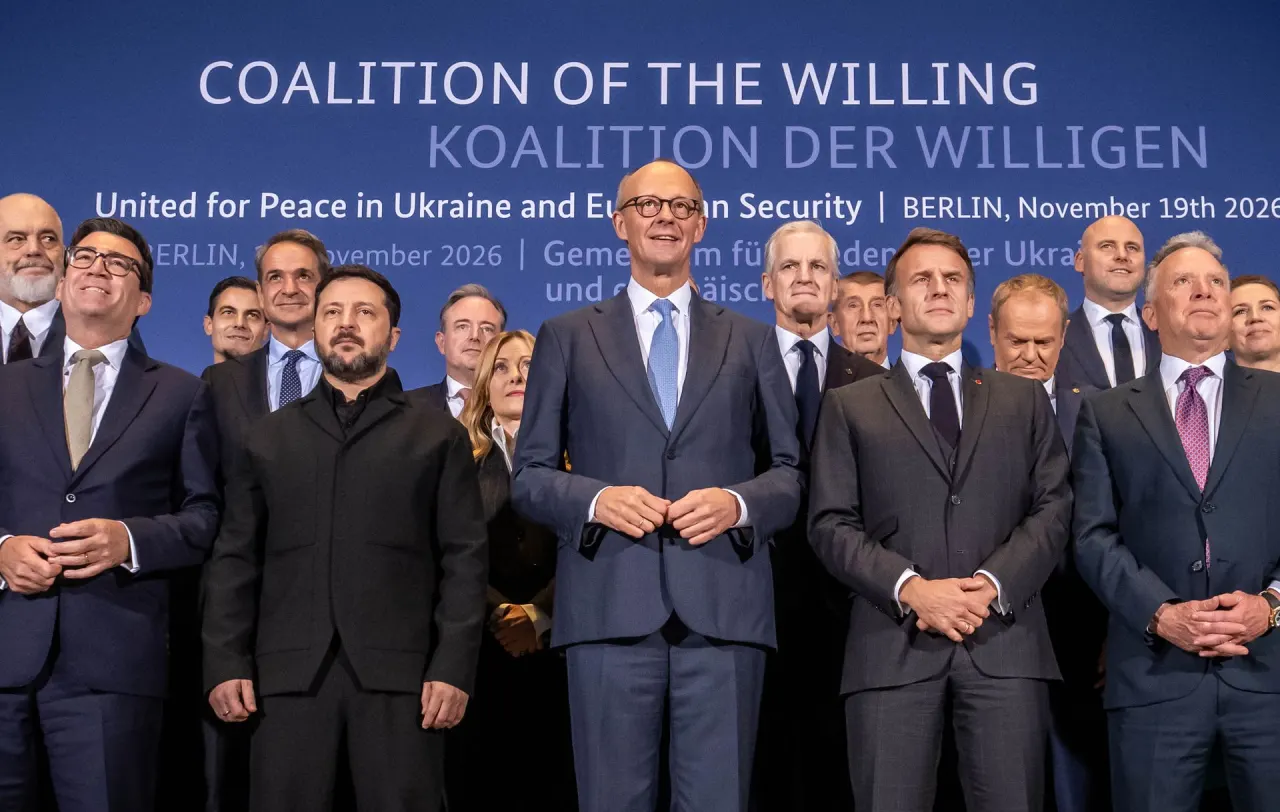
Europe is set to join future negotiations on Russia’s war against Ukraine, following a meeting of the Coalition of the Willing in Berlin. The article argues that securing a place at the table matters because Russia is demanding changes to Europe’s security arrangements, and European countries will need to act with a united position.
The proposed European representatives are the E5: Germany, France, the UK, Italy and Poland, alongside NATO and EU representatives; the next meeting’s date and format are not confirmed. The article says Putin’s demands remain maximalist, including no foreign troops in Ukraine, Ukrainian disarmament and neutral status, and argues Europe has reduced its reliance on Russian energy while strengthening its defence posture.
In short
- Europe is expected to join future Russia-Ukraine negotiations.
- The E5, NATO and EU would represent Europe.
- The article says Putin’s demands remain unchanged.
Steelman: both sides, in good faith
The strongest fair case each way — we don't pick a winner.
The case for
Europe has a direct stake in any settlement that reshapes its security, so it should have a seat at the negotiating table and speak with a united voice. Its reduced reliance on Russian energy and stronger defence posture may give it more room to resist demands that would leave Ukraine vulnerable or weaken European security.
The case against
Adding European governments and institutions to negotiations could make agreement harder if their priorities diverge or the process becomes more unwieldy. A settlement may also require difficult compromises, and a firmly unified European position could narrow negotiators’ flexibility or prolong the war if Russia sees little scope for an acceptable deal.
Explained simply
Russia’s war against Ukraine has become a wider security issue for Europe, whose governments fear the conflict could affect their own safety and the future shape of the continent. Negotiations concern not only the fighting, but also the rules and alliances that shape European security.
Germany, France, the UK, Italy and Poland are known as the E5; they are among the countries proposed to represent Europe in future talks, alongside the EU and NATO. Russia’s president, Vladimir Putin, has called for limits on Ukraine’s armed forces, its alliances and the presence of foreign troops there.
A united European position could affect how any agreement addresses Ukraine’s security and Europe’s role in the region. European countries have also been changing their energy supplies and strengthening their defence since Russia’s invasion.