Is it safe to use a USB-C laptop charger on your phone?
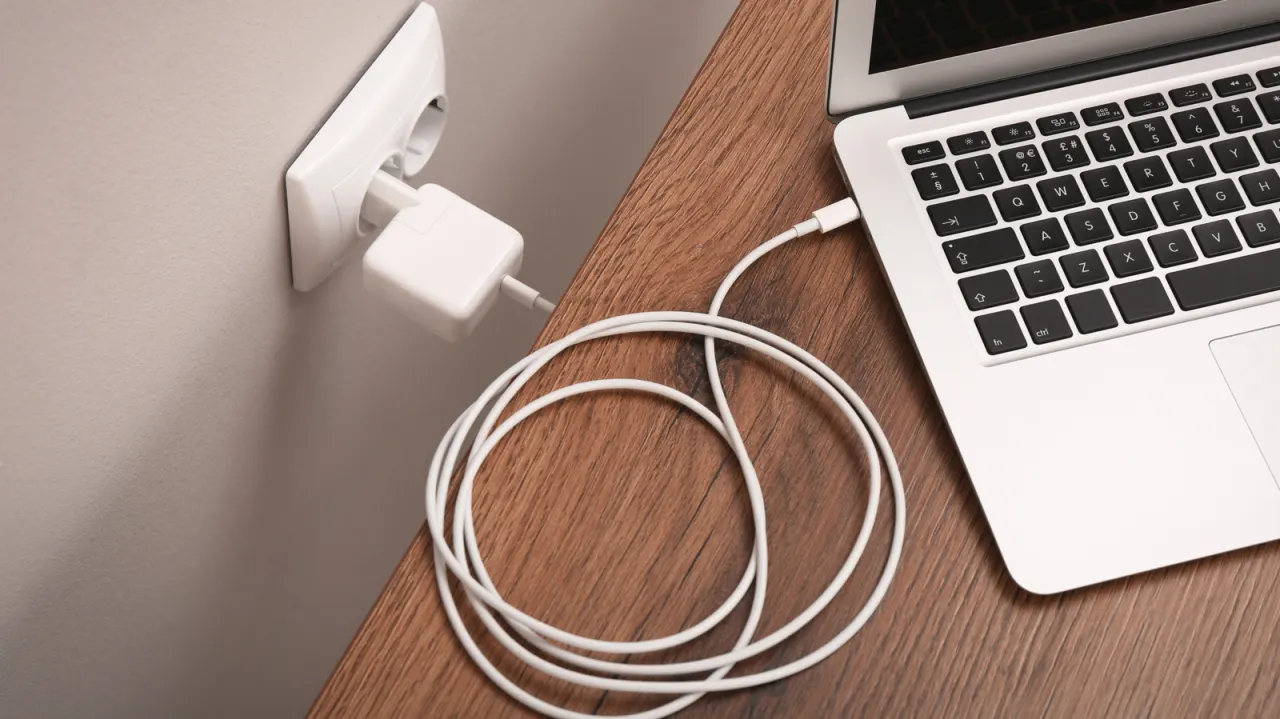
Using a USB-C laptop charger to top up a phone is generally safe, thanks to the USB Power Delivery (USB-PD) standard that governs how modern chargers and devices communicate before power is transferred. Rather than the charger forcing electricity into the phone, the device itself negotiates and "pulls" only the amount of power it can safely handle, meaning a high-wattage charger cannot overload or damage a phone's circuits. This matters because USB-C has become the near-universal standard across phones, tablets and laptops, so people increasingly mix and match chargers without a second thought.
The negotiation process kicks in automatically when both charger and phone support USB-PD, which covers most recent iPhones, Pixel and Galaxy devices, MacBooks and Windows laptops. Even without full compatibility, charging still happens safely, just more slowly: a USB-PD charger paired with a non-USB-PD phone defaults to a safe low output, while a non-USB-PD charger with a USB-PD phone caps at 5V/3A. Charging speed may improve with a laptop charger if the phone supports higher-voltage fast charging (Apple, for instance, requires a 20W-or-higher adapter), but phones will only draw the power they are rated for regardless of the charger's maximum wattage, so risks mainly arise from older devices, cheap accessories or damaged cables rather than the charger itself.
- USB-C laptop chargers are generally safe to use with phones
- Phones negotiate and draw only the power they need via USB-PD
- Older devices, cheap cables or damaged accessories pose the main risks
New here? Start with this
Using a USB-C laptop charger to charge a phone is something many people now do without thinking, because USB-C has become the standard connector across phones, tablets and laptops alike. The question of whether this is safe comes down to a behind-the-scenes system called USB Power Delivery, which allows a charger and a device to "talk" to each other before any electricity flows.
Rather than a powerful charger simply forcing a large amount of electricity into a phone, the phone itself controls the process, requesting only the amount of power it can handle safely. This applies to most modern phones, including recent iPhones, Samsung Galaxy and Google Pixel devices, as well as the laptops that come with USB-C chargers, such as MacBooks and many Windows machines.
Even when a charger and phone are not perfectly matched in capability, the systems involved default to lower, safer power levels rather than risking damage. This background matters because it explains why mixing and matching chargers has become common practice, and why any risks tend to stem from older equipment, poor-quality accessories or damaged cables, rather than from the charger's power rating itself.