Is Russia’s rival to Starlink failing? Here’s what we know.
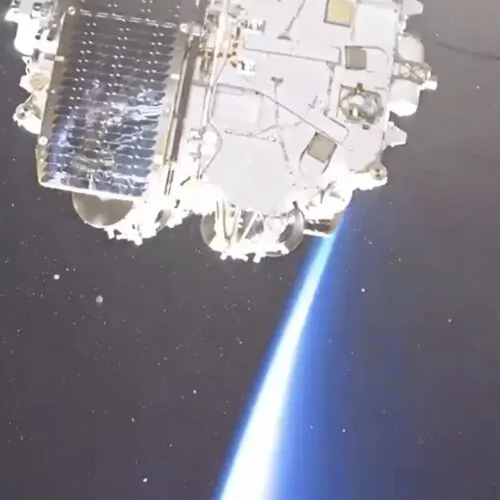
Russia's Rassvet satellite constellation, positioned as a domestic rival to SpaceX's Starlink, appears to be struggling in its early stages, with at least three of the first 32 satellites likely having failed outright and several more showing signs of trouble. The programme, run by Bureau 1440, aims to launch around 300 satellites by the end of next year and 924 by 2035 to provide military and civilian connectivity, but none of the satellites launched so far have reached their intended operational orbit.
Two launches, in March and July, put 32 Rassvet satellites into low-Earth orbit, yet none have climbed to the planned 500-mile altitude, with the highest reached so far just over 300 miles. Analysis from the Institute for the Study of War and independent trackers suggests one March-launched satellite has already reentered the atmosphere, two more from that batch have stalled, and several from the July launch have either stopped manoeuvring or appear headed for reentry. While some early failures are typical for new satellite programmes, as seen with SpaceX's own Starlink prototypes, it remains unclear whether Russia's satellites are malfunctioning or if officials have deliberately altered their orbital plans.
In short
- Russia's Starlink rival Rassvet suffers at least three satellite failures early on
- None of 32 launched satellites reached their planned 500-mile orbit
- Unclear if problems are technical faults or a deliberate orbit change
Steelman: both sides, in good faith
The strongest fair case each way — we don't pick a winner.
The case for
The apparent problems are concerning because none of the 32 satellites has reached its intended orbit, and tracking suggests several may have failed or lost the ability to manoeuvre. If those signs reflect technical faults, they could undermine confidence in Russia’s ability to scale the network on its ambitious timetable for military and civilian use.
The case against
Early satellite programmes can experience failures, and the available tracking does not establish that every apparent anomaly is a malfunction; officials may also have changed the orbital plans. Rassvet is still at an early stage, so judging the programme’s prospects from its first 32 satellites may be premature, just as early Starlink prototypes also encountered failures.
Explained simply
Low Earth orbit is the region relatively close to Earth where satellites can provide communications with less delay than older systems in higher orbits. A large constellation—many satellites working together—can extend coverage across wide areas, but each satellite must reach and maintain its planned orbit to serve reliably.
Russia’s Rassvet programme is being developed by Bureau 1440 as a domestic satellite internet network, with possible military as well as civilian uses. SpaceX’s Starlink is the best-known example of this kind of network, and Russia’s plans reflect a wider effort by countries to build their own communications infrastructure.
The programme’s ambitions depend on launching many satellites and operating them as a coordinated network. Its progress matters because satellite connectivity can support communications where ground-based networks are limited, while the scale and reliability of a constellation affect whether it can provide sustained service.
Celebrity Entertainment Europe Space Technology World