Technology news and discussion on TalkFuse.
Mac mini suits personal local AI use where memory matters more than speed
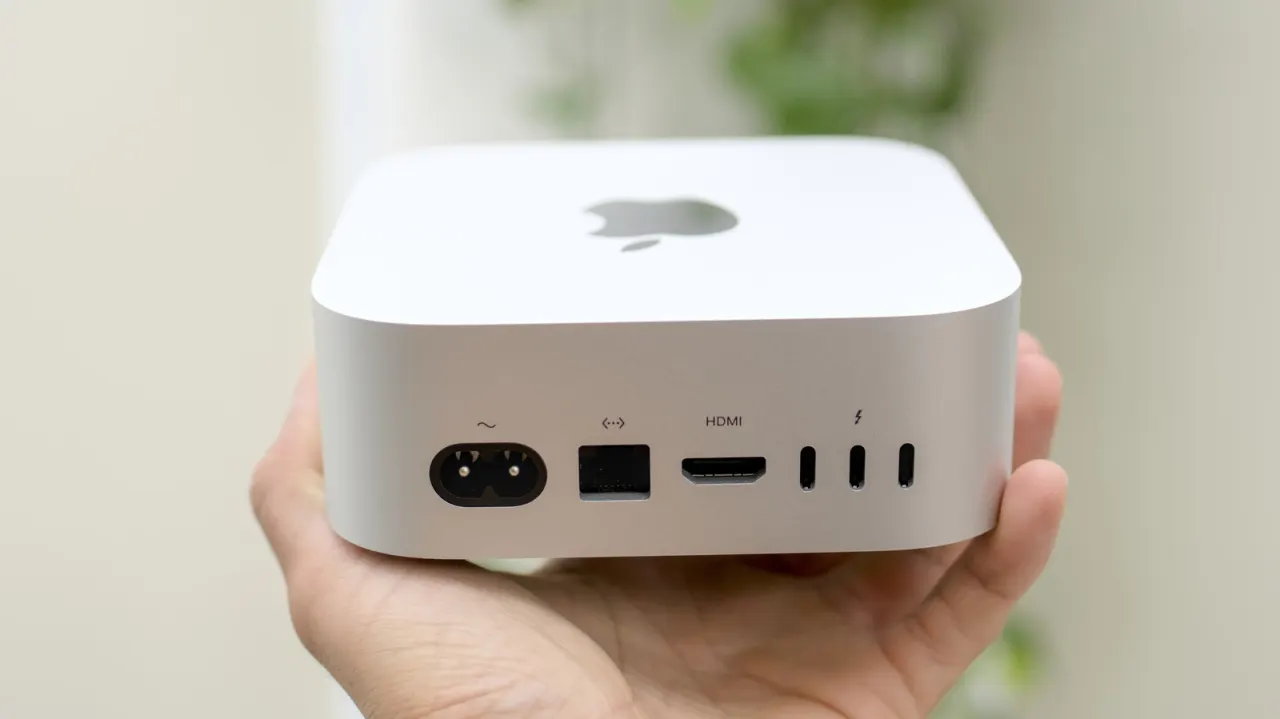
The Mac mini can be a good value for running some AI models locally, especially when fitting larger models into memory matters more than speed. Local AI can offer more control over data and avoid cloud subscriptions or token limits, but the Mac mini is better suited to personal use and experimentation than demanding workloads.
An M5 Pro model offers up to 64GB of unified memory, compared with 16GB of VRAM on an Nvidia RTX 5080, though its memory bandwidth and processing power are lower. In a llama.cpp test with Llama 2 7B (Q4_0), it generated about 67 tokens per second, versus roughly 185 for the RTX 5080. Apple rates the Mac mini’s maximum power consumption at 145W, compared with 360W for the graphics card alone; memory cannot be upgraded later, so buyers should consider model sizes, storage and software compatibility.
In short
- Mac mini memory can fit some models that exceed a GPU’s VRAM.
- An RTX 5080 was much faster in the cited benchmark.
- Mac mini suits modest local AI use, with lower power consumption.
Explained simply
Running AI models locally means using AI software on your own computer rather than sending requests to remote servers run by companies such as OpenAI or Google. People choose this approach to keep their data more private and to avoid monthly subscriptions or usage limits set by online services. The size of model a computer can run depends heavily on how much memory it has, and a model that does not fit cannot run properly.
The story compares Apple's Mac mini, a small desktop computer, with a graphics card made by Nvidia, whose products are widely used for AI work. The top configuration of the M5 Pro Mac mini offers up to 64GB of memory shared between its processor and graphics, while the Nvidia RTX 5080 has 16GB of its own dedicated memory. The graphics card generates text much faster in the tests described, but it draws far more power, and the Mac mini's memory cannot be upgraded after purchase.
The right choice depends on what the user needs. Speed matters most for demanding professional work, while memory capacity can matter more for people who want to try larger models at home. Buyers also need to consider storage and whether the software they plan to use works on the hardware.
Read the full article at the source →
Originally published by Engadget as “Is the Mac mini a good pick for local AI?”.