Culture news and discussion on TalkFuse.
Is the ‘no wars’ president about to start another one?
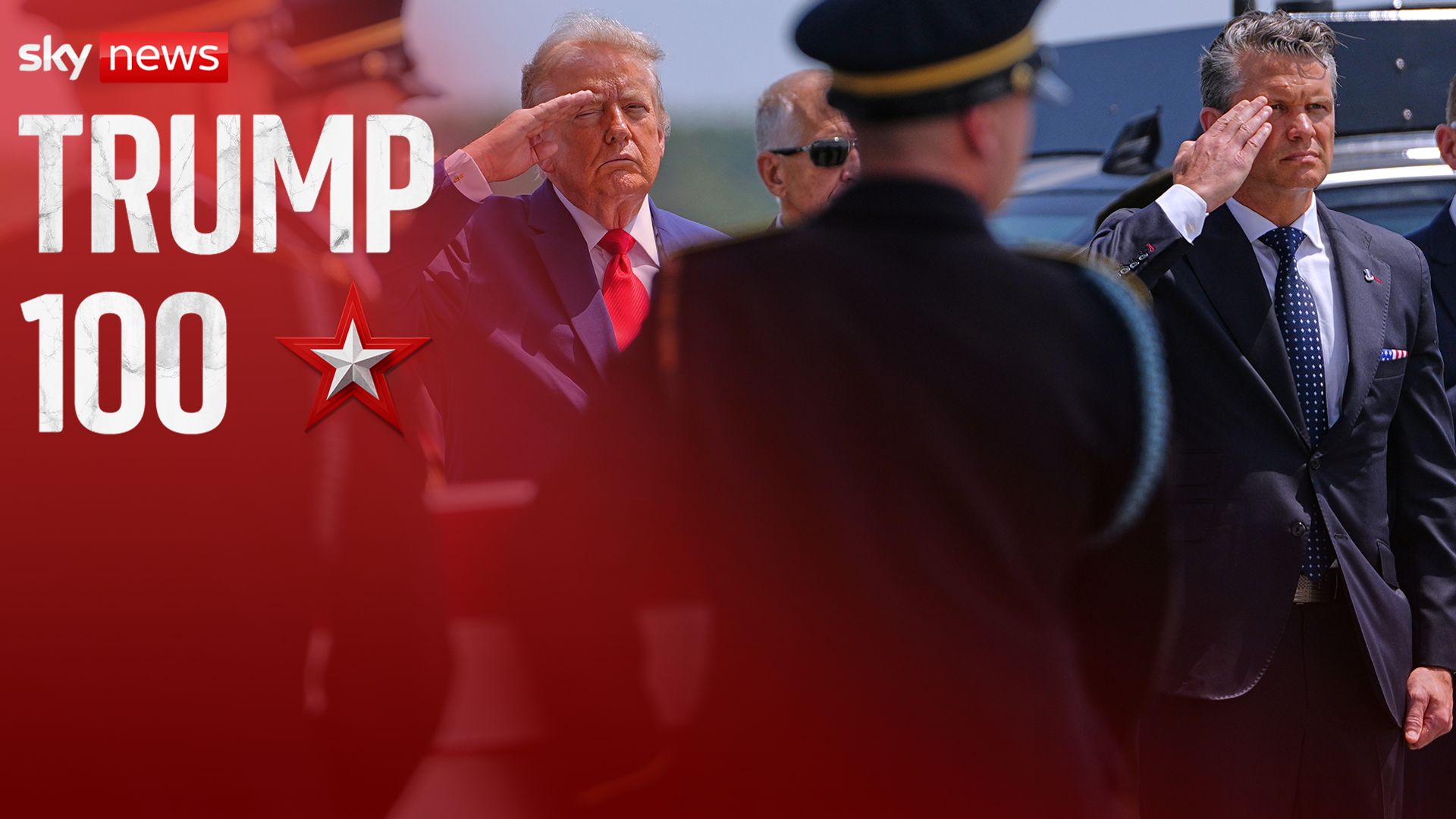
The article examines whether Donald Trump, who has presented himself as a president opposed to new wars, may significantly escalate the US conflict with Iran. It matters because a larger attack could deepen an already costly regional war, increase risks to US personnel and shipping, and further test his domestic political support.
Trump was reported to be close to deciding on a “massive” attack after roughly 12 days of intensified US strikes aimed at stopping Iranian attacks on commercial vessels in the Strait of Hormuz. The discussion also considers competing pressures for military action and diplomacy, against a backdrop of congressional concern over presidential war powers and public unease about a prolonged conflict.
In short
- Trump may escalate the Iran conflict despite his anti-war political branding.
- Shipping attacks in the Strait of Hormuz have driven recent US strikes.
- Diplomacy and military escalation remain competing options.
Steelman: both sides, in good faith
The strongest fair case each way — we don't pick a winner.
The case for
The United States has legitimate national security interests in protecting international commerce through the Strait of Hormuz and safeguarding American personnel in the region. Iran's attacks on shipping represent genuine aggression that cannot be left unanswered, as demonstrating resolve deters further escalation and protects vital global interests. A president has a constitutional duty to defend national security through proportionate force when diplomacy alone proves insufficient.
The case against
Trump's central campaign promise was ending costly foreign wars, and a major Iranian escalation would directly contradict that mandate whilst risking another protracted Middle Eastern conflict with unclear objectives or outcomes. The financial and human costs, combined with demonstrated public and congressional scepticism about presidential war powers, suggest that diplomatic and containment strategies offer better prospects for protecting American interests without the destabilising effects of military escalation.
Explained simply
Donald Trump has positioned himself as a president opposed to starting new wars, a stance central to his political brand. However, reports now suggest his administration is considering a major escalation of military action against Iran, raising questions about whether this stance will hold.
The US and Iran have been in military conflict, with Iranian attacks targeting commercial shipping in the Strait of Hormuz, one of the world's most important shipping routes. After about two weeks of intensified US military strikes, Trump is reportedly weighing whether to authorise a much larger operation.
A significant escalation would matter because it could deepen America's involvement in an already costly regional conflict, potentially threaten US troops and global shipping, and test Trump's domestic political support. It also reflects broader tensions in Washington between those advocating for stronger military action and those pushing for diplomatic solutions, alongside concerns about how much power the president should have to wage war.
Art Celebrity Culture Entertainment Government Politics Software Technology