Is UK facing drought for second summer in a row?
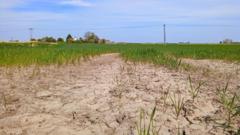
The UK is experiencing an exceptionally hot and dry summer, raising the prospect of a second consecutive drought only four months after last year's officially ended. England, Wales and eastern Scotland have been worst affected, having also seen a very dry spring, with central England recording its longest dry spell since 1995 and little rain forecast in the coming days. Despite the parched conditions, drought has developed more slowly than last year because a wet autumn and winter replenished aquifers, rivers and reservoirs, though experts warn such "flash droughts" may become more frequent and intense.
Some eastern and north-eastern English areas had received just 26% of expected summer rainfall by 15 July, while Wisley in Surrey has had 33 consecutive dry days; northern and western Scotland, by contrast, have seen above-average rainfall. High pressure is expected to persist for at least five more days, with only patchy coastal showers likely, and any weekend rain is expected to fall mainly on Scotland and Northern Ireland rather than the worst-hit south and east. Consequences are already visible: hosepipe bans affect millions in England, 87% of England's river catchments are below normal or exceptionally low, Wales has entered "prolonged dry weather status" in its worst-affected areas, and farmers report having to harvest early crops while struggling to water produce and care for livestock.
- UK risks a second consecutive summer drought after 2025's ended
- England and Wales hit hardest; little rain forecast this week
- Hosepipe bans, low river levels and early harvests already under way
New here? Start with this
The UK is going through an unusually hot, dry spell that has brought back fears of drought so soon after last year's ended. England, Wales and parts of eastern Scotland are hardest hit, following on from a dry spring, while northern and western Scotland have actually had more rain than usual. Water companies, government agencies and farmers are among those most directly affected, as low water levels and parched land start to disrupt supplies and agriculture.
This matters because droughts affect everyday life and the wider economy, from restrictions on how households use water to the ability of farmers to grow food and feed livestock. Scientists are also watching closely because this is the second such dry spell in as many years, prompting questions about whether these conditions, sometimes called "flash droughts", are becoming more common as the climate changes.
Understanding this story means knowing that water supply in the UK depends on rain replenishing rivers, reservoirs and underground water stores throughout the year, not just in summer. A wet autumn and winter had partly refilled these before this year's dry weather set in, which is one reason conditions have not deteriorated as fast as in the previous drought.