Entertainment news and discussion on TalkFuse.
Isabelle Huppert Vampire Film ‘The Blood Countess’ Was Cut Against Director’s Wishes, Ulrike Ottinger Tells Tokyo Event
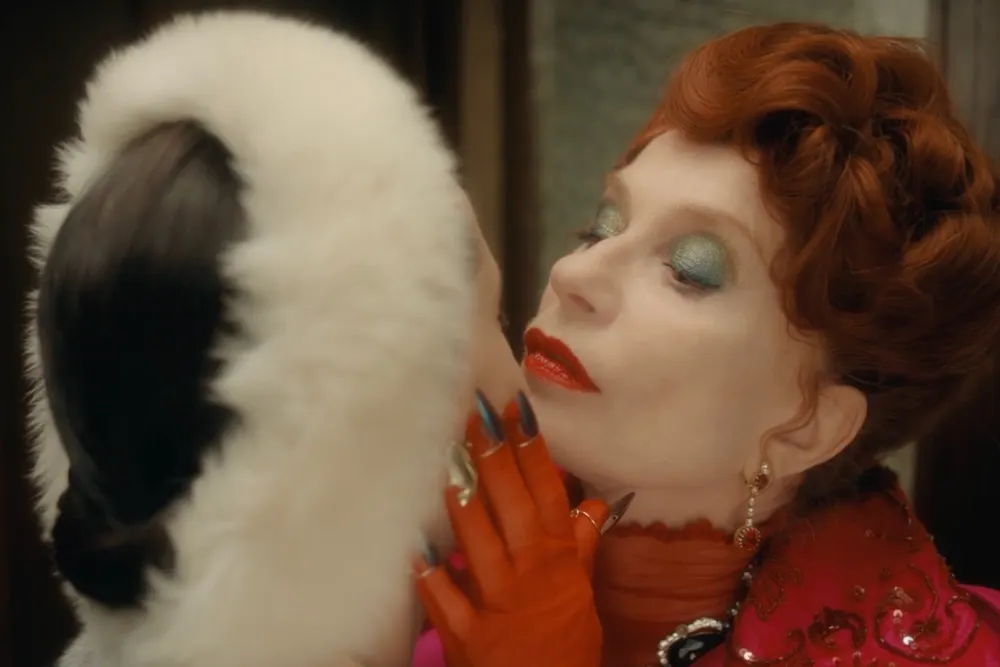
Ulrike Ottinger said her vampire film “The Blood Countess”, starring Isabelle Huppert, was shortened by up to 20 minutes against her wishes. She said the cuts disrupted the film’s rhythm, so she reworked the shorter version to restore its balance.
Ottinger described it as her most expensive film, saying she was given 30 shooting days instead of the 40 she wanted, with a crew of more than 100. She said extensive safety requirements have helped push the cost of making films from her earlier €2.5 million–€3 million range to at least €7 million–€8 million, and that she no longer produces her own films. The article also reports criticism from Berlinale Forum head Barbara Wurm of Germany’s funding system, which since 2025 has tied support to admissions and festival results, potentially disadvantaging smaller films and documentaries.
In short
- Ottinger says her film was cut by up to 20 minutes against her wishes.
- She reworked the shorter cut to restore its balance.
- She says production costs have risen to at least €7 million.
Steelman: both sides, in good faith
The strongest fair case each way — we don't pick a winner.
The case for
Producers and funders may argue that a shorter cut can make a costly film more viable for distribution and reach more viewers, while tighter schedules and safety requirements reflect obligations to crews and performers. Linking some public support to admissions or festival results may also be seen as a way to demonstrate cultural and public value and direct limited funds towards projects with an audience.
The case against
A director may reasonably argue that imposed cuts can damage a film’s rhythm and artistic intent, especially when the shortened version was not their choice. Critics may also contend that tight schedules and rising costs constrain creative work, while tying funding to admissions or festival results risks favouring established, commercially appealing films over smaller projects and documentaries with less immediate visibility.
Explained simply
Ulrike Ottinger is a German film-maker whose work includes independent and experimental cinema. Isabelle Huppert, a French actor, stars in her vampire film, The Blood Countess.
The film’s production reflects wider pressures on European film-makers: budgets, shooting schedules and safety requirements can affect how a film is made and edited. Germany’s public funding rules are also under debate, with some film professionals concerned that linking support to audience numbers and festival results may make it harder for smaller films and documentaries to secure funding.