Greens for Palestine-backed candidates win places on nearly every contested party committee
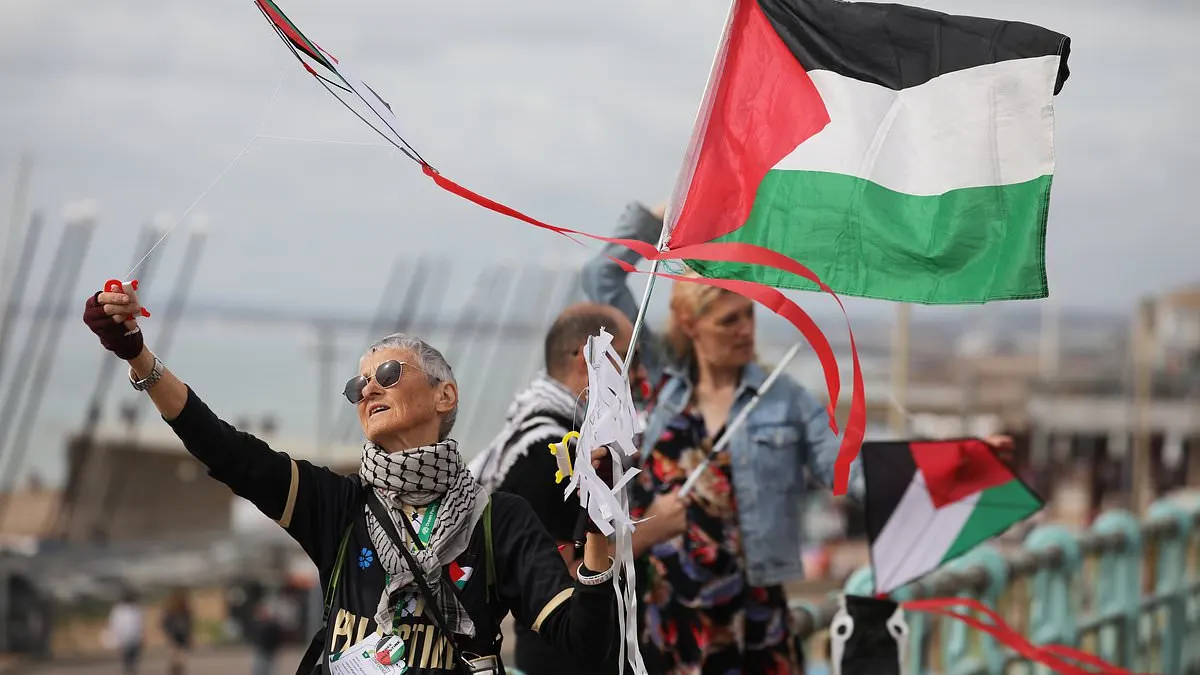
Greens for Palestine-backed candidates won places on nearly every Green Party committee they contested after the group urged members to support its recommended slate at the party conference in Brighton. Critics said the results showed growing factional influence and raised concerns about antisemitism; the group said its campaigning was ordinary party activity and that the outcome reflected members’ efforts.
The article says more than half of the group’s recommended candidates secured committee positions, with the campaign declaring its aim to build an “Anti-Zionist Green Party”. A Jewish Green member said the votes represented less than 0.5 per cent of party membership, while former deputy leader Shahrar Ali attributed the outcome to increased factionalism. Shadow home secretary Chris Philp criticised party leader Zack Polanski’s response to the issue; the group rejected claims of a conspiracy.
- Greens for Palestine’s recommended candidates won committee seats across the areas they contested.
- Critics raised concerns about factionalism and antisemitism.
- The group said its campaign was routine and reflected members’ support.
New here? Start with this
The Greens for Palestine is an organised group of Green Party members that campaigns on Palestinian rights issues. At the party's annual conference in Brighton, candidates endorsed by the group won positions on most of the internal party committees they contested, with the group stating it aims to build an "Anti-Zionist Green Party".
Party committees shape the organisation's policies and direction, so these internal election results have raised questions about growing factional influence within the party. Some members have expressed concerns about antisemitism and what the group's success signals, whilst the group argues it is simply engaging in normal party activity and reflecting members' interests.
The outcome has prompted criticism from political figures outside the party, including about how party leadership has responded. It also highlights how organised groups can significantly influence party direction even when the number of votes cast represents less than half a per cent of overall party membership.
Both sides, in good faith
The strongest fair case each way — we don't pick a winner.
The case for
The systematic coordination by Greens for Palestine to place their endorsed candidates across nearly every contested committee raises legitimate concerns about factional capture of party governance that may not reflect broader membership intent. Given the group's explicit aim to build an 'Anti-Zionist Green Party' and historical concerns about antisemitism within pro-Palestinian advocacy spaces, party leadership should carefully examine whether such organised slate-voting adequately protects dissenting voices and whether safeguards around discrimination are sufficient.
The case against
Organised faction members campaigning for ideologically-aligned candidates is standard democratic activity within political parties, and Greens for Palestine's success simply reflects genuine member support for their endorsed candidates. Members have every right to organise around shared political commitments, and such ordinary factional activity should not be framed as improper capture merely because one position proved popular, nor should passionate pro-Palestinian advocacy be conflated with antisemitism without clear evidence.
Art Culture Elections Politics World
Read the full article at the source →
Originally published by Daily Mail as “‘Islamo-Leftist’ take over of Green Party ‘well under way’ after anti-Zionist backed candidates voted onto nearly every committee”.