Island hosts inter-island environment summit
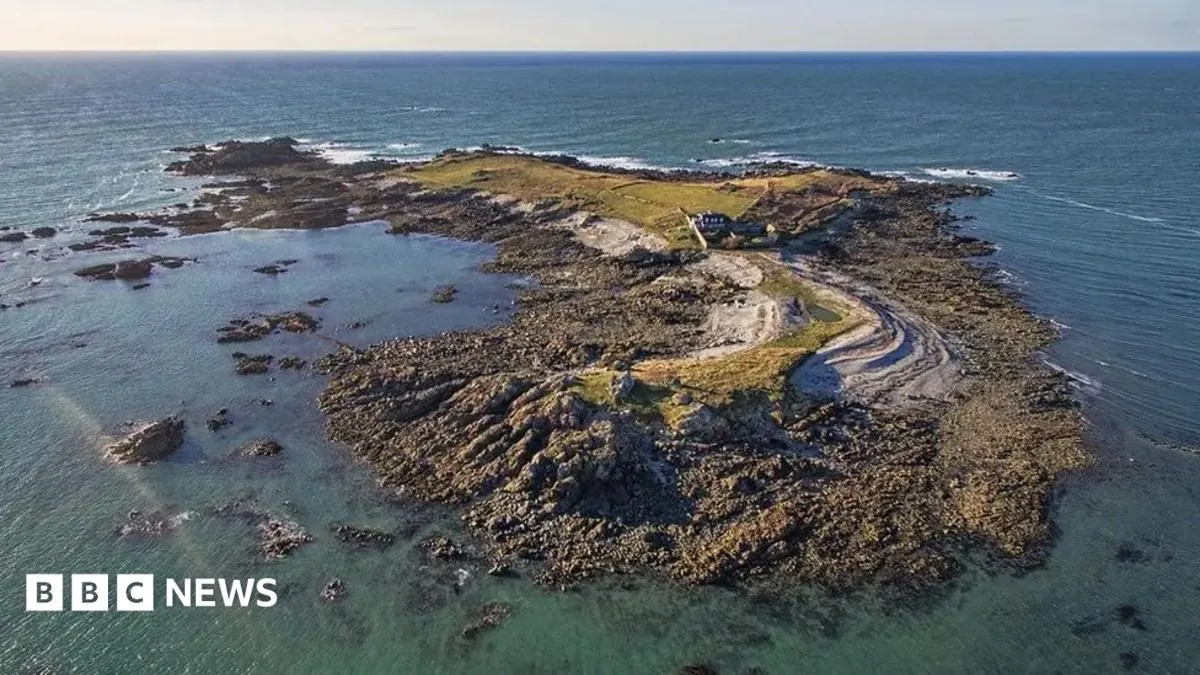
Environmental and conservation experts from the British Isles and France met in Guernsey for the 26th Inter-Island Environment Meeting, an annual gathering coordinated by the Guernsey Nature Commission. This year's event, themed "Nature for the Next Generation", brought together delegates to develop joint projects protecting natural environments, with discussions covering seabird restoration, woodland resilience, butterfly monitoring and citizen science initiatives.
A significant addition was the inclusion of Sixth Form students, who presented environmental issues and will contribute to workshops shaping Guernsey's upcoming Marine Spatial Plan. Attendees highlighted the collaborative approach; Sebastian Dufour from the Alderney Wildlife Trust noted that delegates from different islands benefit from sharing "successes and failures" whilst addressing environmental challenges common across island communities.
- Environmental summit in Guernsey brings together experts from British Isles and France.
- Young people included to help shape marine protection policies and future conservation.
- Islands collaborate to address shared environmental challenges and share solutions.
New here? Start with this
The Inter-Island Environment Meeting is an annual gathering of environmental and conservation experts from islands across the British Isles and France. The meetings have been held for 26 years and rotate between different island host locations.
Delegates come together to develop joint projects aimed at protecting natural environments on their home islands. Common areas of focus include seabird conservation, woodland management, butterfly populations, and involving local communities in environmental monitoring.
These meetings are significant because island communities often face similar environmental challenges despite being geographically separated. By sharing their approaches and experiences, delegates can learn what strategies have worked elsewhere and which have not, making their own conservation efforts more effective.