World news and discussion on TalkFuse.
Islanders asked to ‘track’ not ‘trample’ Asian hornets
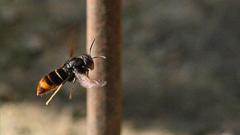
Guernsey's authorities are urging islanders to "track, not trample" Asian hornets, encouraging residents to report sightings rather than kill the insects themselves, in a bid to safeguard public health and the island's biodiversity. The invasive, non-native species first arrived in Guernsey in 2017 after spreading across Europe from southern France, where it is believed to have arrived in 2004 via a consignment of pottery from Asia. Officials say the hornets pose a serious threat to local wildlife, particularly honeybees, which make up around 39% of their diet, so keeping populations low by locating and destroying nests early is a key priority.
Under the States' "Track Don't Trample" strategy, people who spot a hornet are asked to photograph it and note the direction it flies in before submitting the details, helping experts trace hornets back to their nests. So far this year 205 queens have been caught and nine primary nests destroyed across Guernsey and Herm, with officials crediting volunteers as central to the effort. Islanders are warned not to attempt nest removal themselves, since nests can grow rapidly during August and September to house up to 2,000 hornets, and people are advised to check hedges and vegetation carefully for signs of activity before cutting them back.
In short
- Guernsey urges people to report, not kill, Asian hornets
- 205 queens caught, nine nests destroyed so far this year
- Nests can hold 2,000 hornets by late summer, experts warn
Steelman: both sides, in good faith
The strongest fair case each way — we don't pick a winner.
The case for
Expert-coordinated management through reporting is far more effective and safer than scattered individual attempts. Nests grow rapidly to house thousands of aggressive insects, and trained professionals can systematically locate and destroy them before reaching dangerous sizes, whilst protecting residents from injury. The strategy has proven successful with 205 queens and 9 nests destroyed this year, and prioritises the protection of honeybees and local biodiversity which these invasive species devastate.
The case against
Residents should be trained and encouraged to eliminate hornets they encounter rather than passively reporting them, as swift distributed action across the community may effectively reduce populations faster than centralised coordination. People have legitimate concerns about their families' safety and property, and preferring direct control over waiting for official response is rational self-protection. Individual empowerment transforms citizens from passive observers into active defenders of their local ecosystem, potentially yielding speedier collective results than relying on limited professional resources.
Explained simply
Asian hornets are large invasive insects originally from Asia that are not native to the British Isles. They prey on honeybees, which form around 39 per cent of their diet, and this feeding behaviour poses a threat to local bee populations and the island's wider biodiversity. Authorities on Guernsey consider their presence a significant conservation concern.
The insects first reached Guernsey in 2017, having spread across Europe since 2004 when the species is believed to have arrived in southern France via a pottery shipment from Asia. From there, the population has gradually extended northwards towards the Channel Islands, where it became established.
Management efforts focus on finding and destroying nests before they grow too large, as colonies expand rapidly during the summer and autumn months to house up to 2,000 insects. Authorities and volunteers work together on this ongoing task, with early detection of nests important for controlling numbers.