World news and discussion on TalkFuse.
Israel Is Destroying the Machinery South Lebanon Needs to Rebuild
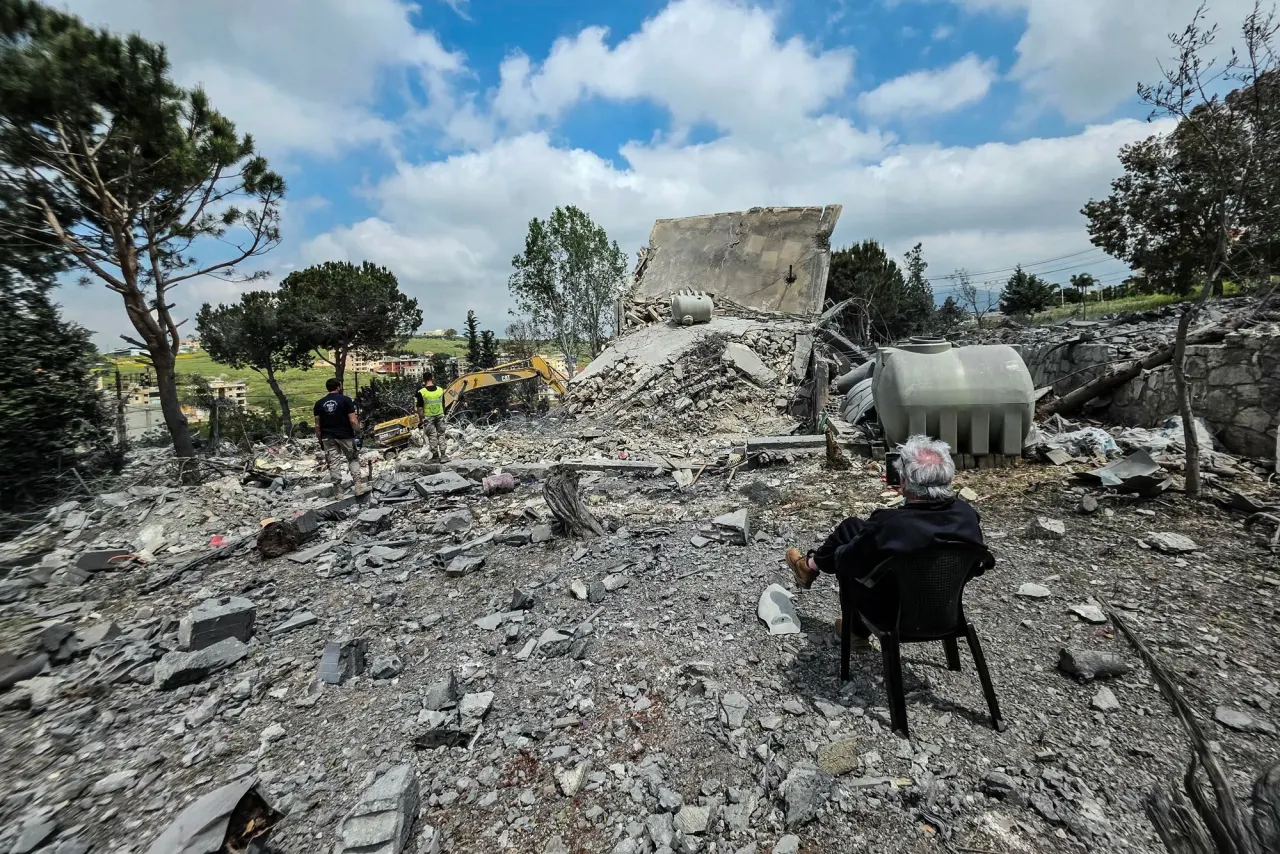
Israeli attacks have destroyed construction machinery and other infrastructure that southern Lebanon needs to clear rubble and rebuild, while the risk of further strikes has made repairs harder. Human Rights Watch says four attacks after the November 2024 ceasefire appear to be war crimes; the losses also threaten residents’ ability to return and restore essential services.
The attacks, between August and October 2025, hit machinery showrooms and maintenance facilities, as well as a cement and asphalt factory, destroying more than 360 pieces of equipment, according to HRW. Israel’s military said the supplies supported Hezbollah’s reconstruction, but HRW found no evidence of military targets at or near the sites. Separately, damage and access restrictions have hampered water repairs, and local officials said about 6,500 displaced families could not return to 12 villages inside the Israeli-declared “Yellow Line”.
In short
- Strikes destroyed more than 360 pieces of construction equipment.
- HRW said the attacks appear to be war crimes.
- Damage and access limits are obstructing rebuilding and water repairs.
Steelman: both sides, in good faith
The strongest fair case each way — we don't pick a winner.
The case for
Israel’s strongest case is that equipment and industrial facilities in southern Lebanon may support Hezbollah’s efforts to restore military infrastructure, so disrupting them could be necessary to prevent renewed attacks and uphold the ceasefire’s security aims. If the military had reliable evidence of such a role, it could argue that striking these sites was justified, provided the expected military advantage outweighed harm to civilians and civilian recovery.
The case against
The case against the attacks is that construction machinery, factories and repair facilities are ordinarily civilian resources essential to clearing rubble, restoring water and allowing displaced residents to return. HRW reported no evidence of military targets at or near the sites, and the scale of the losses and risk of further strikes may impede civilian recovery; if the attacks lacked a concrete military objective or caused disproportionate civilian harm, they would be unlawful and could constitute war crimes.