Israeli combat medicine slashes IDF deaths after Oct 7, draws US military interest
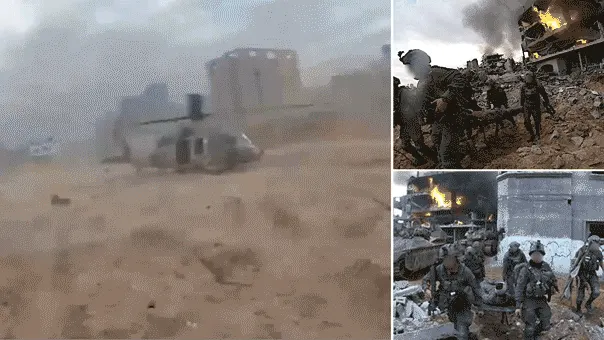
The Israeli military says advances in battlefield medicine have helped reduce the share of wounded soldiers who die, while also attracting interest from the US military. The changes were introduced during the war that followed Hamas’s 7 October 2023 attack and include faster access to treatment and evacuation.
An IDF medical specialist said advanced life support can now reach casualties immediately or within four minutes, compared with 15 to 20 minutes during the 2006 war in Lebanon. The military has also expanded the use of doctors in combat units, helicopters, plasma and blood products at the point of injury, and shared patient data; IDF figures put the case mortality rate at 7.1% in 2023, down from 15% in 2006.
- IDF says battlefield care reaches casualties faster.
- Its reported case mortality rate fell to 7.1% in 2023.
- Israeli medical methods are drawing US military interest.
New here? Start with this
Military medicine on the battlefield aims to treat injured soldiers quickly and get them to hospital. The time between injury and treatment can affect whether a wounded person survives, particularly when they have severe bleeding or other life-threatening injuries.
The Israel Defense Forces (IDF) is Israel’s military. Its combat units include medical staff, and its evacuation system moves casualties from the point of injury to further care. The Hamas-led attack on Israel on 7 October 2023 was followed by a war in Gaza, during which the IDF used and expanded these medical arrangements.
How militaries treat and evacuate wounded personnel matters for the survival of those injured and the care available to them. The IDF’s experience has also drawn interest from the US military, which may be relevant to how other forces organise battlefield medical care.
Both sides, in good faith
The strongest fair case each way — we don't pick a winner.
The case for
Supporters argue that faster access to advanced care, blood products and evacuation has helped more wounded soldiers survive, and that the reported fall in case mortality from 15% in 2006 to 7.1% in 2023 shows the value of investing in battlefield medicine. They see sharing these practices with the US military as a way to improve care for service members facing similar risks.
The case against
A cautious view is that the figures alone do not establish how much the medical changes caused the decline, since casualty severity, battlefield conditions and how cases are counted may differ between wars. Critics may also question whether military investment and international adoption should be treated as straightforward progress without examining the wider costs and limits of applying these methods in combat.