Eisenkot says Netanyahu is undermining Israel’s election result
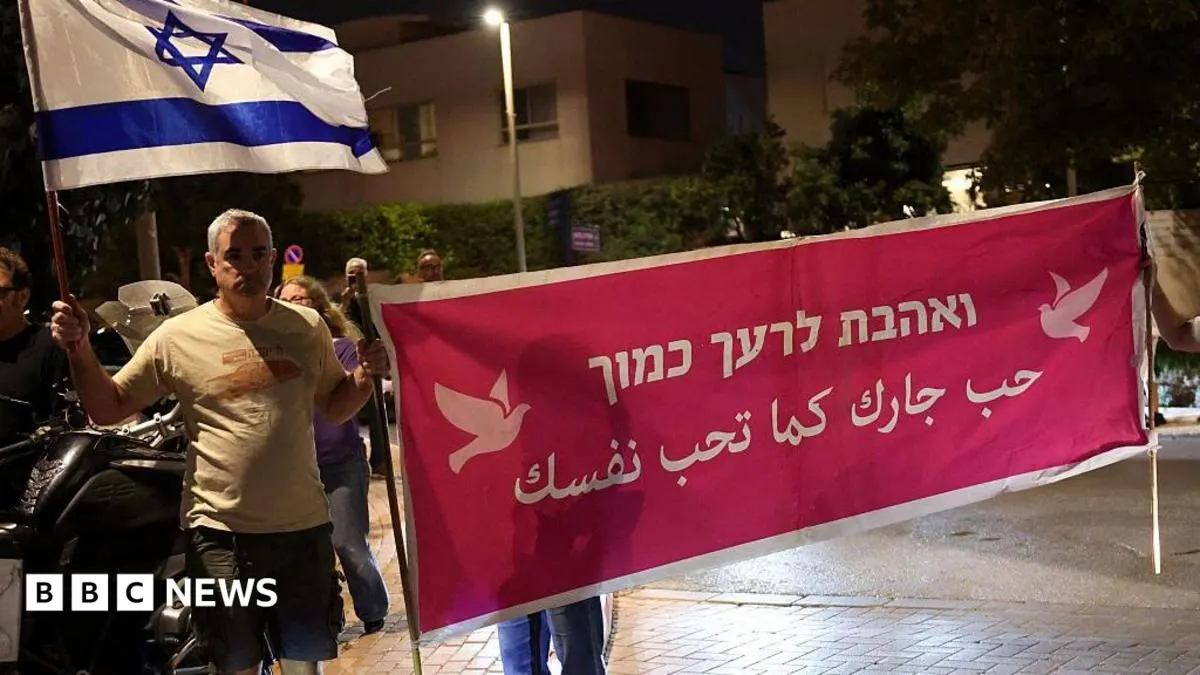
Benjamin Netanyahu’s Likud party accused Arab-led parties of benefiting from foreign interference after election results left his coalition without a parliamentary majority. Opposition leader Gadi Eisenkot and Arab party leaders say Netanyahu is using the allegations to undermine the result and make cooperation with the Arab parties politically harder.
The Arab-led Joint List and Ra’am won a record 19 of the Knesset’s 120 seats, while Netanyahu’s bloc secured 53 and Eisenkot’s 48. Shin Bet is investigating suspicions of illegal funding from Qatar and Turkey, which Qatar denies; the agency said the inquiry does not implicate the Arab community, and the election committee said there was no basis to allege systematic violations.
In short
- Arab-led parties won a record 19 Knesset seats.
- Neither main bloc secured a parliamentary majority.
- Netanyahu’s foreign-interference claims are under investigation and disputed.
Steelman: both sides, in good faith
The strongest fair case each way — we don't pick a winner.
The case for
Netanyahu’s supporters can argue that allegations of foreign funding deserve scrutiny, especially when an election has produced a close and consequential result. Investigating possible outside influence helps protect voters’ confidence and the independence of Israel’s democratic institutions, provided claims are assessed by the proper authorities.
The case against
Eisenkot and Arab party leaders can argue that public accusations without established evidence risk casting doubt on a valid election and stigmatising Arab voters. Since the election committee found no basis to allege systematic violations and Shin Bet said the inquiry does not implicate the Arab community, they may see the claims as making legitimate parliamentary cooperation harder.
Explained simply
Israel’s parliament, the Knesset, has 120 seats, and a government needs support from a majority of its members. No single party usually wins enough seats to govern alone, so parties negotiate to form coalitions.
The main figures are Benjamin Netanyahu, leader of Likud, and opposition leader Gadi Eisenkot. Arab-led parties, including the Joint List and Ra’am, represent many Arab citizens of Israel and can hold seats that affect which coalitions are possible.
Allegations of foreign interference are being investigated by Shin Bet, Israel’s domestic security agency. The dispute matters because claims about the election can affect whether parties work together and whether the result is accepted as the basis for forming a government.
Art Culture Elections Middle East Politics World
Read the full article at the source →
Originally published by BBC World as “Israeli opposition accuses Netanyahu of trying to ‘delegitimise’ election”.